Museum of Echoes
A recursive journey into the entropy of creativity.
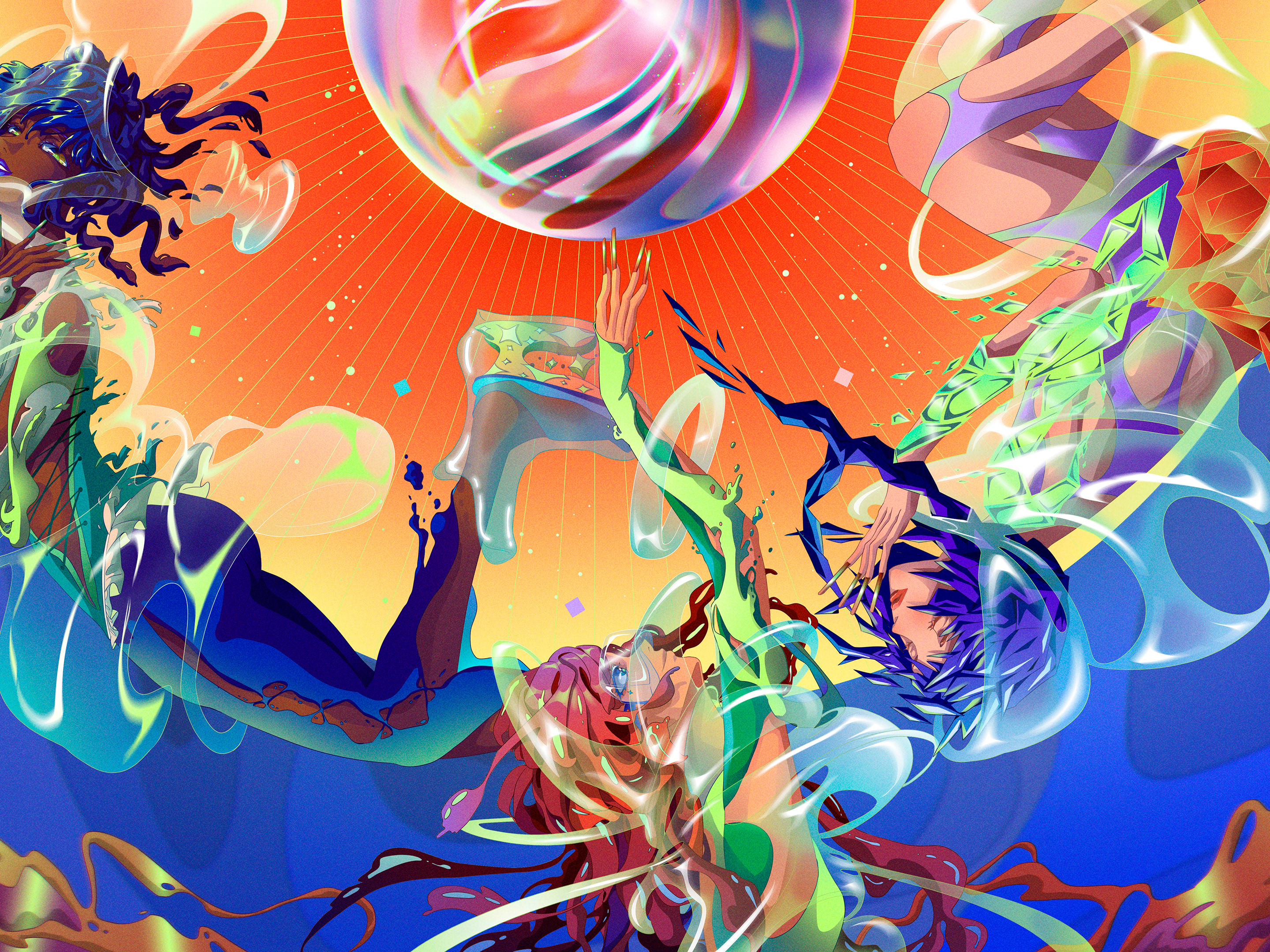
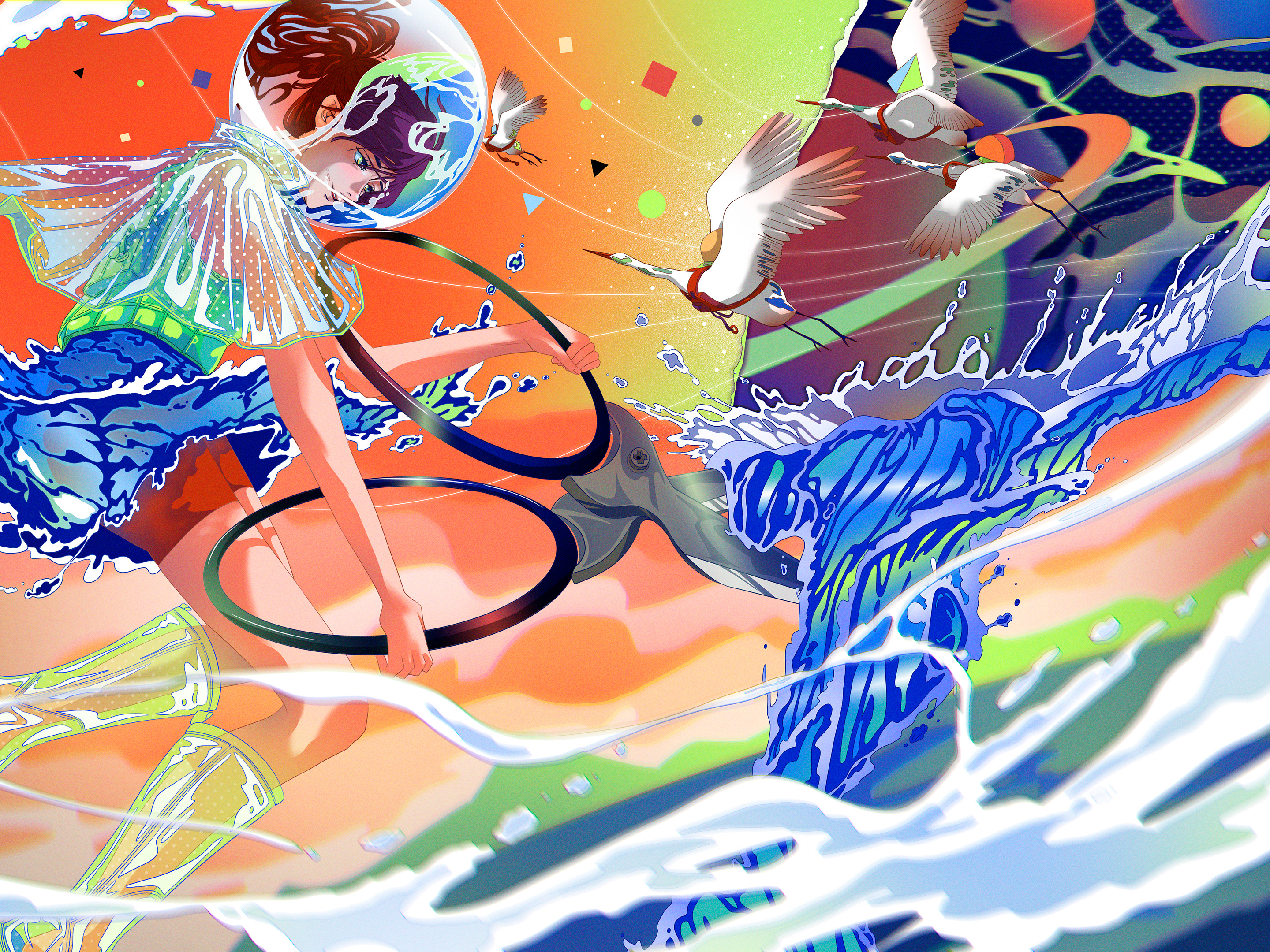
Echo Museum is a short film about generation, attribution, and the closed loop of creative production.
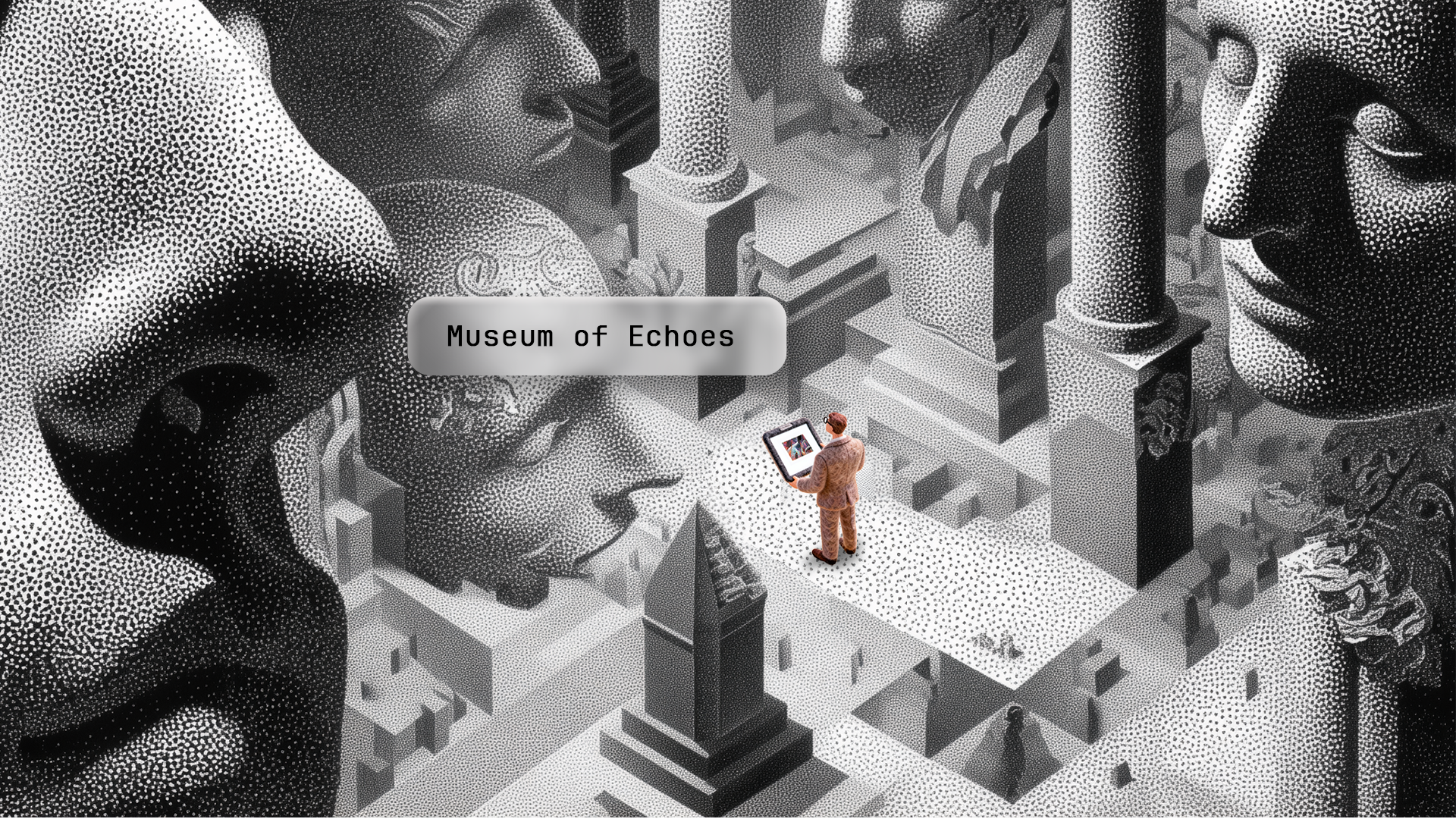
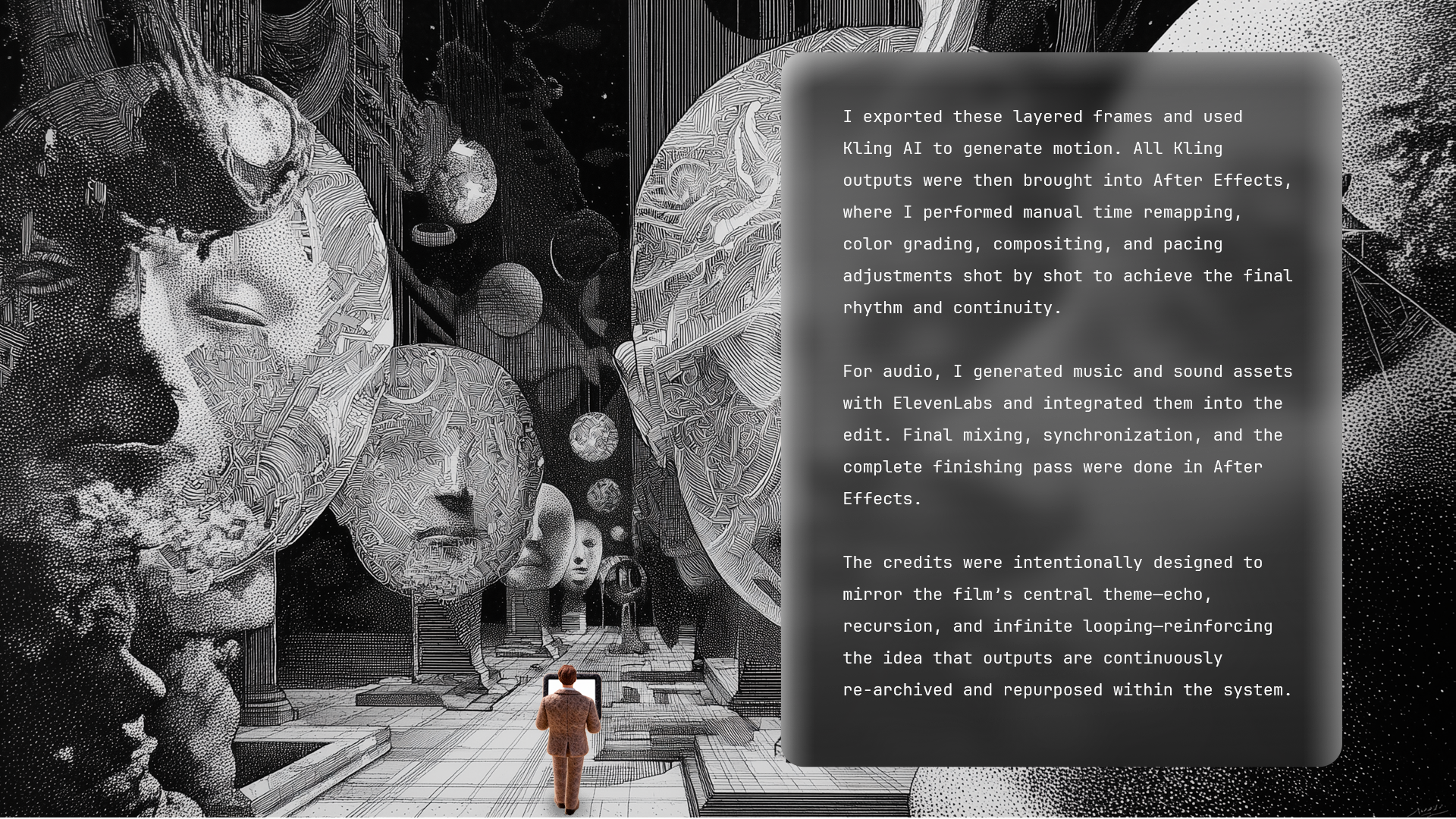
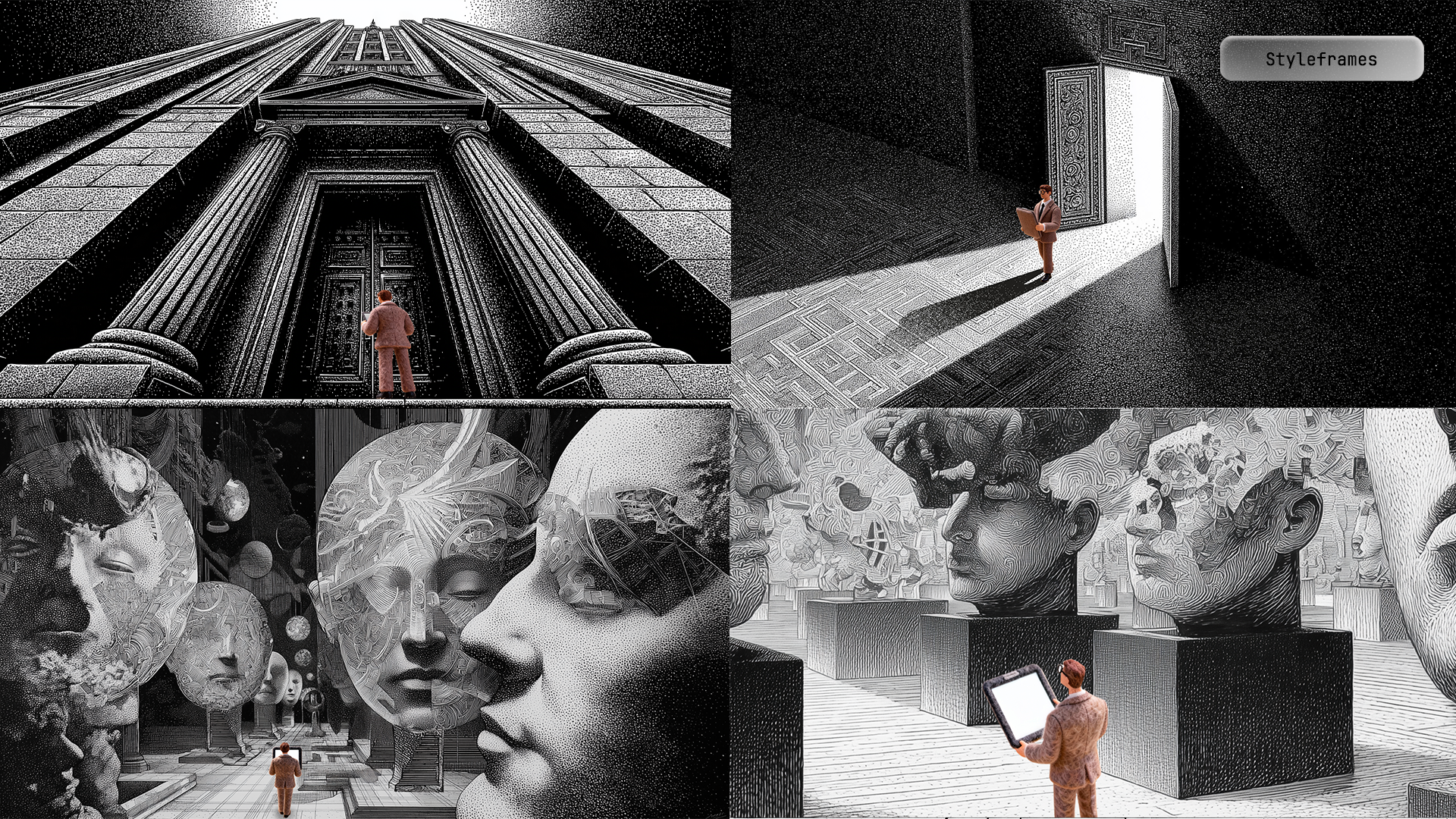
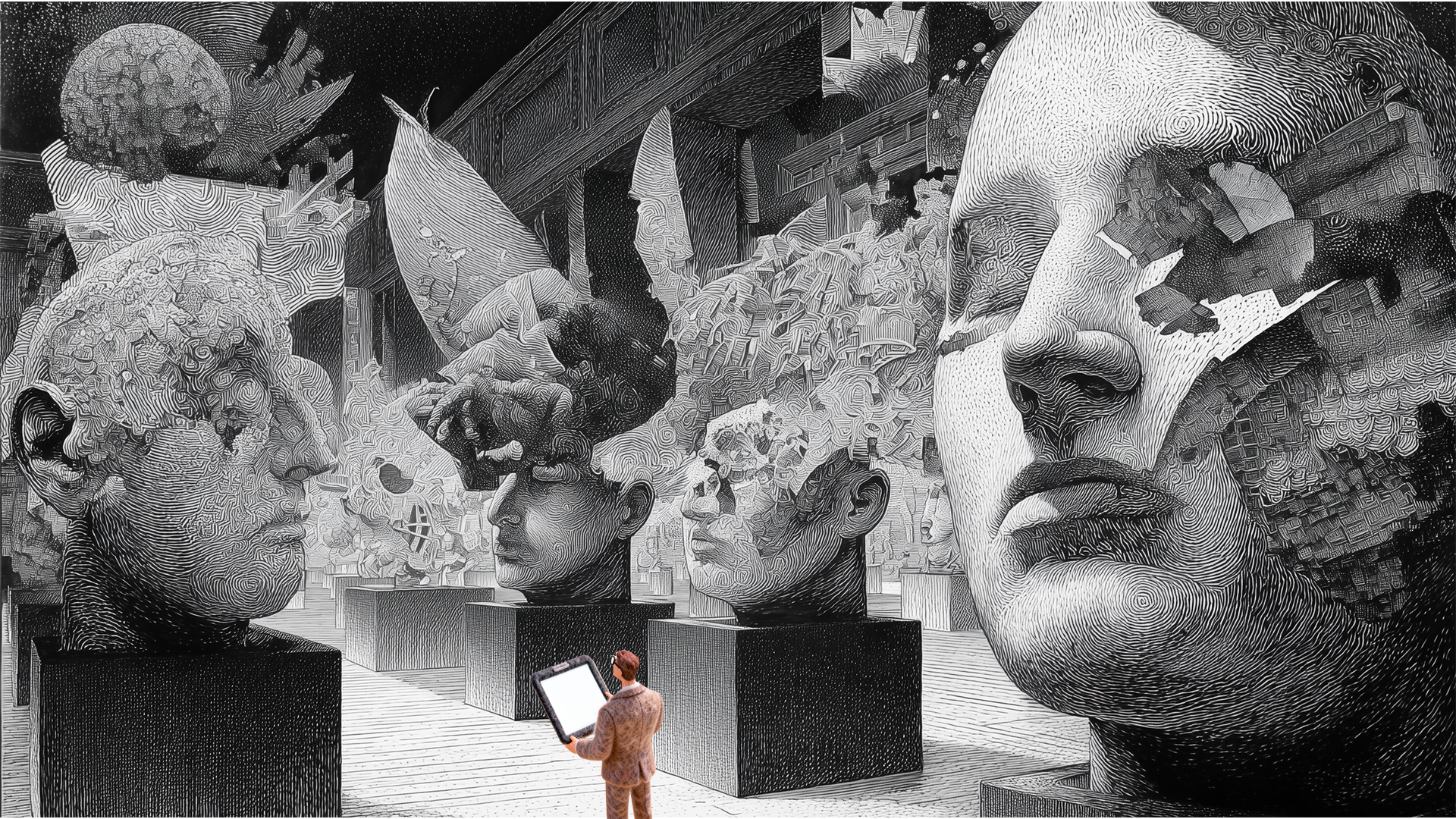
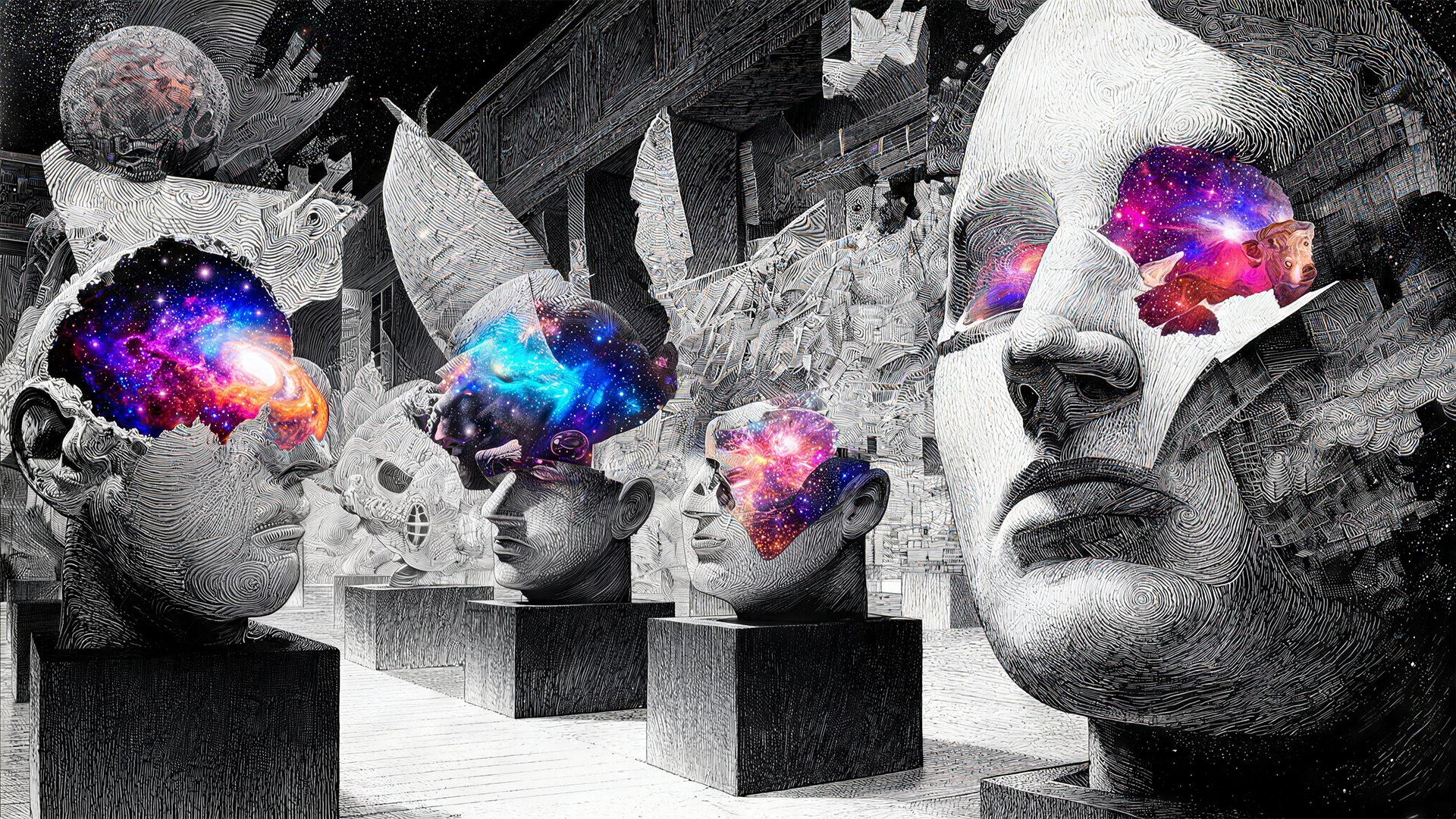
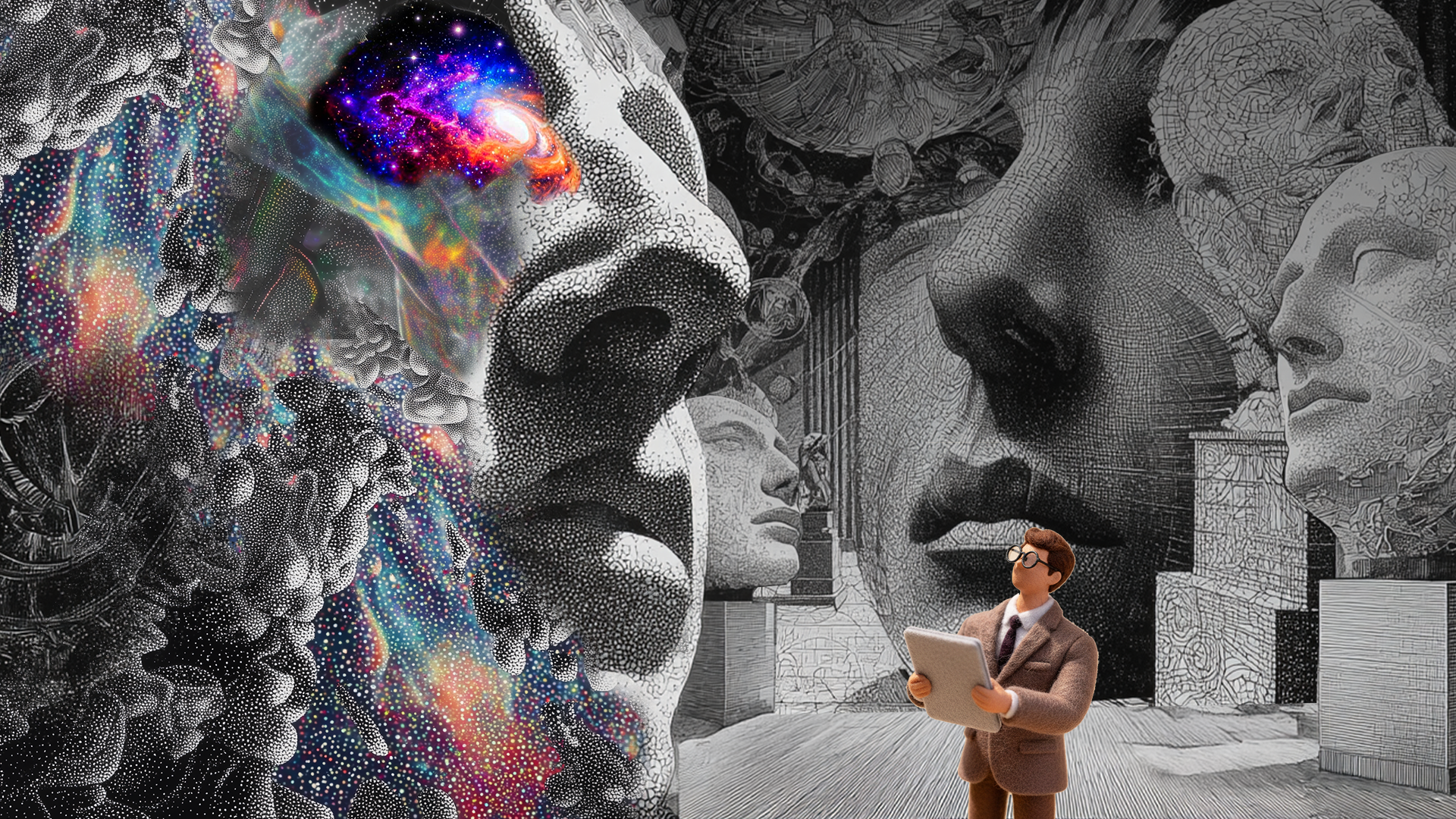
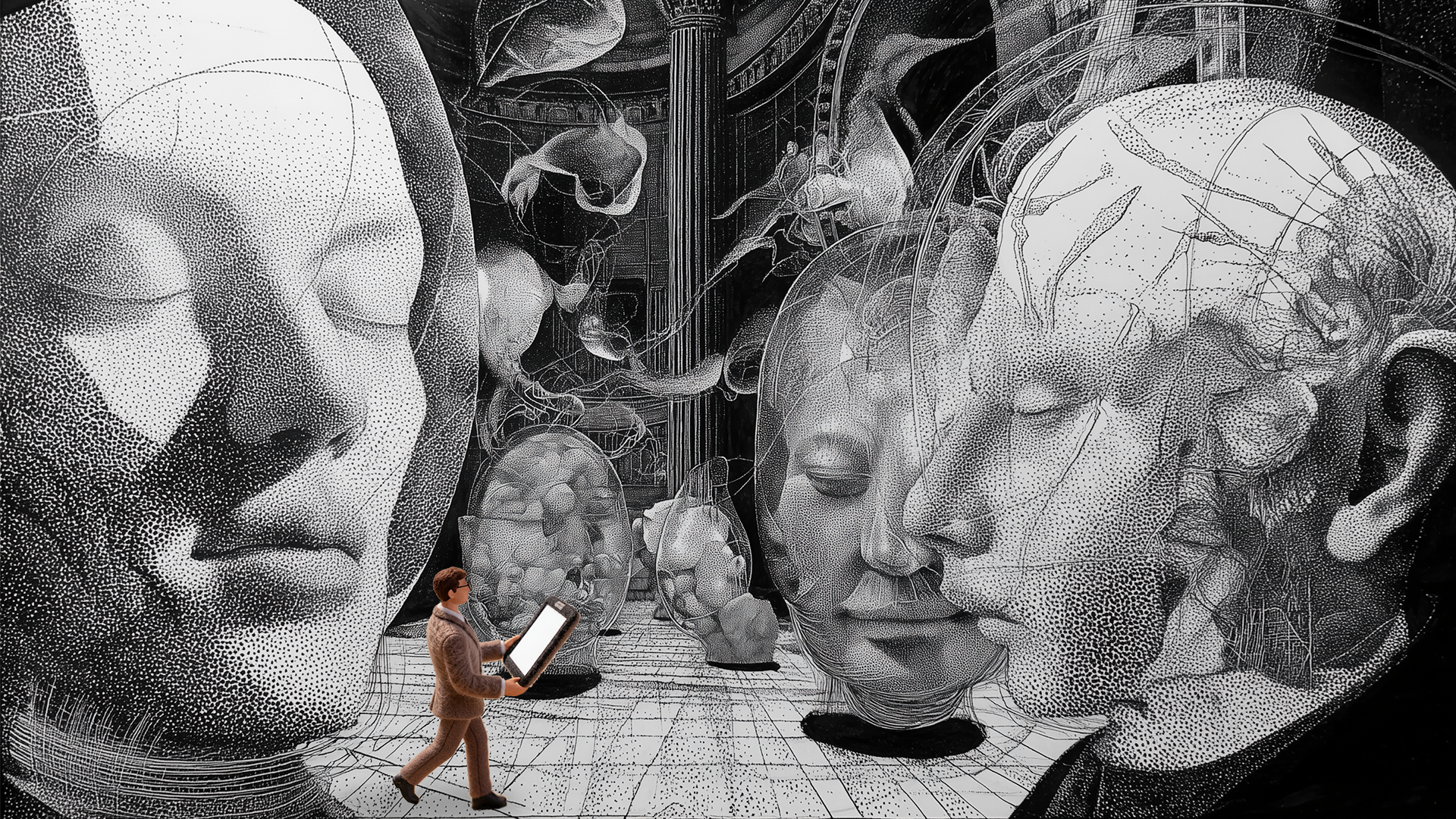
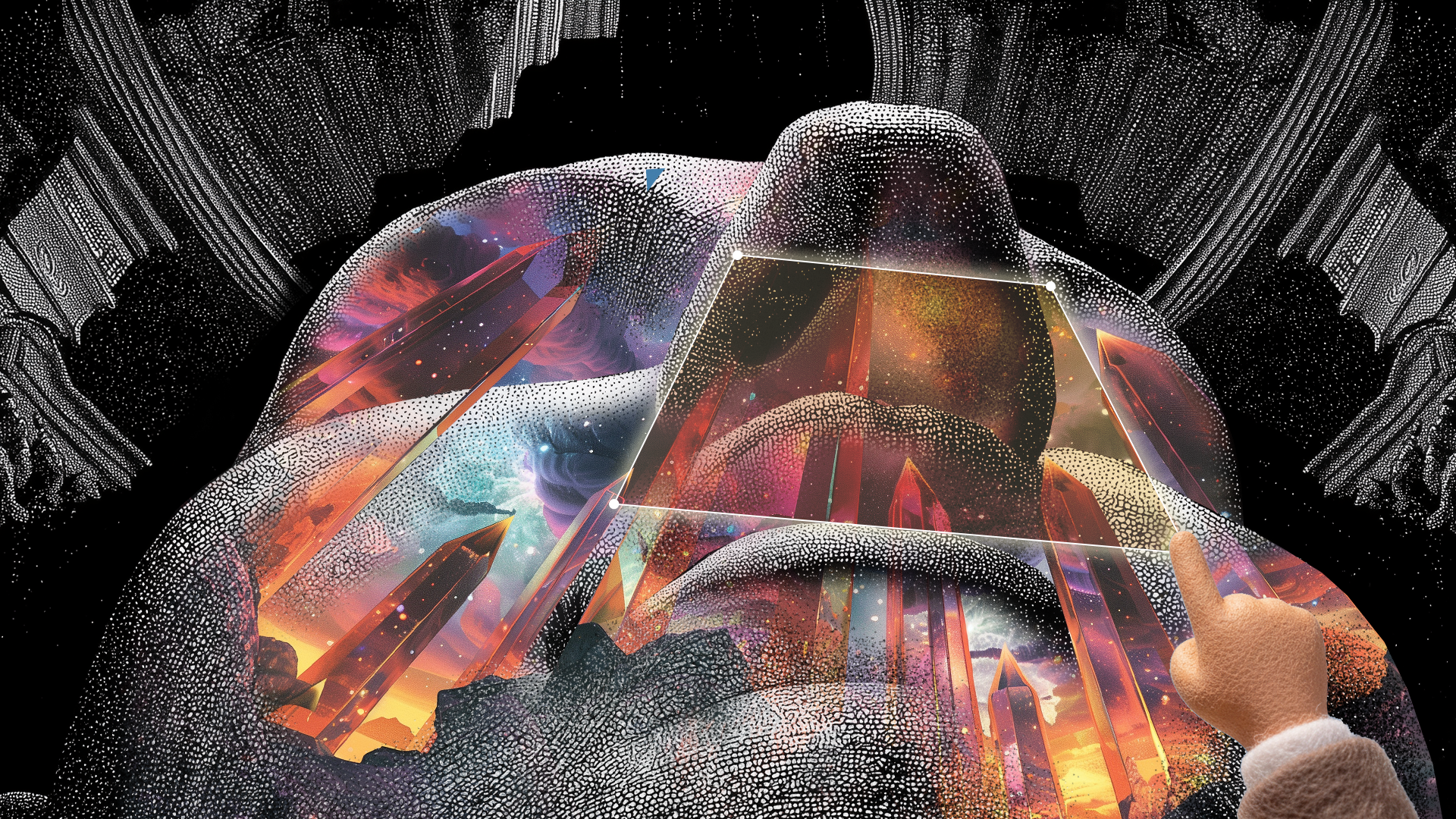
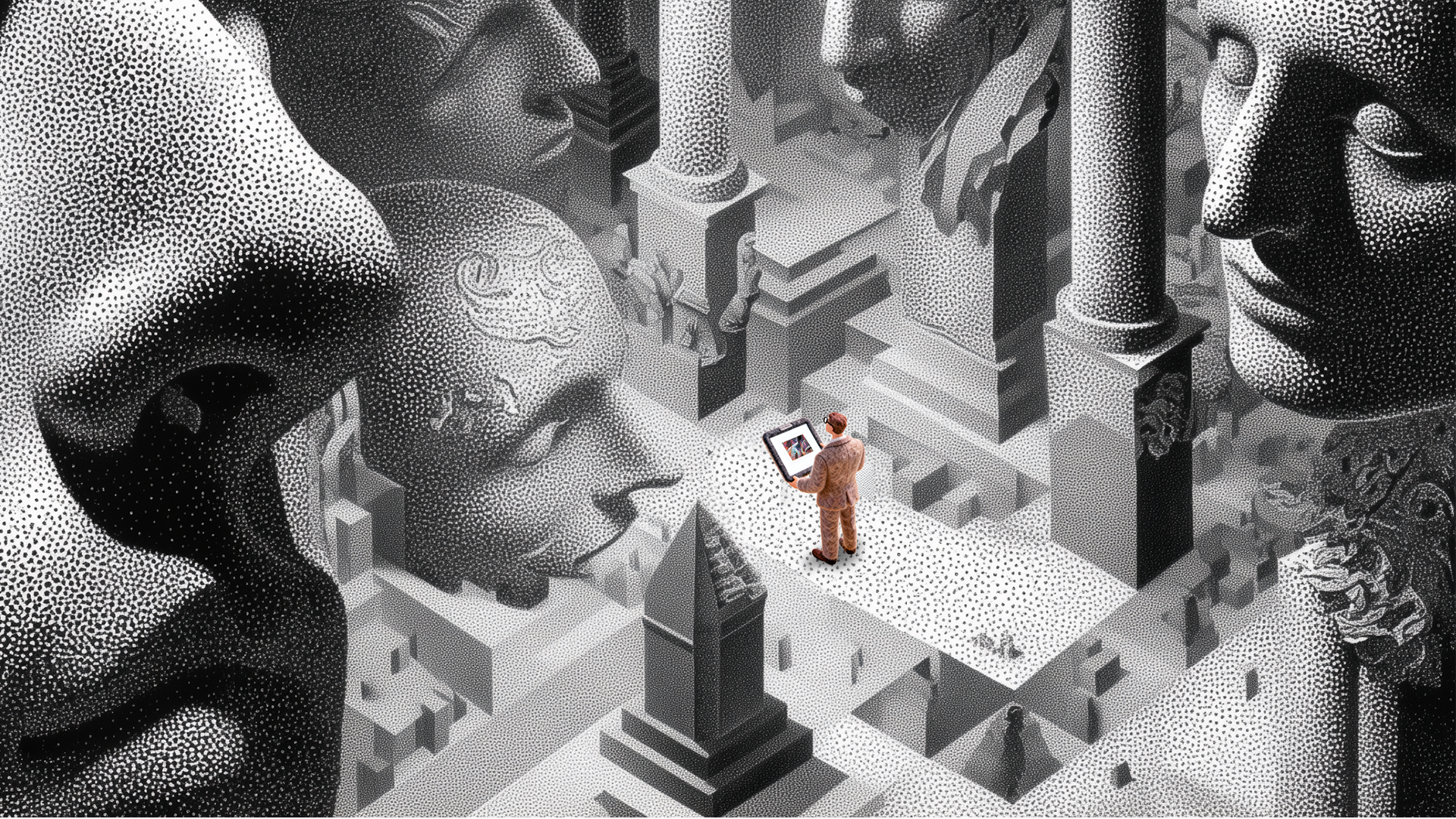
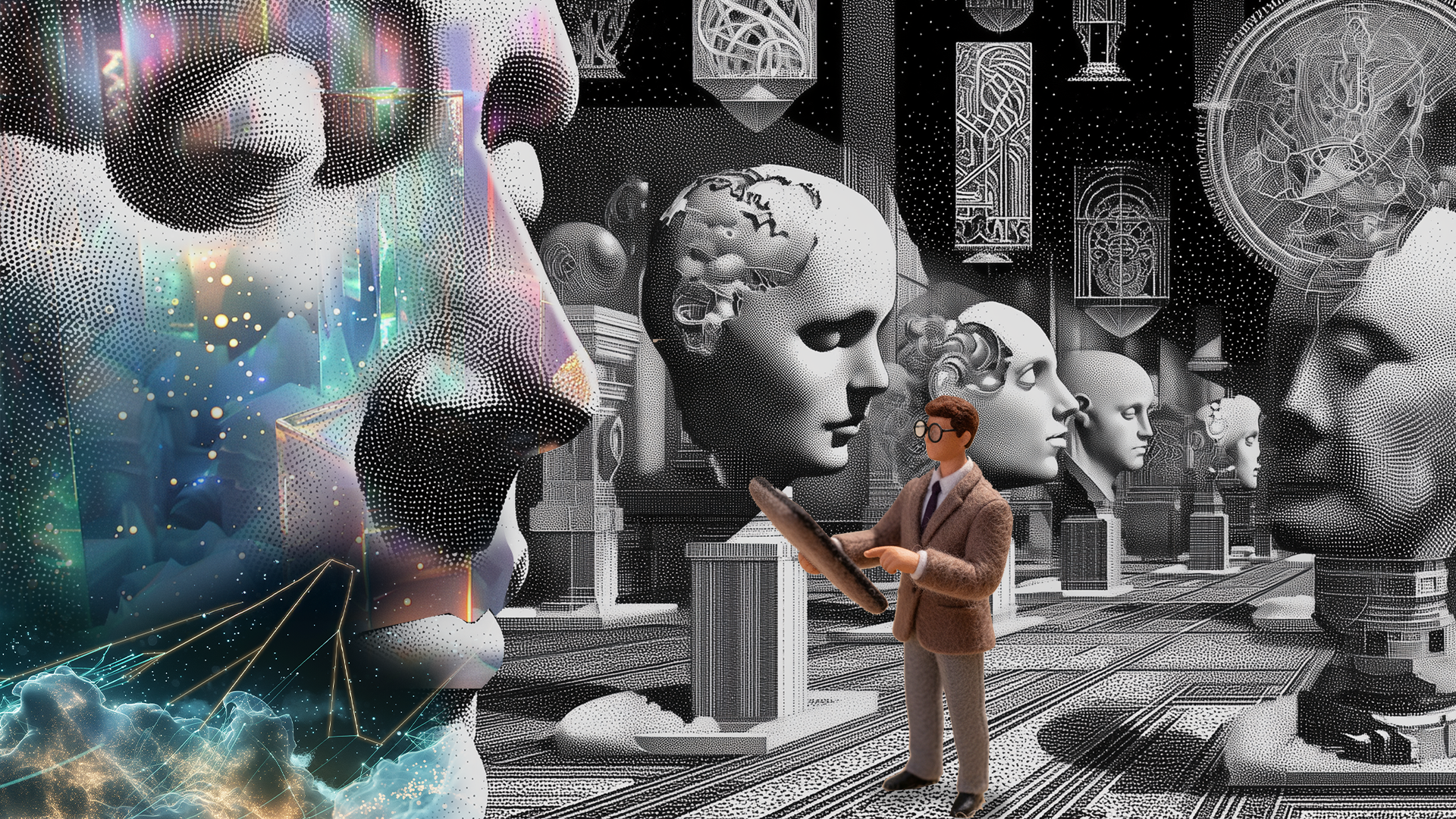
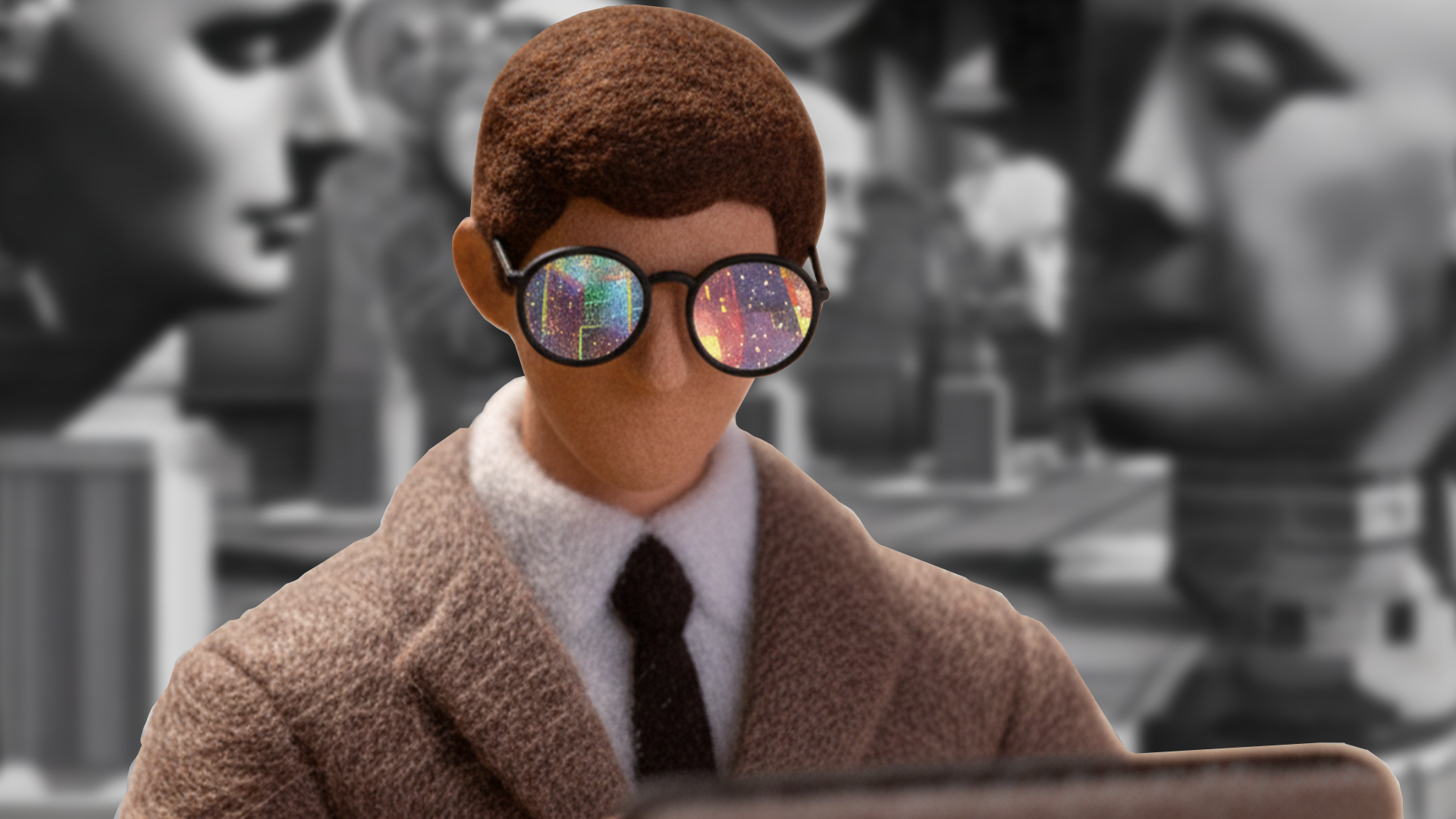
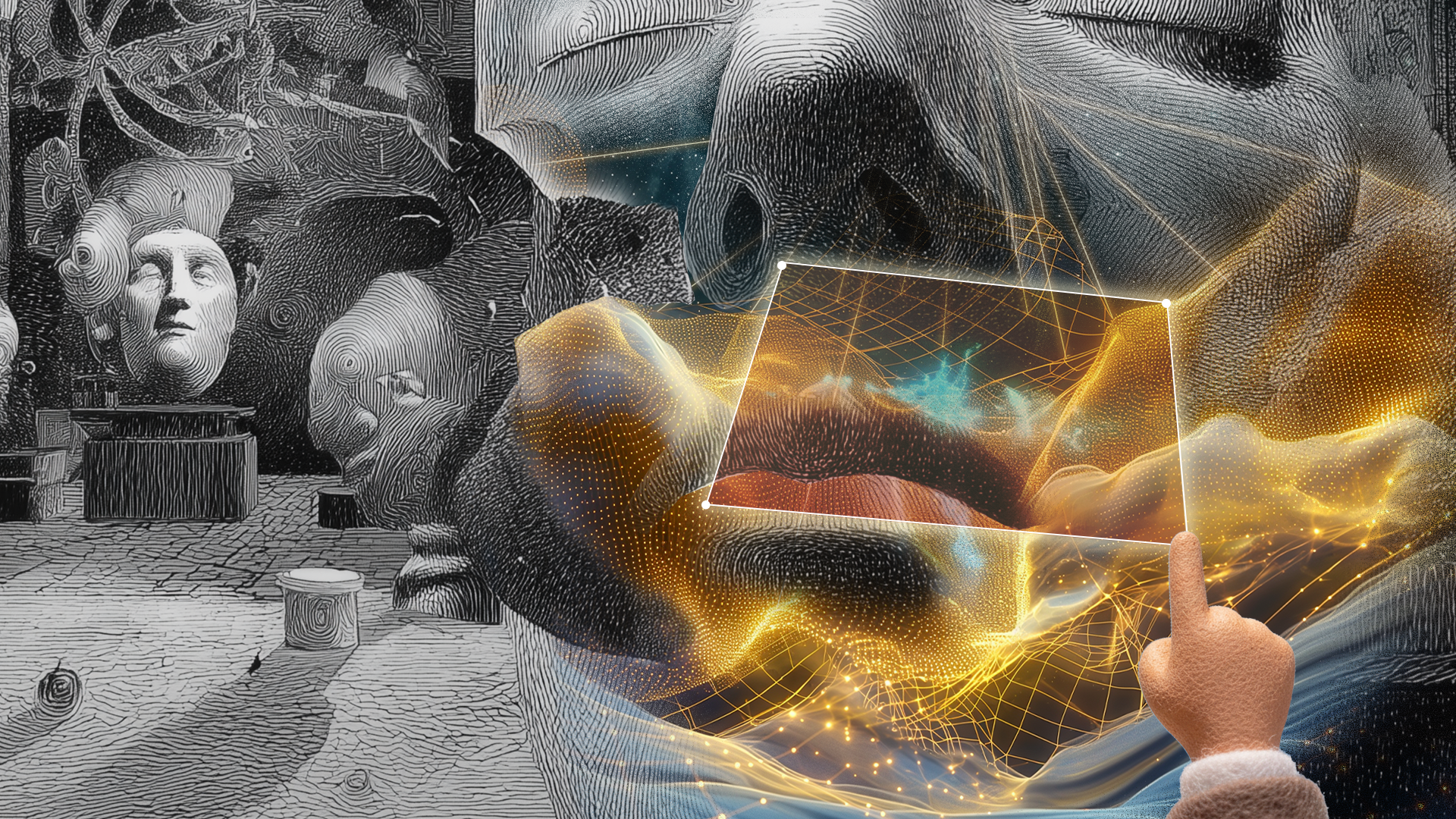
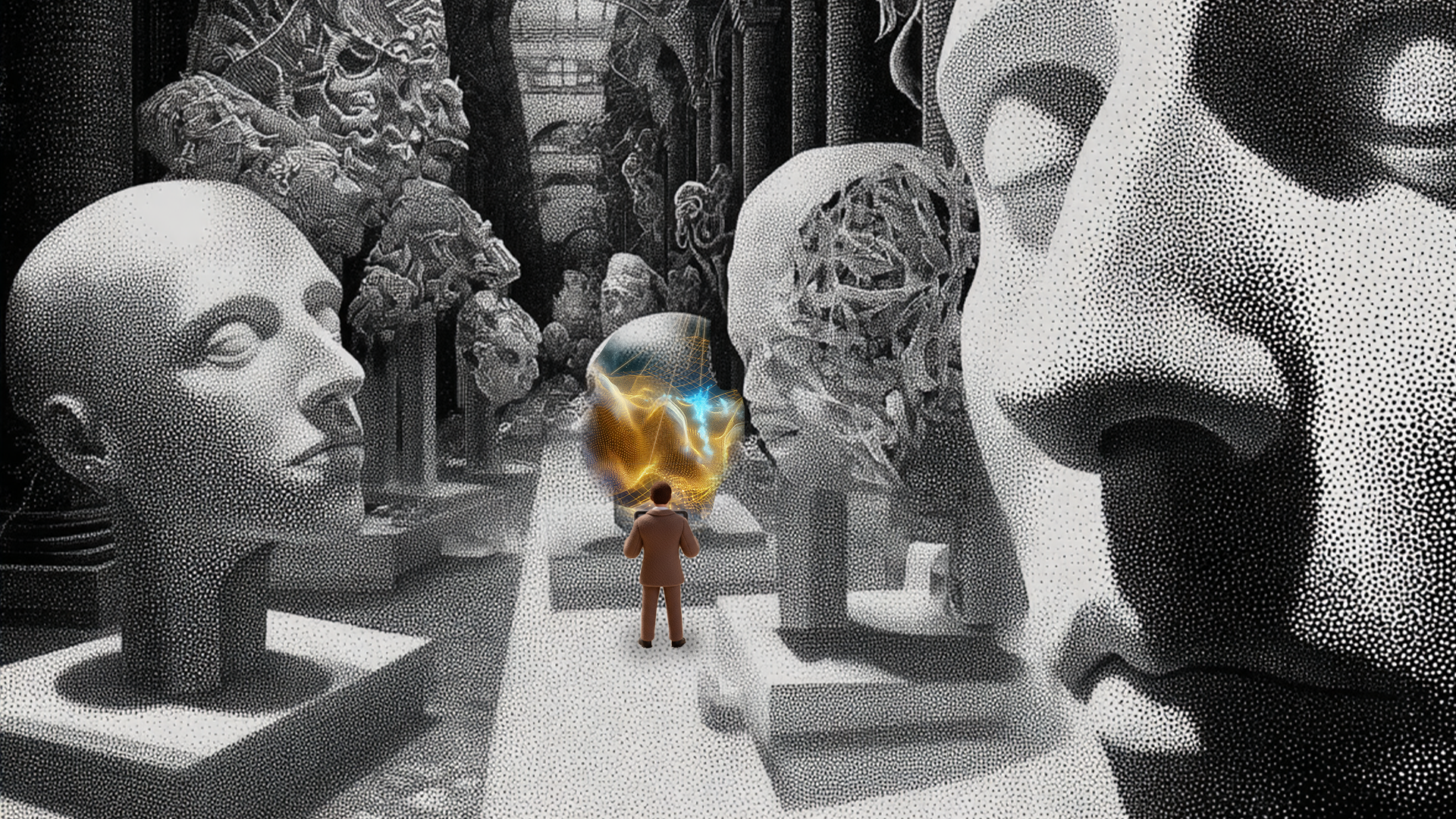
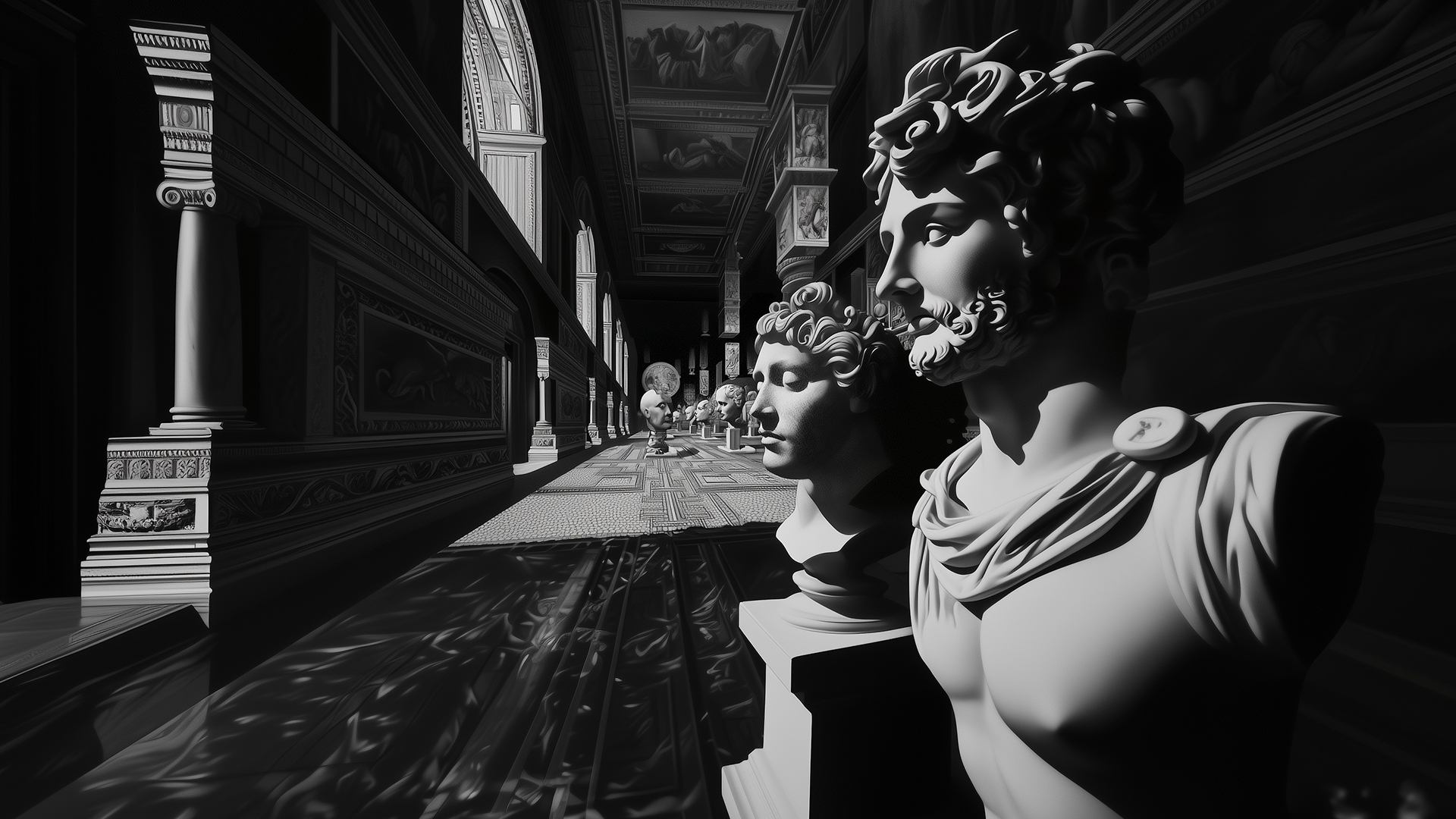
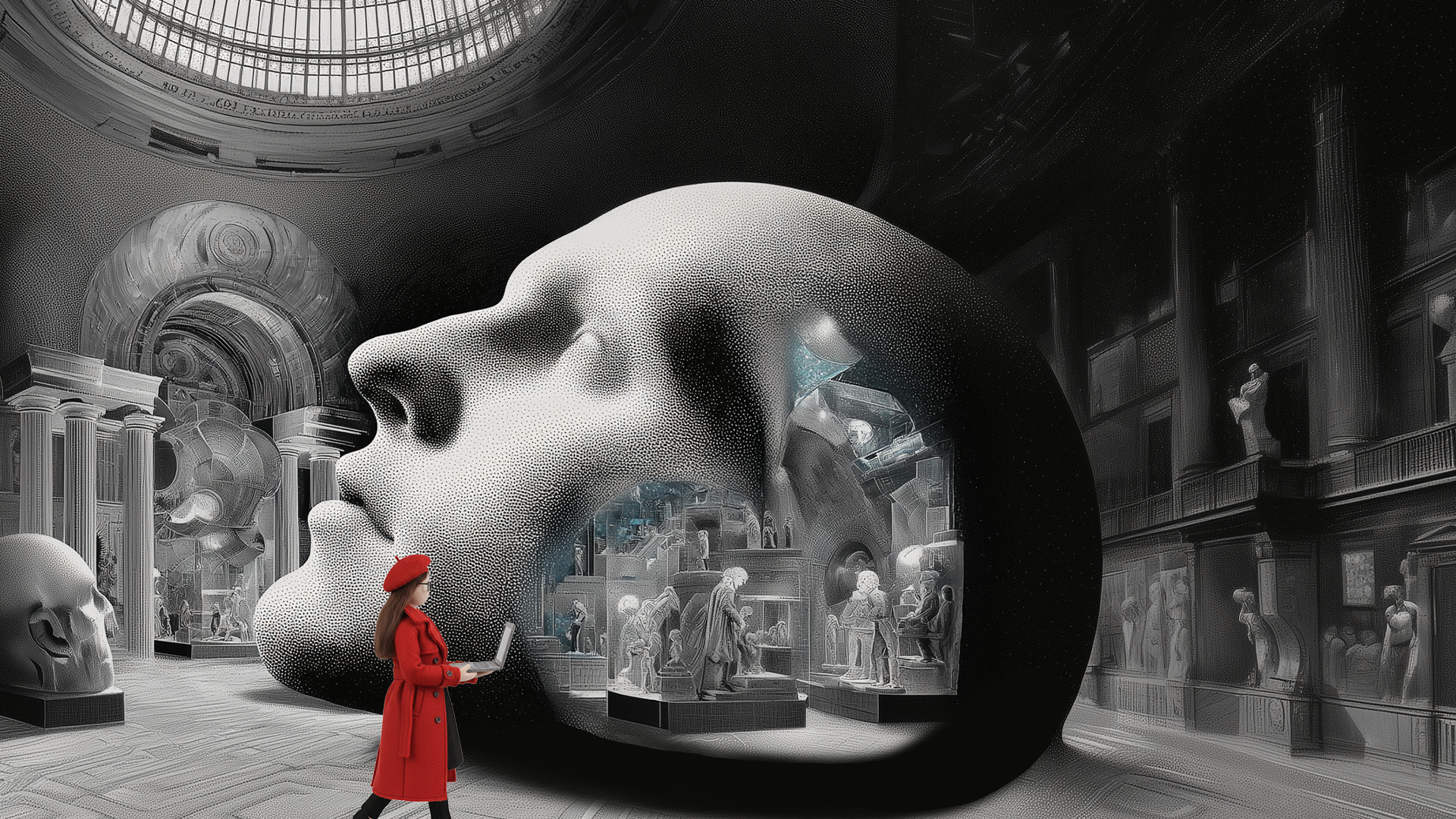
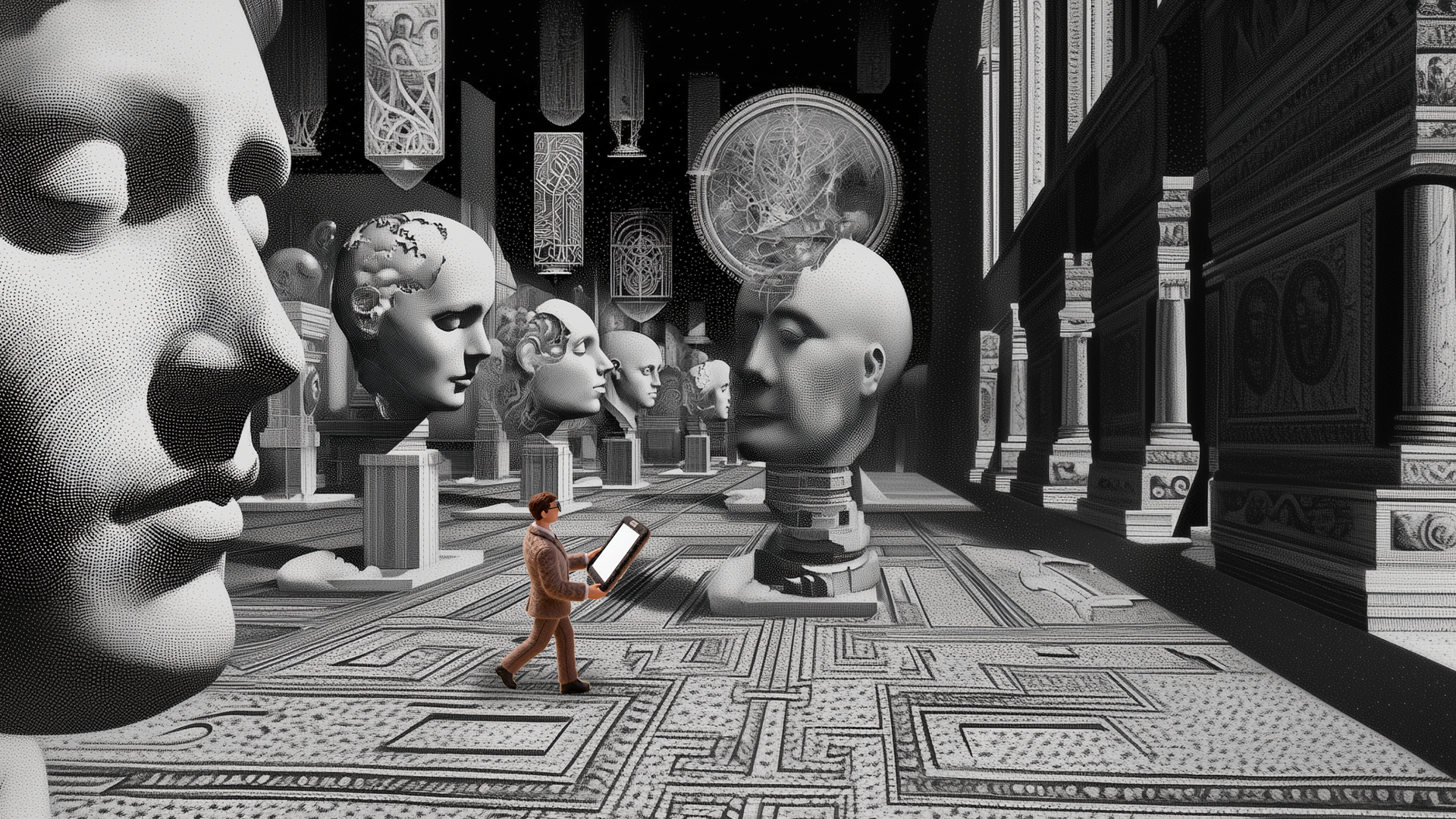
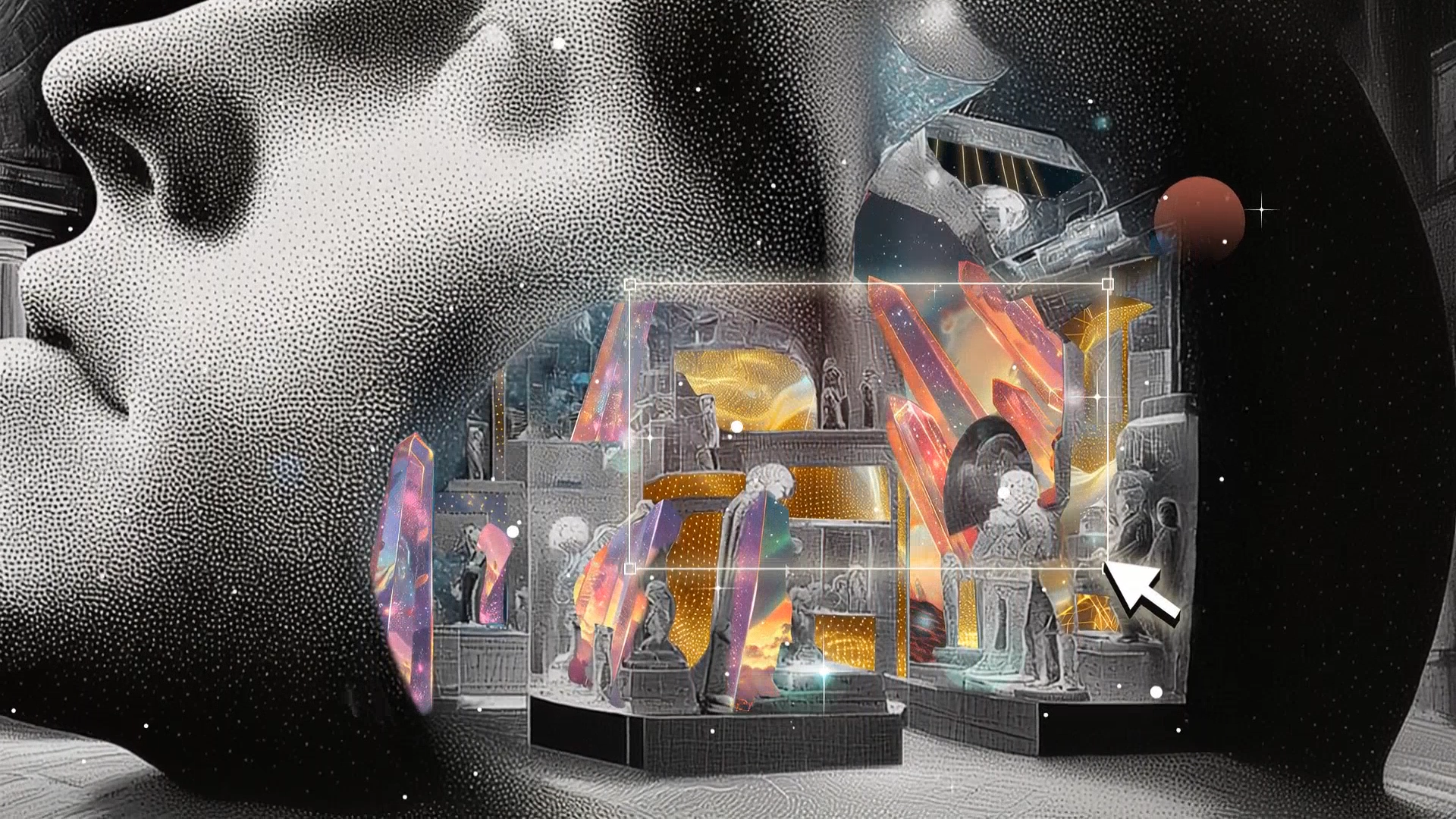
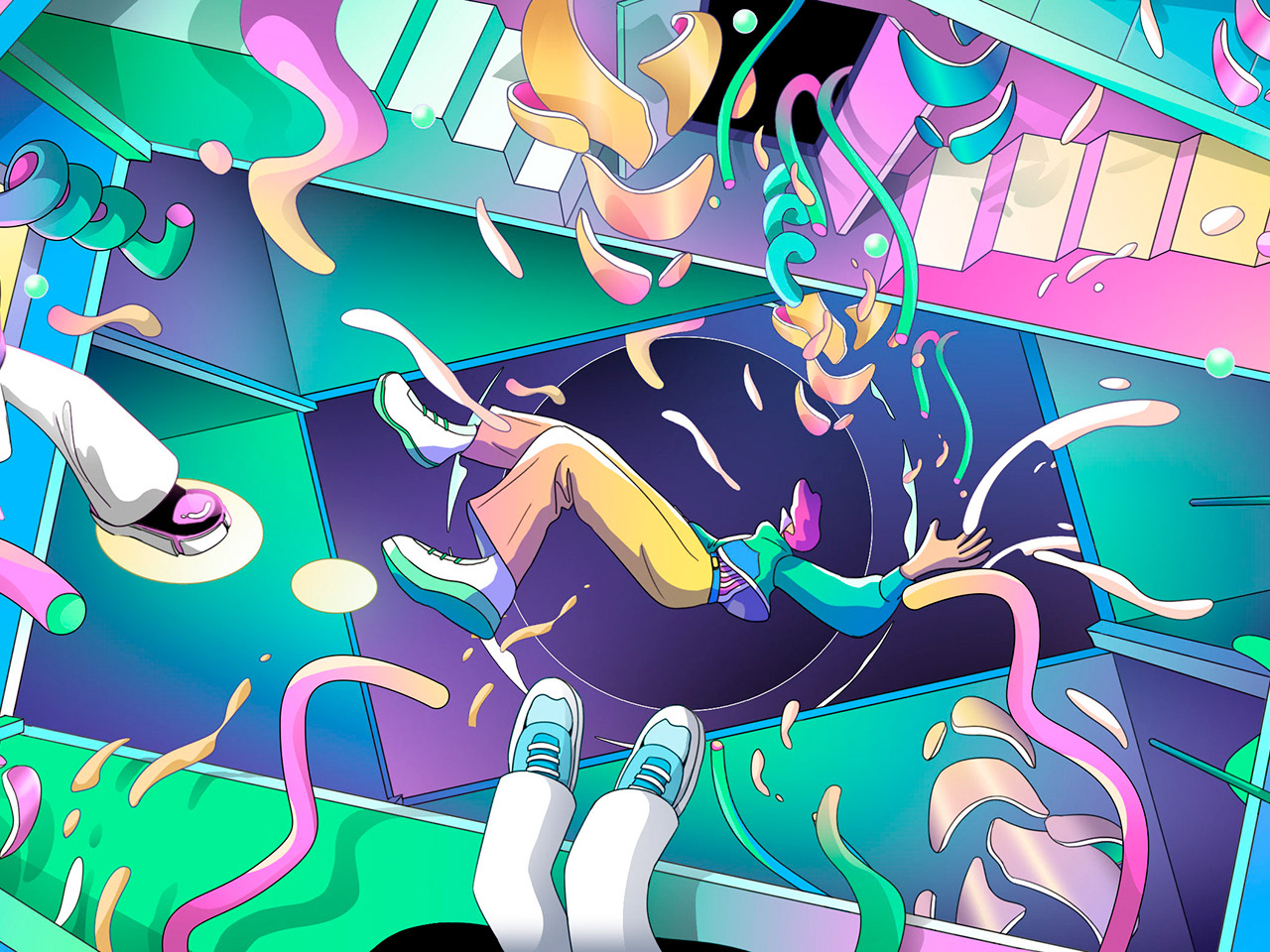
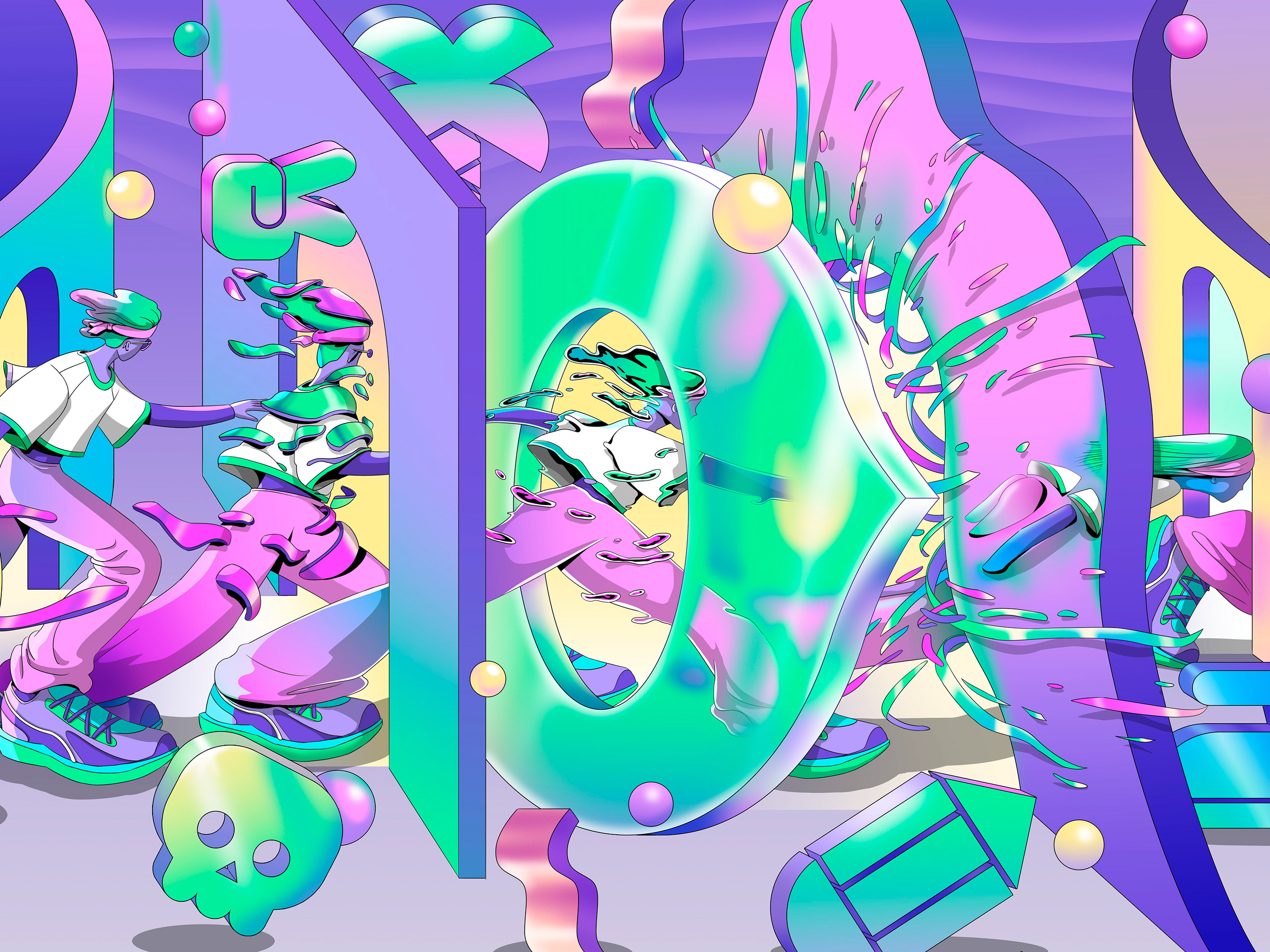
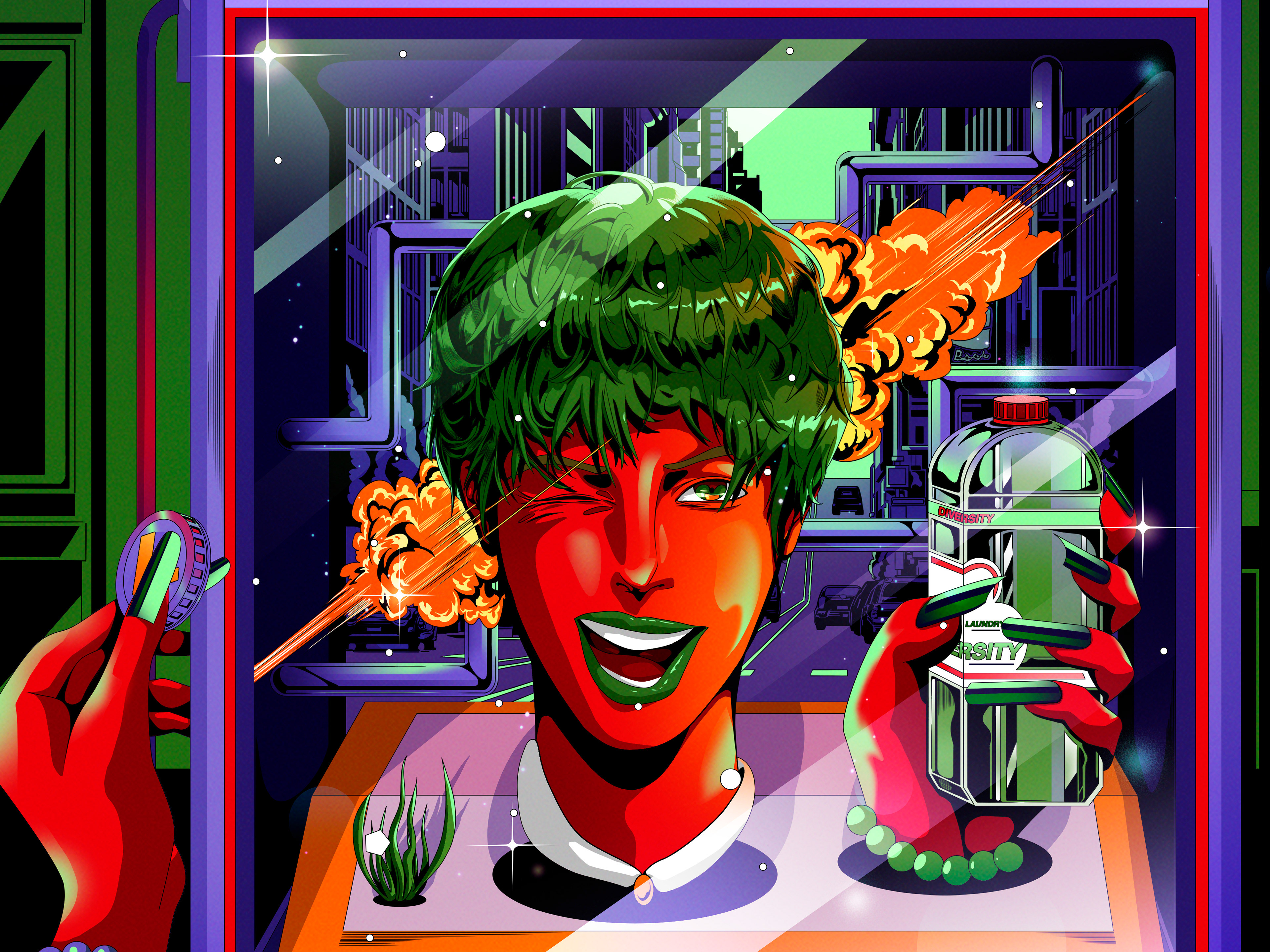
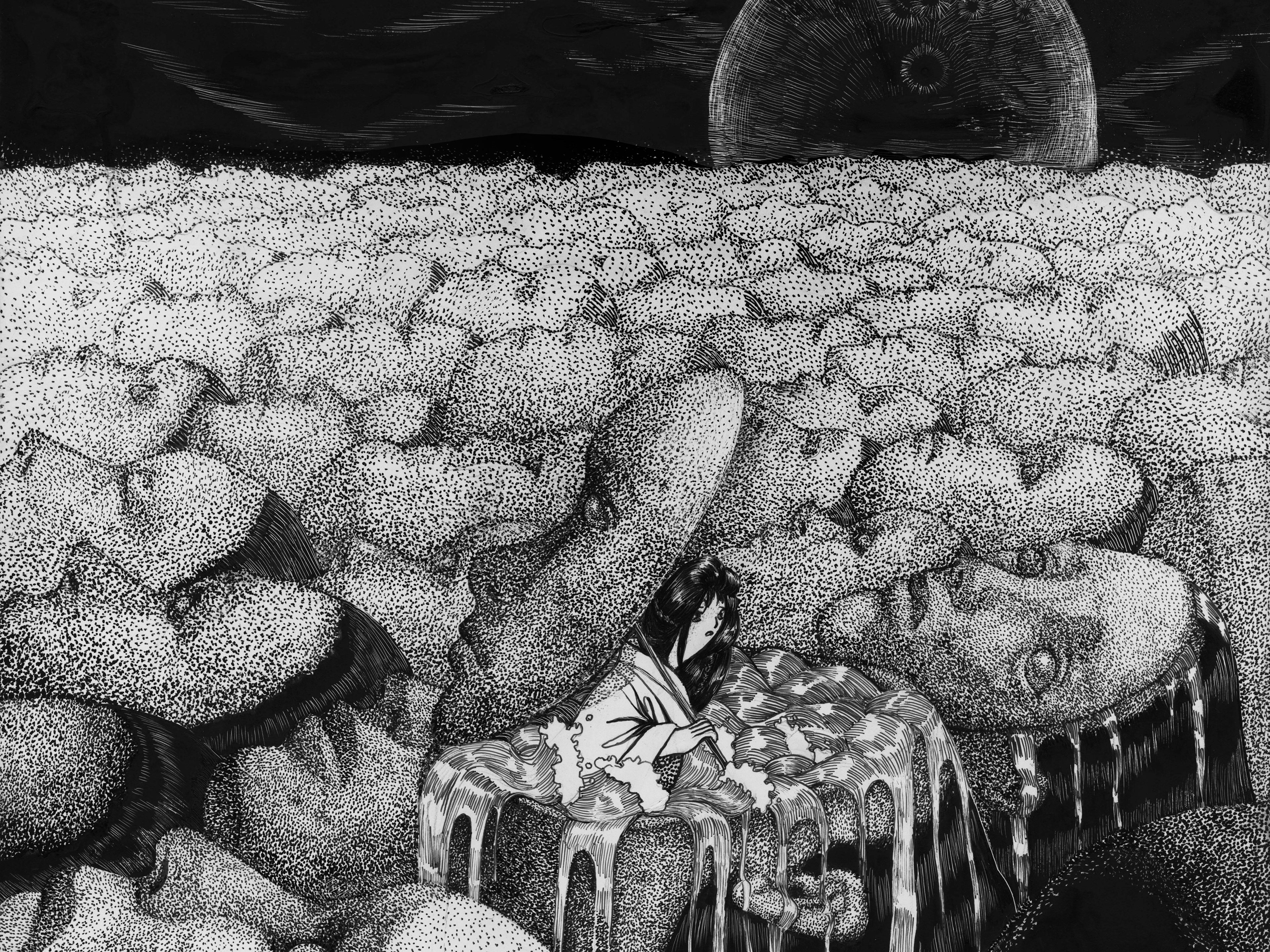
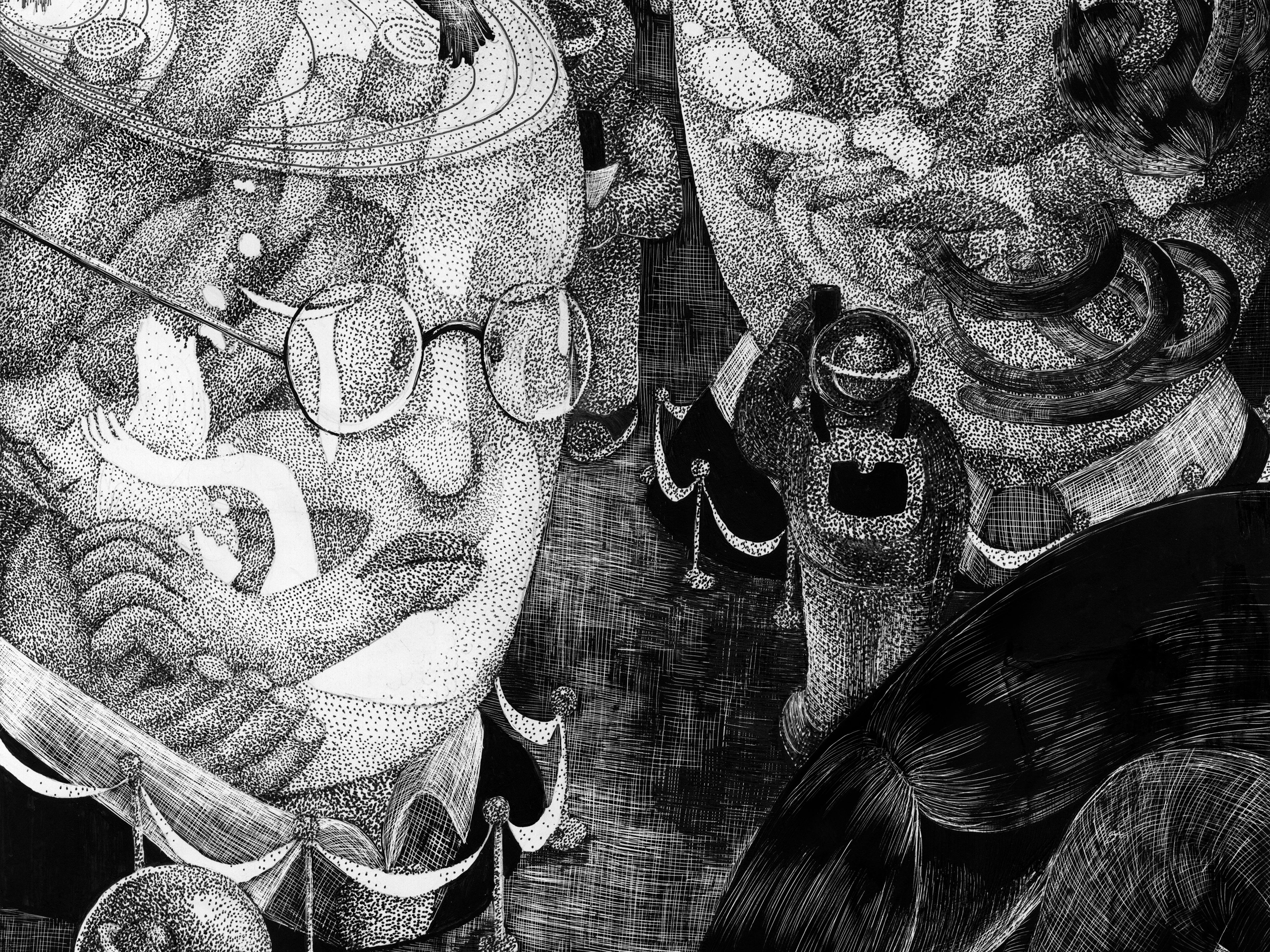
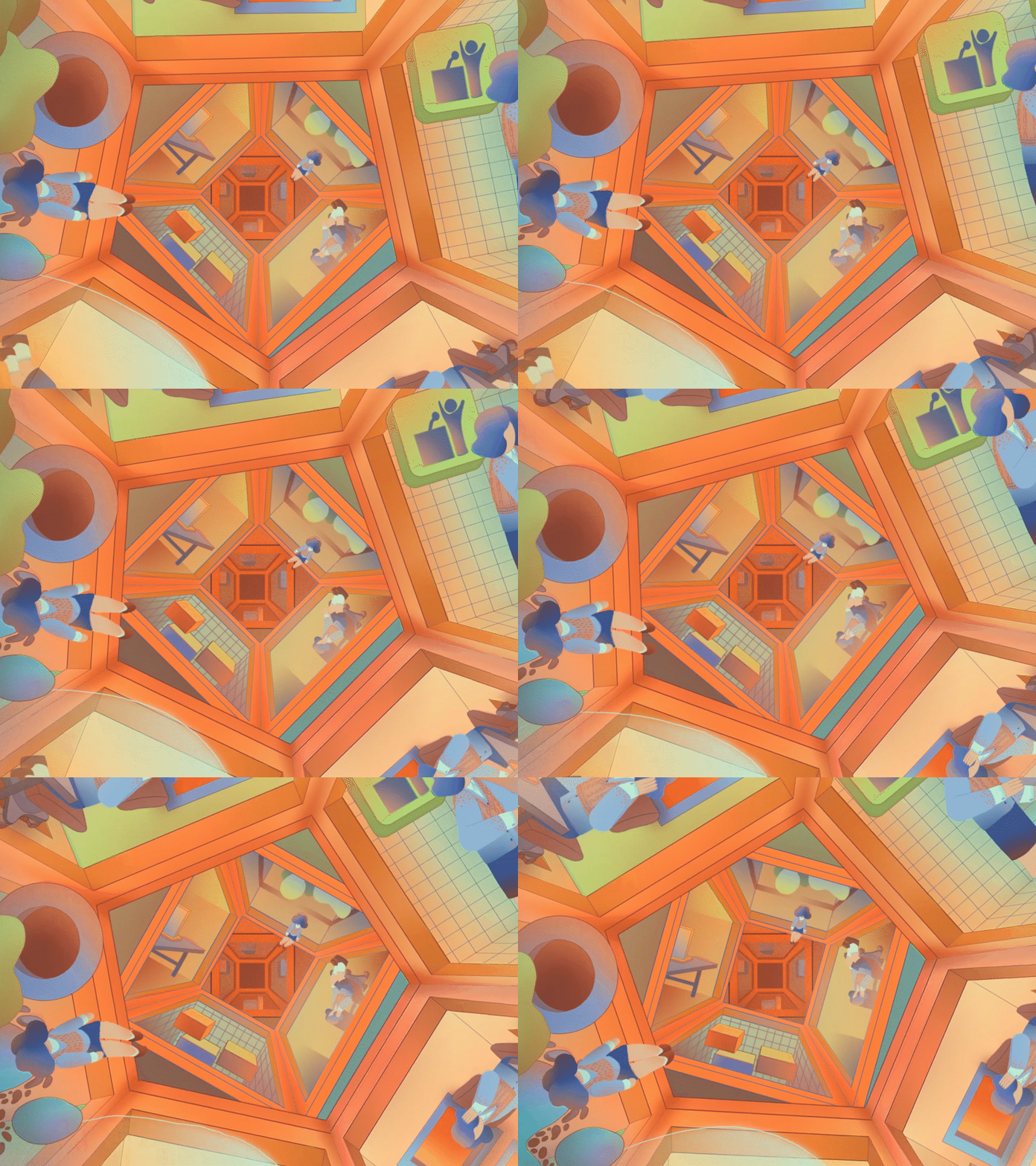
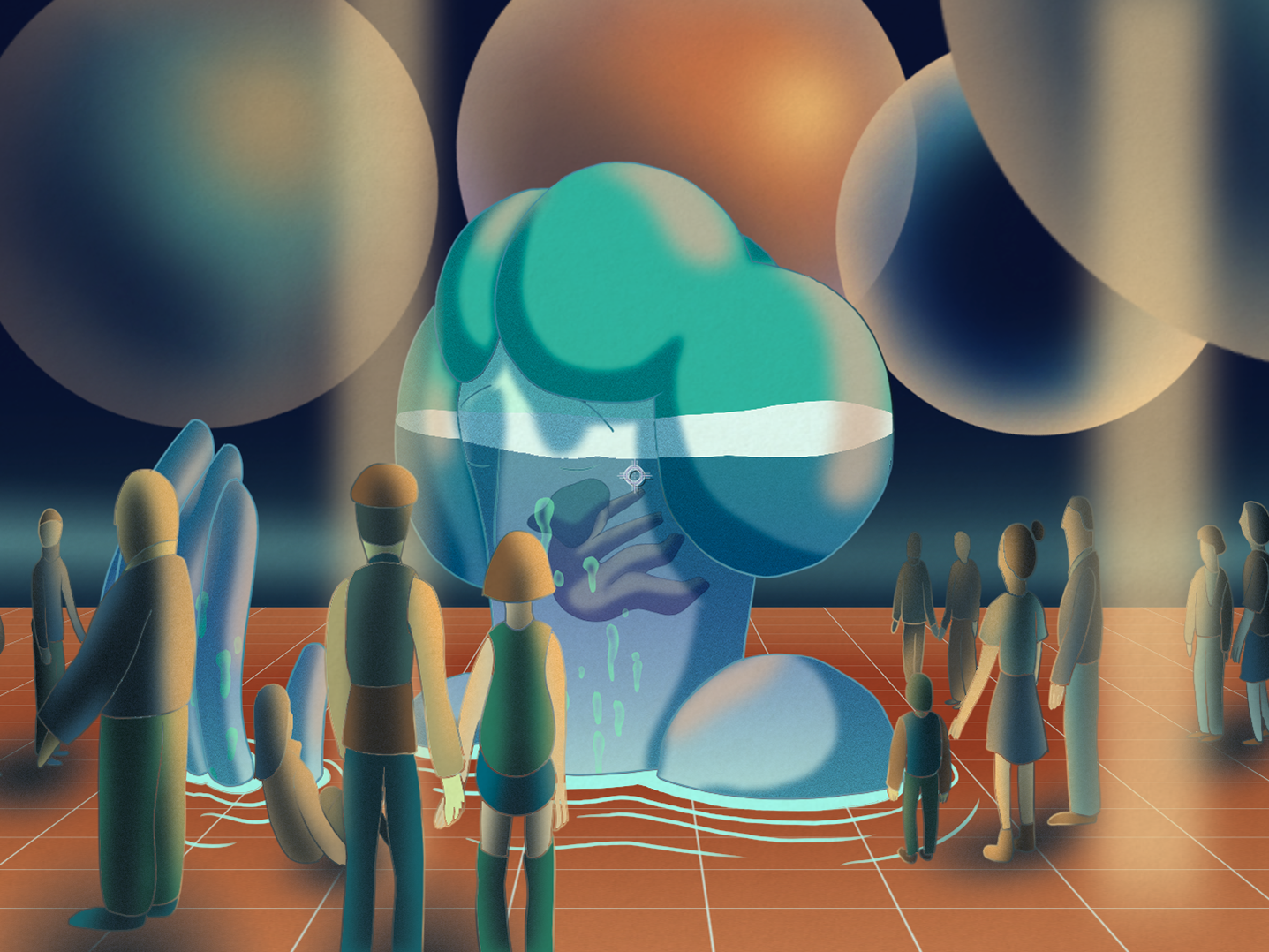
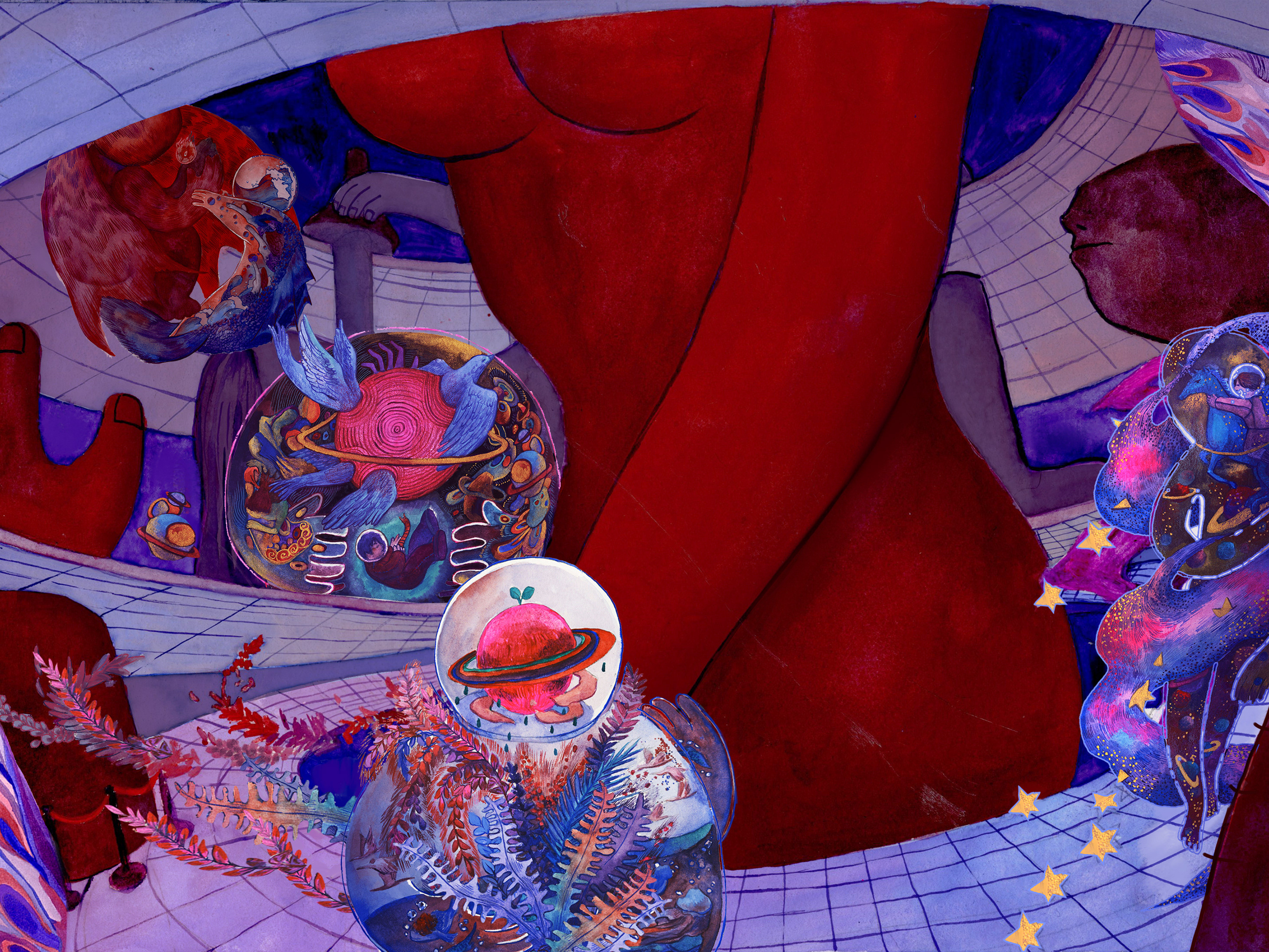
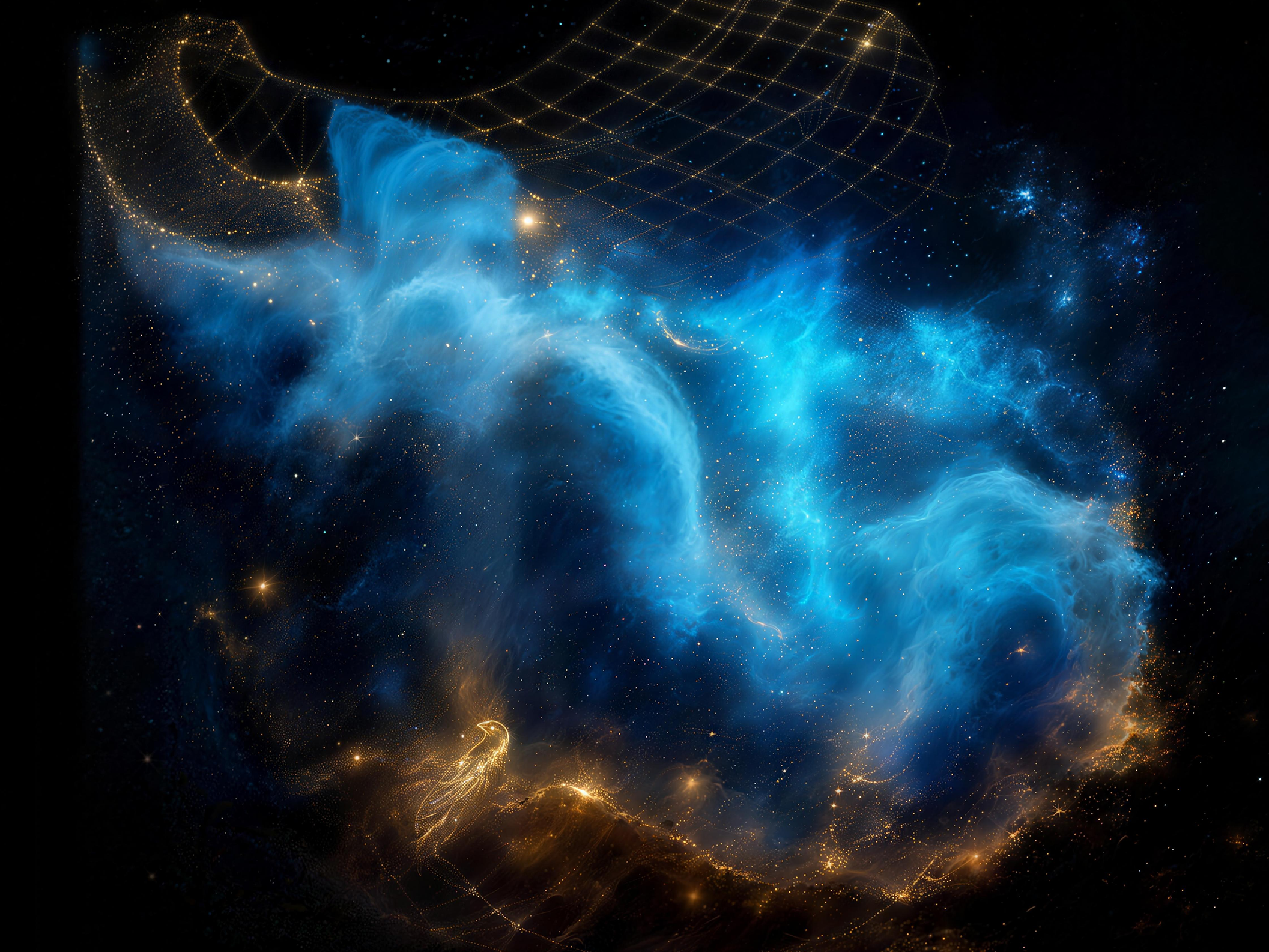
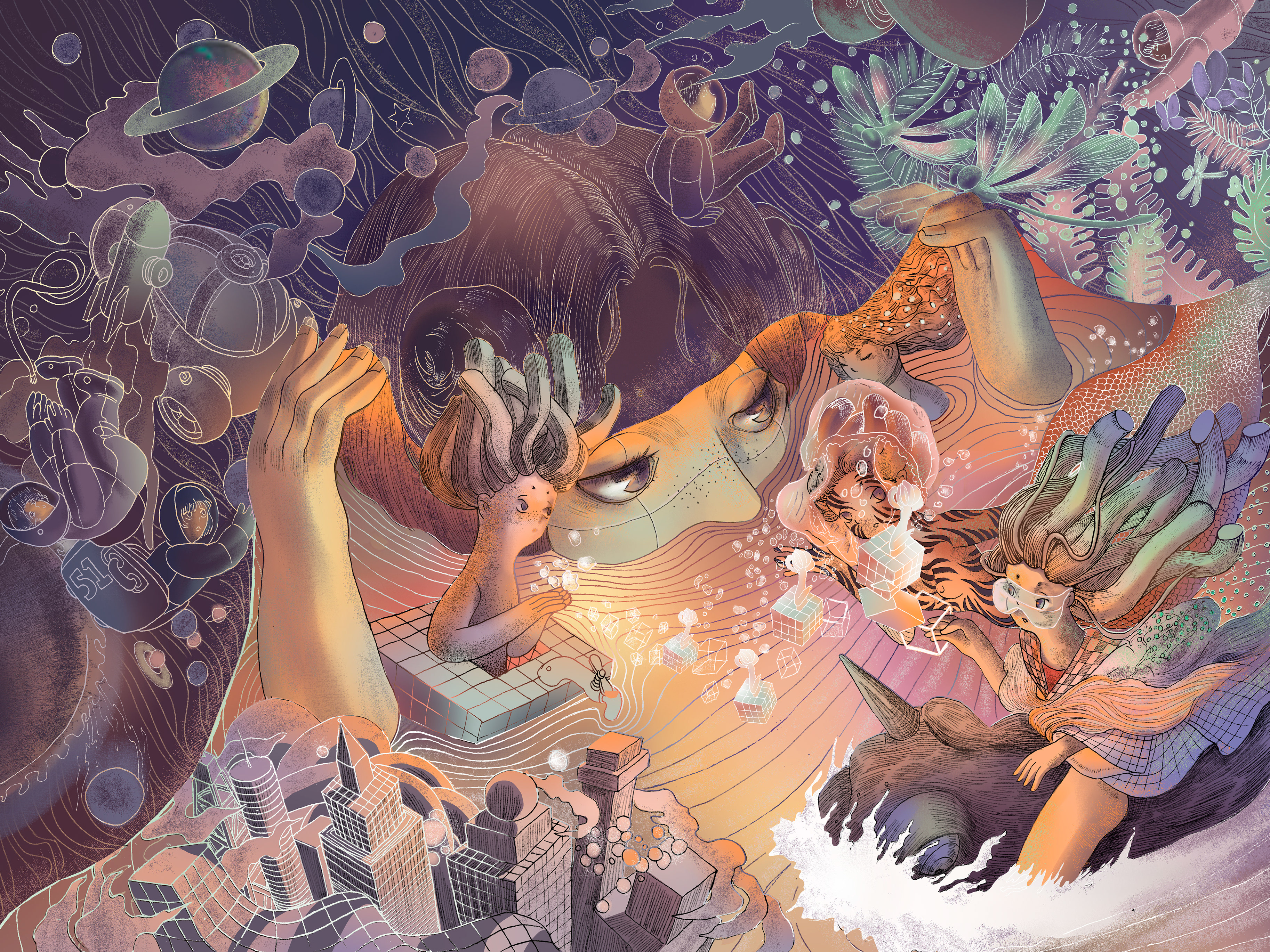
In this museum, time does not move. Each display case holds not artifacts, but other people’s minds—human heads preserved in a particle-like stasis. Unobserved, the exhibits remain suspended as noise. When looked at, subconscious imagery begins to form: emerging from granularity, shifting and recombining as if each glance triggers a new synthesis.
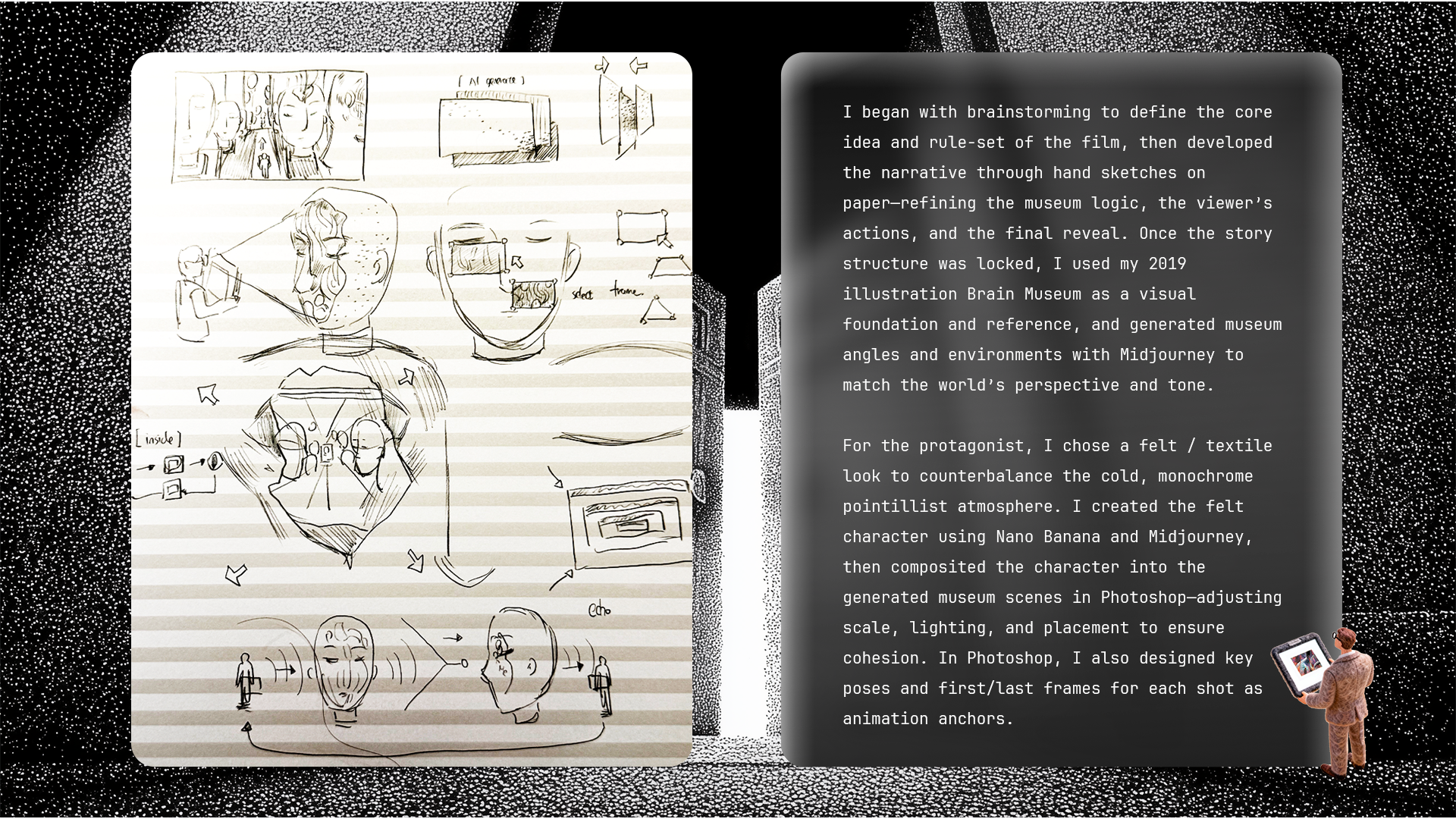
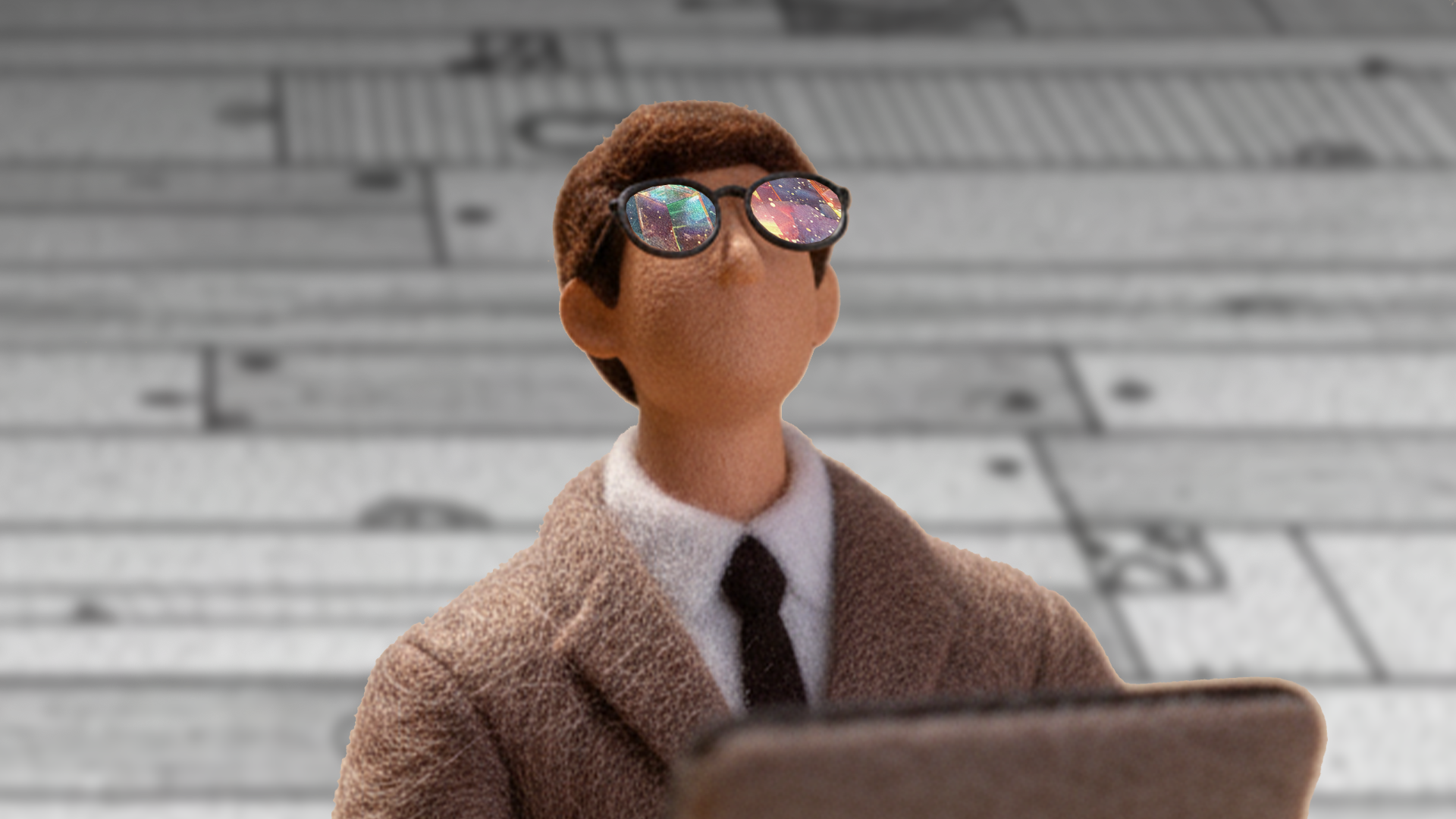
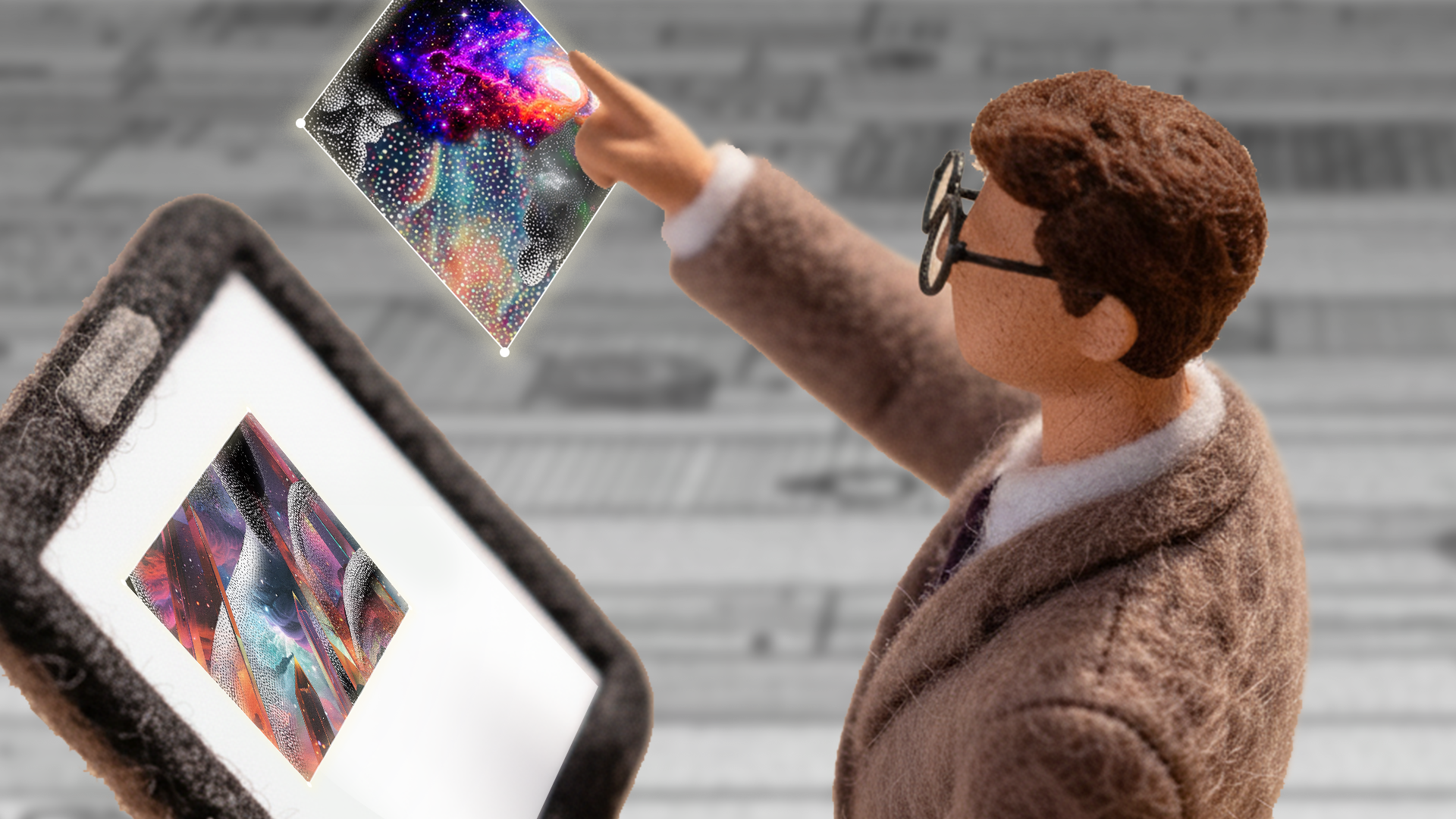
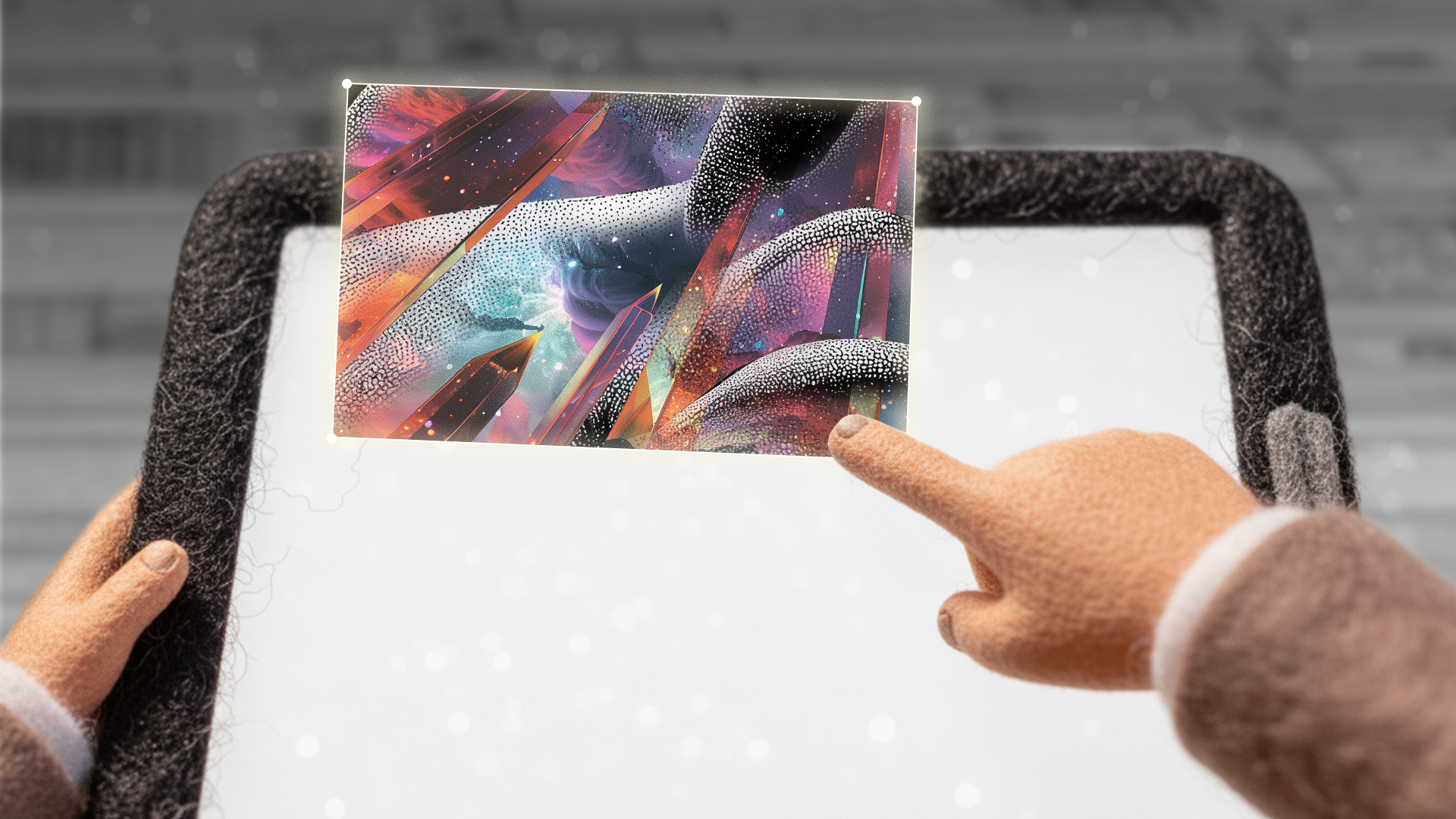
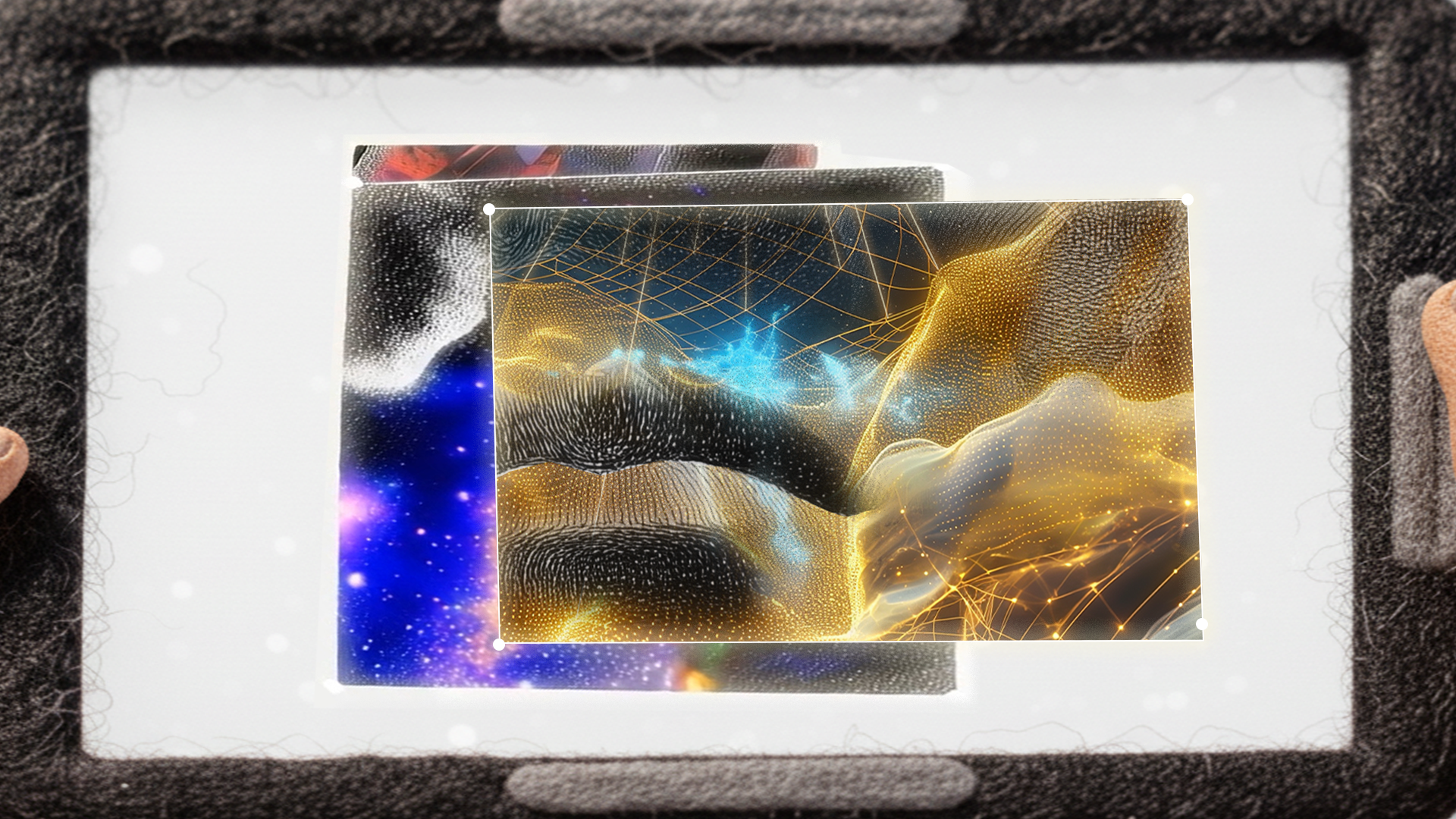
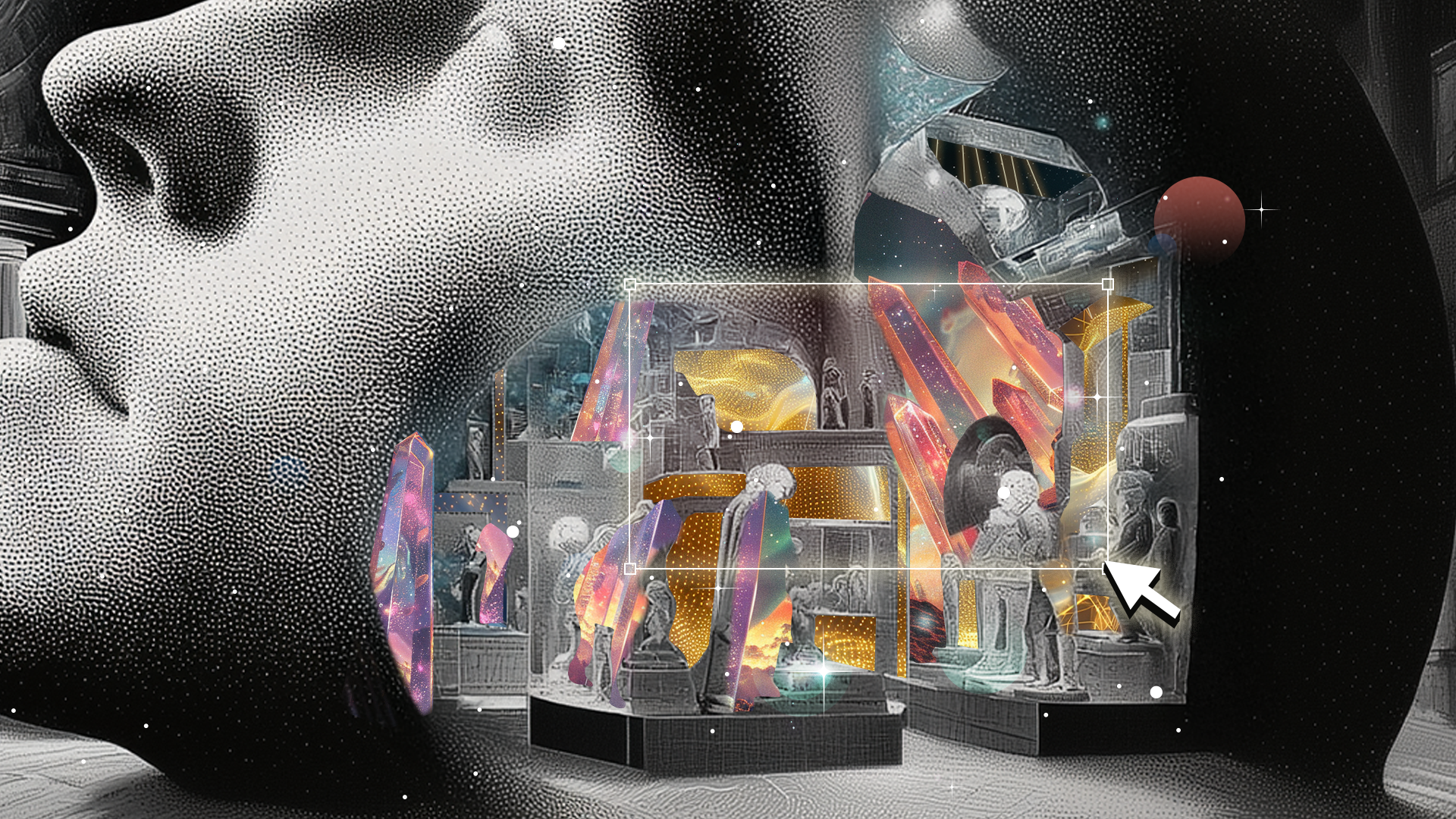
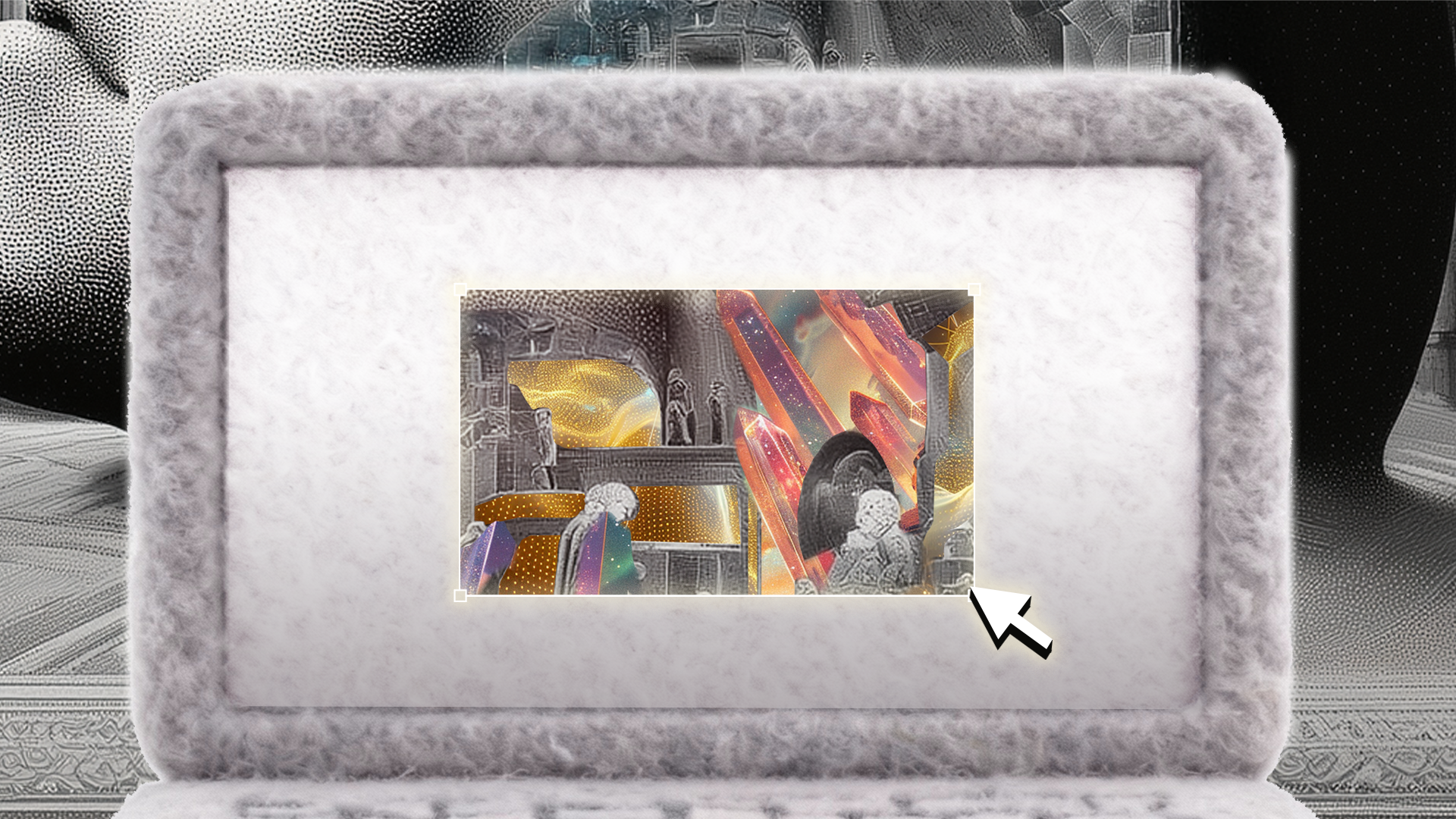
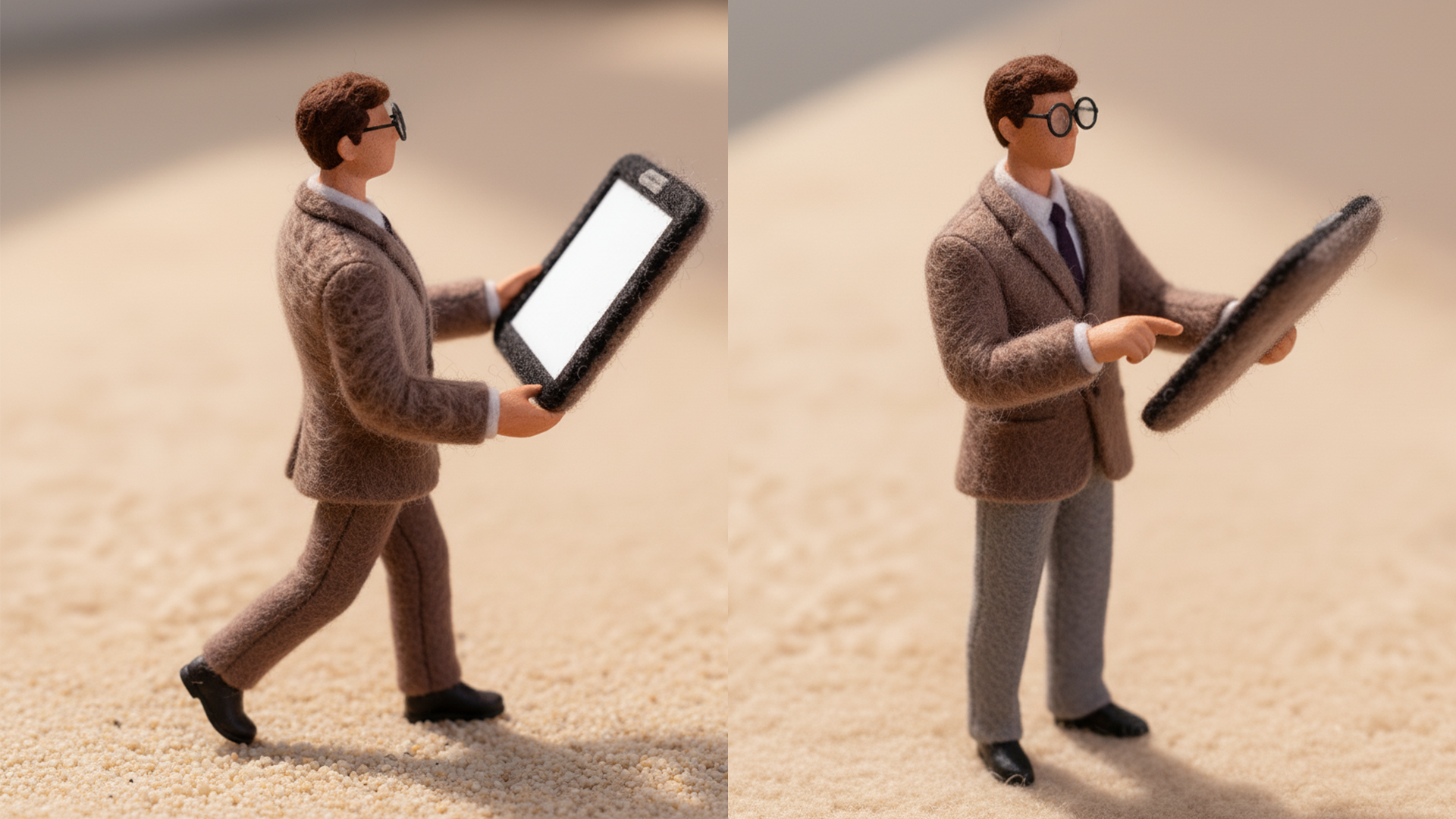
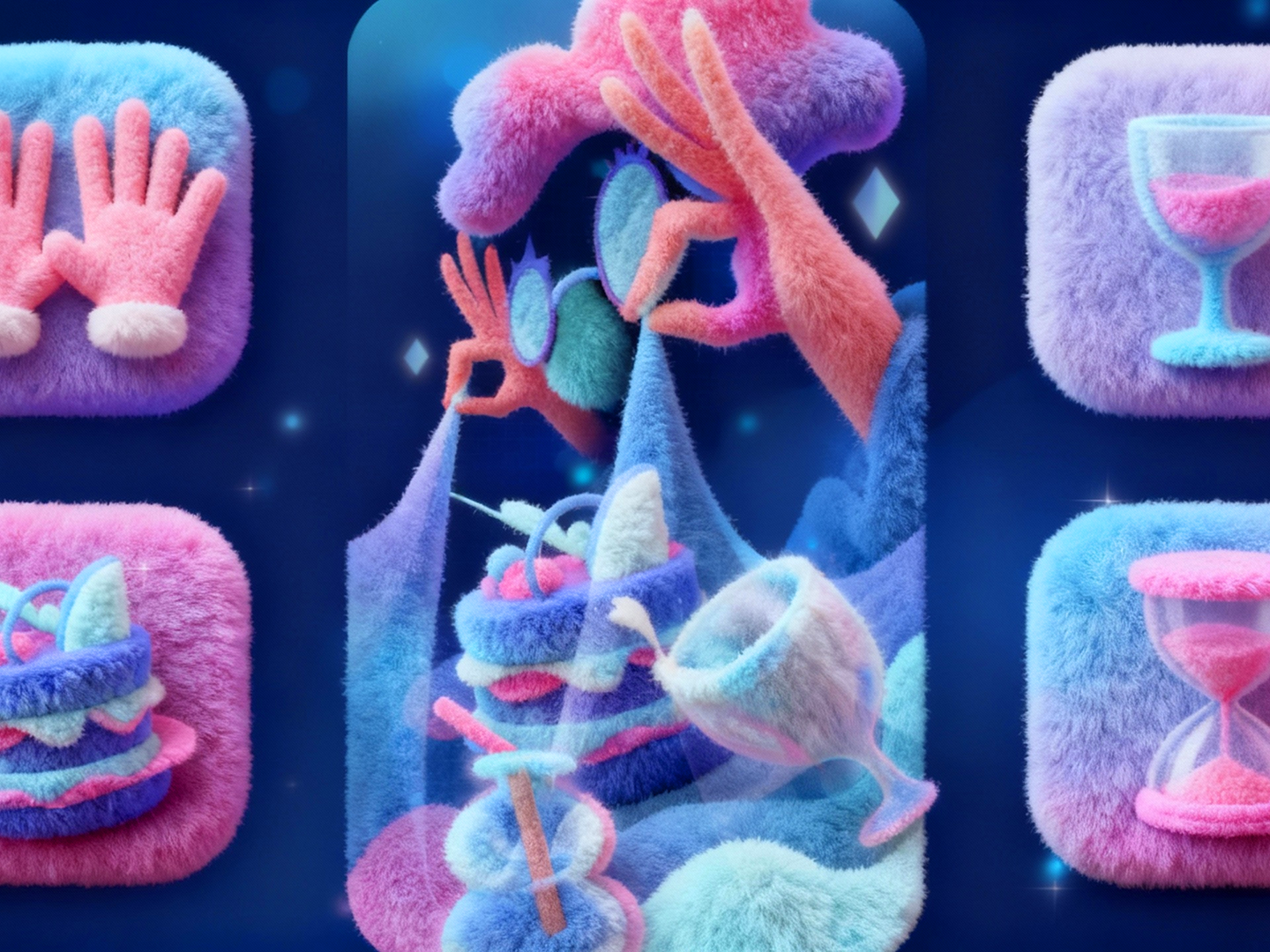
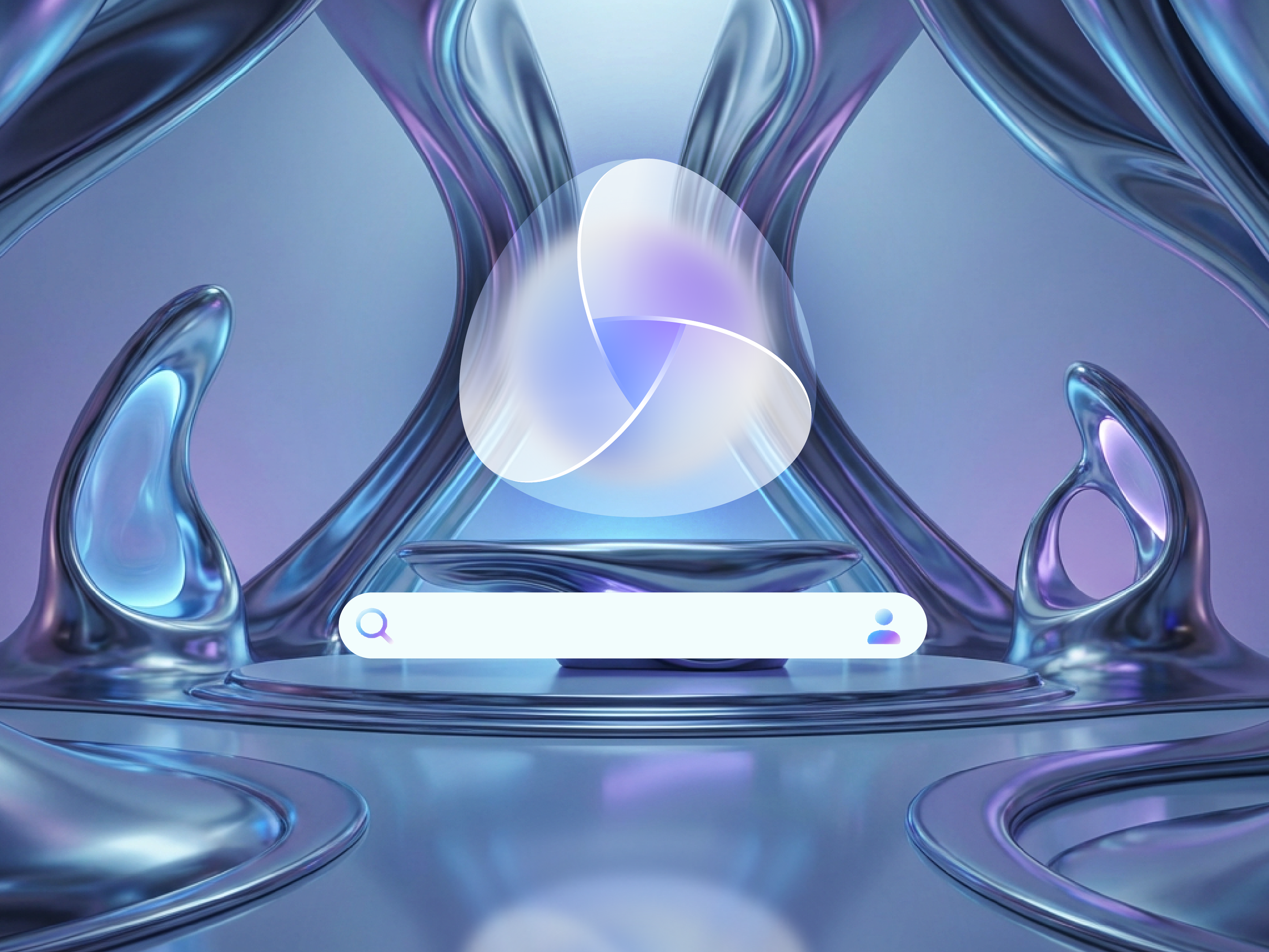
A visitor enters holding an iPad—part sketchpad, part interface. He doesn’t “create” an image from nothing; he samples. He selects the parts he wants, copies them onto a blank canvas, and composes a new whole by layering and blending fragments from different minds—like generating an image through curated recombination.
Then the structure flips. As the camera pulls back, we realize the visitor is also a head in a display case, watched and sampled by someone else—along with the entire museum that contains him. The system keeps folding into itself.
This is a Möbius loop of creativity: you can’t truly trace any finished “output” back to a single author, yet it undeniably comes from the accumulated weight of human culture. What you generate from others will be used the same way by the next observer—new surfaces, familiar echoes, and a shrinking space for the genuinely new.
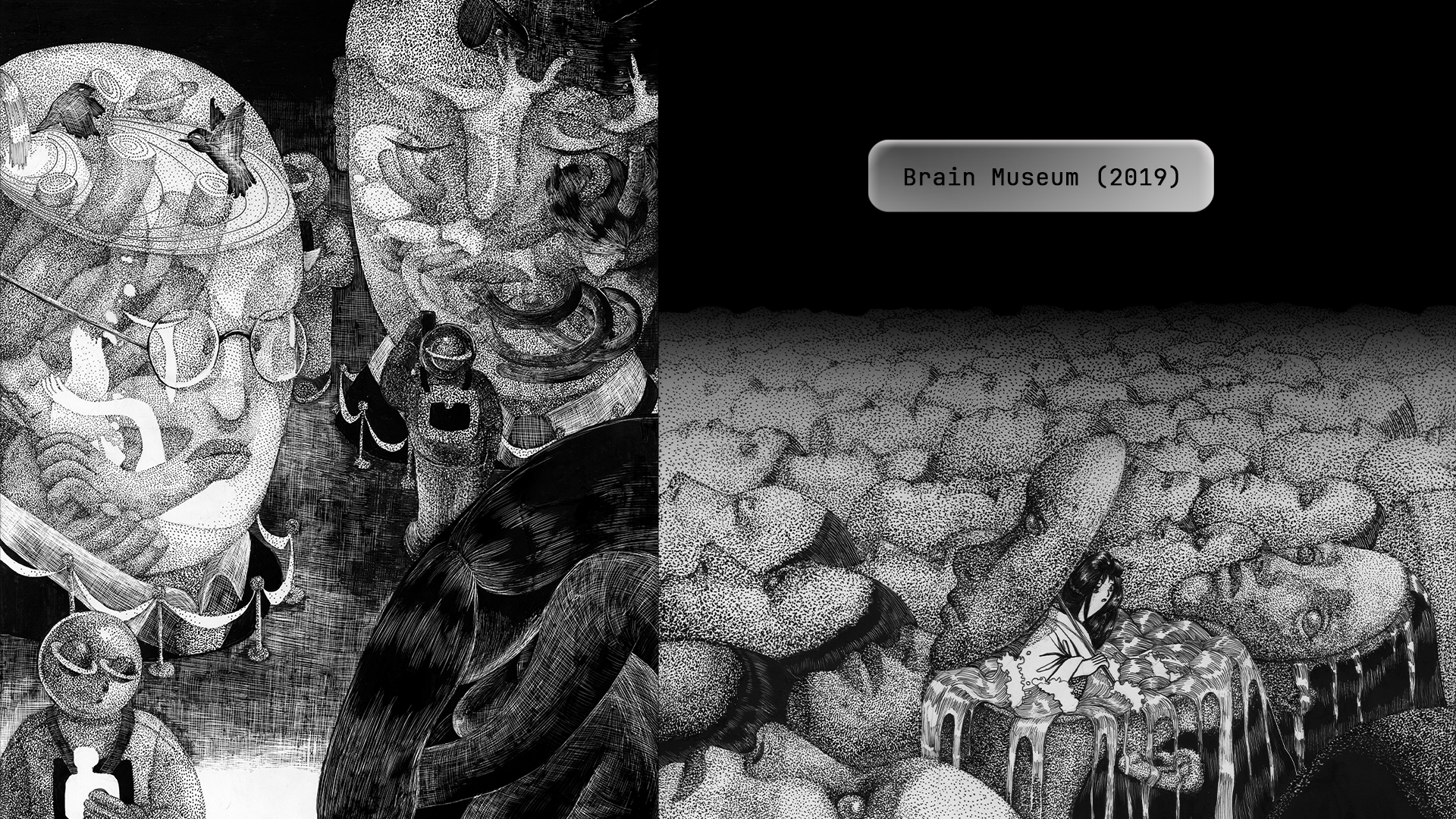
In 2019, after drawing Brain Museum, I kept wondering what the future shape of art might be. Generative AI had not yet become a common instrument; “AI” lived in the cultural imagination as a voice—assistants that could place a call without hands, small miracles of convenience. Six years later, the post-pandemic world accelerates like a tape on fast-forward: generative systems flood the image-economy, the political atmosphere hardens, and the ground shifts beneath those of us who make pictures with time, with bodies, with care.
AI helps. And it also narrows. Its images are fast, cheap, endlessly obtainable—so structurally advantaged that they can displace slow human making even when their surface is criticized. Watching the process, I began to feel the difference not as a technical debate, but as a psychological one. At the moment of making, there is no lived digestion—no lingering, no sediment, no struggle that turns influence into transformation. There is recombination.
Humans too stand on others’ shoulders, but we learn and we change—we metabolize, we invent. What I see in many generated images is a beautiful corpse: a collage of prior art’s remains, polished into something that resembles novelty, yet may not contain genuine generation or growth. And if we surrender to that speed—if we become addicted to fusion and output—we risk reshaping ourselves into the same logic: collecting, blending, producing, without ever returning to the slow, expansive act of learning.
Echo Museum was made from that fear. It stages generation as an echo chamber: an image that looks unseen, but may only be the reverberation of older works. I don’t want art to die inside that chamber. I want to remember—and to remind—what exists outside it: a world wide enough for patience, for thought, for the kind of making that is still alive.