Project Name: Ego4D (Egocentric 4D Live Perception)
Core Theme: Egocentric Perception (Teaching AI to see from a first-person perspective).
Unlike traditional "spectator" (third-person) computer vision, this project focuses on teaching AI to understand the world through human eyes.
My Role: Storyboards, Concept Development, Styleframes Design.
The Challenge: Overcoming Surveillance Anxiety The core challenge of the Ego4D project was not technical, but psychological. The concept of "always-on" egocentric cameras inherently triggers a fear of surveillance. Presenting this technology with a hyper-realistic, "Cyberpunk," or cold high-tech aesthetic would have only amplified these anxieties, making the AI feel invasive—like a "Big Brother" monitoring device.
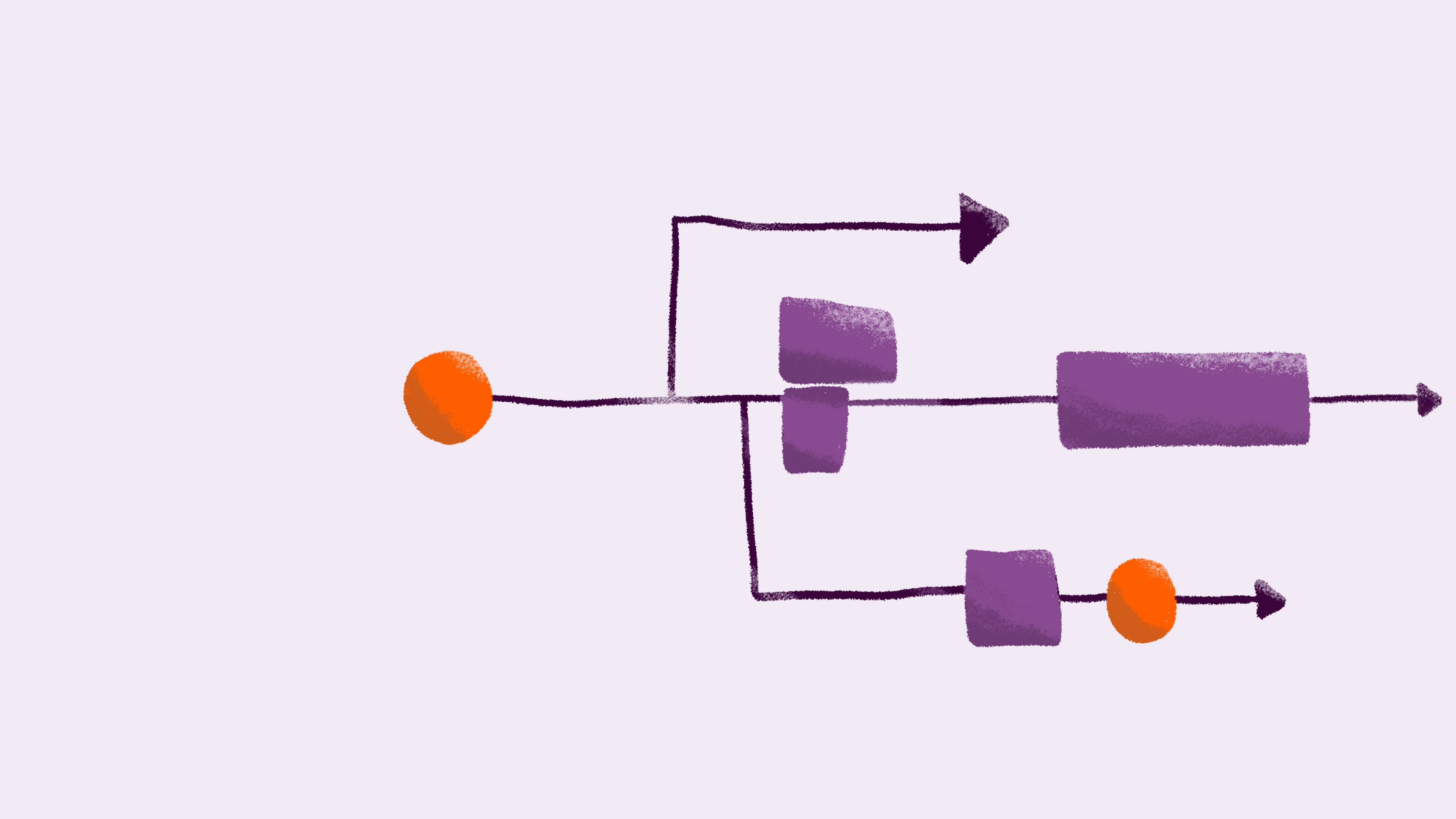
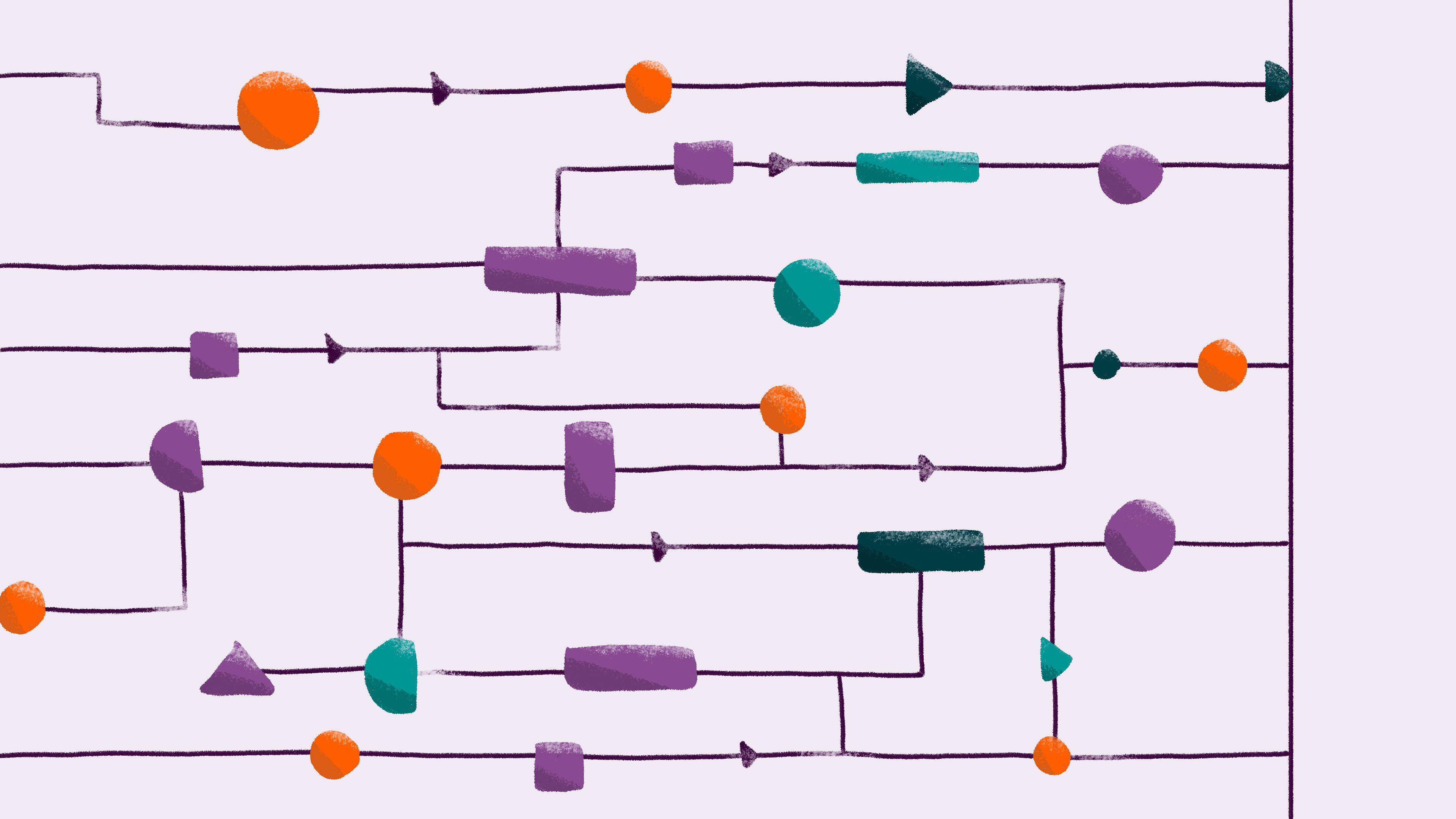
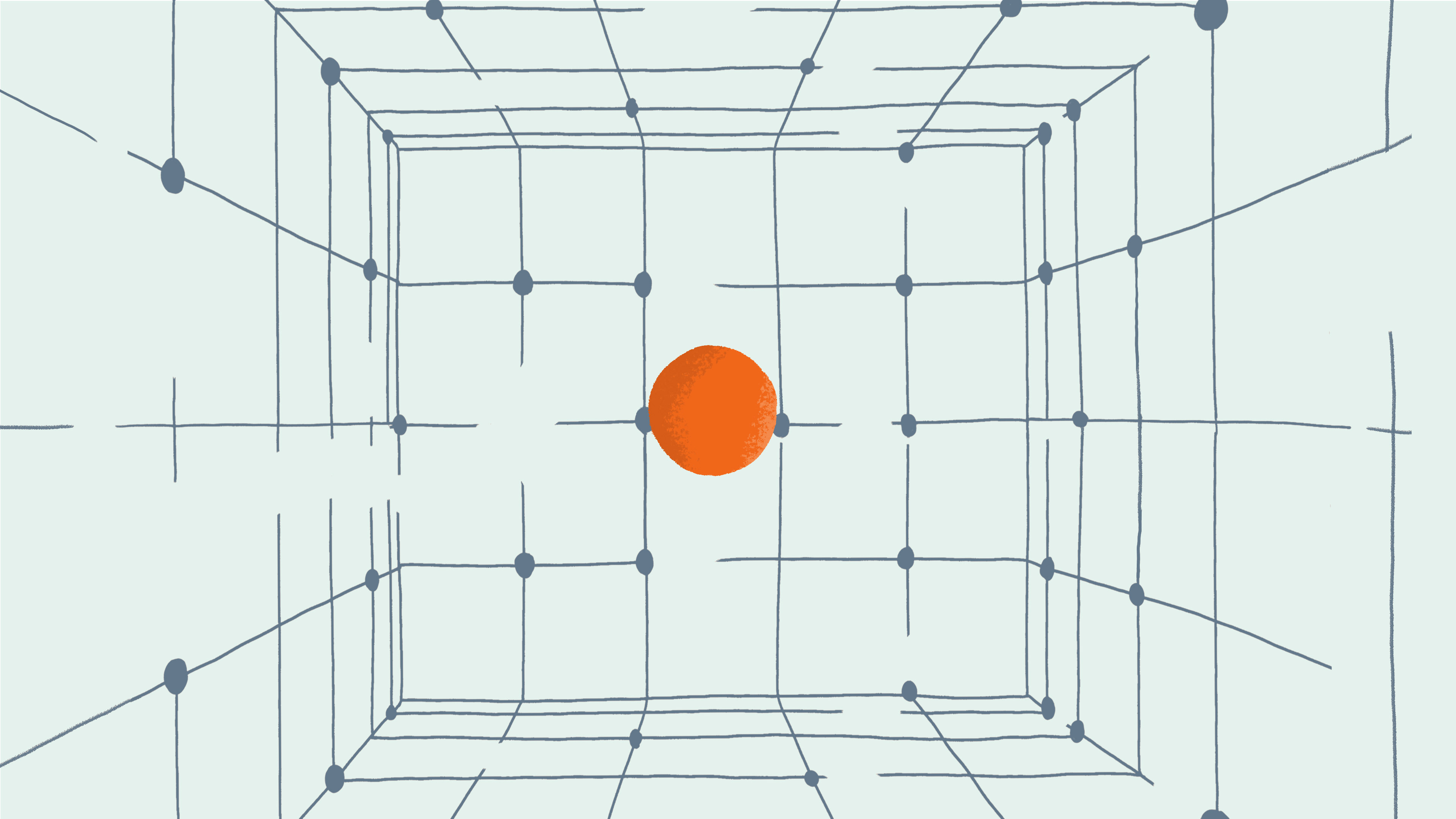
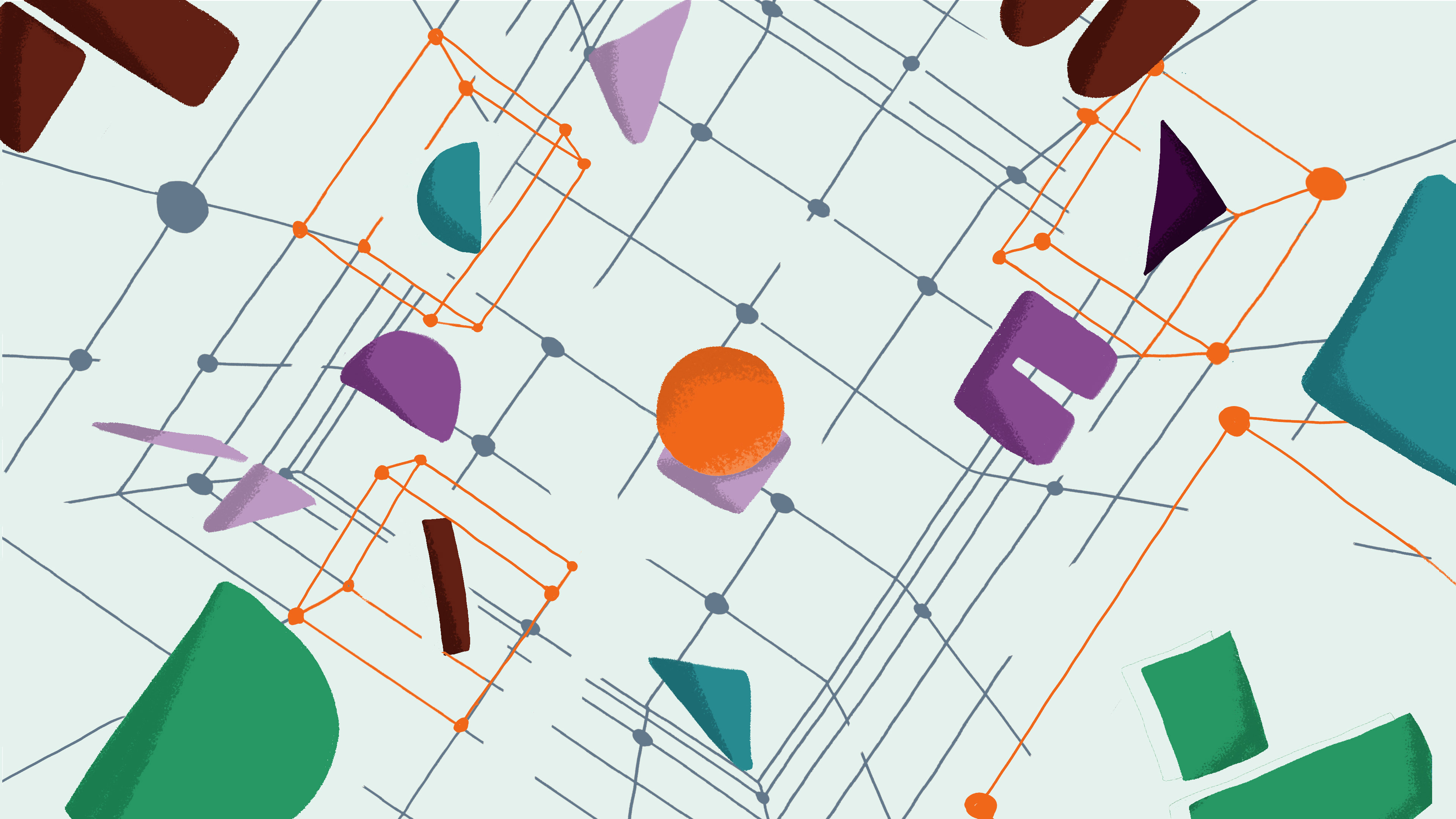
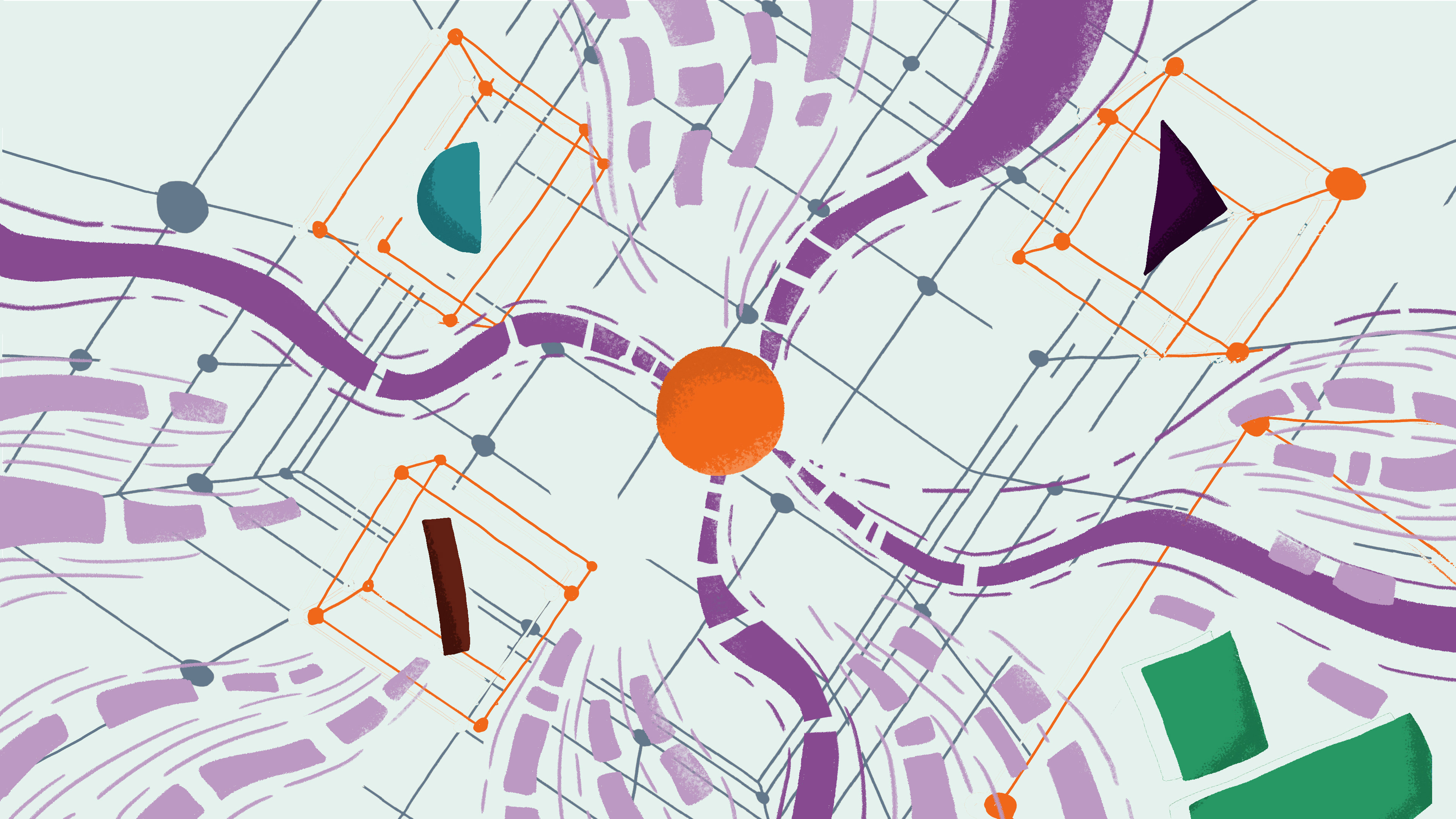
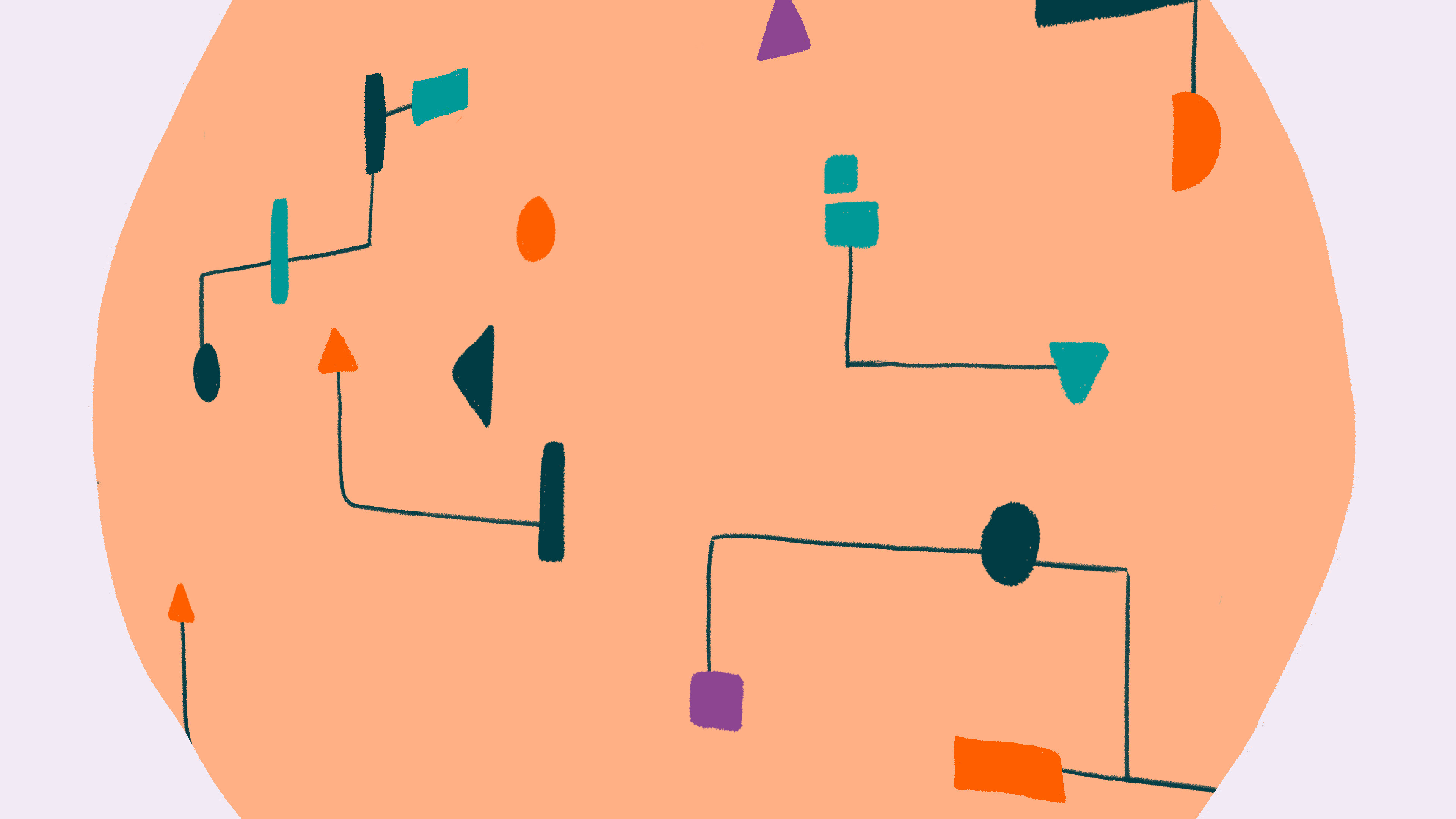
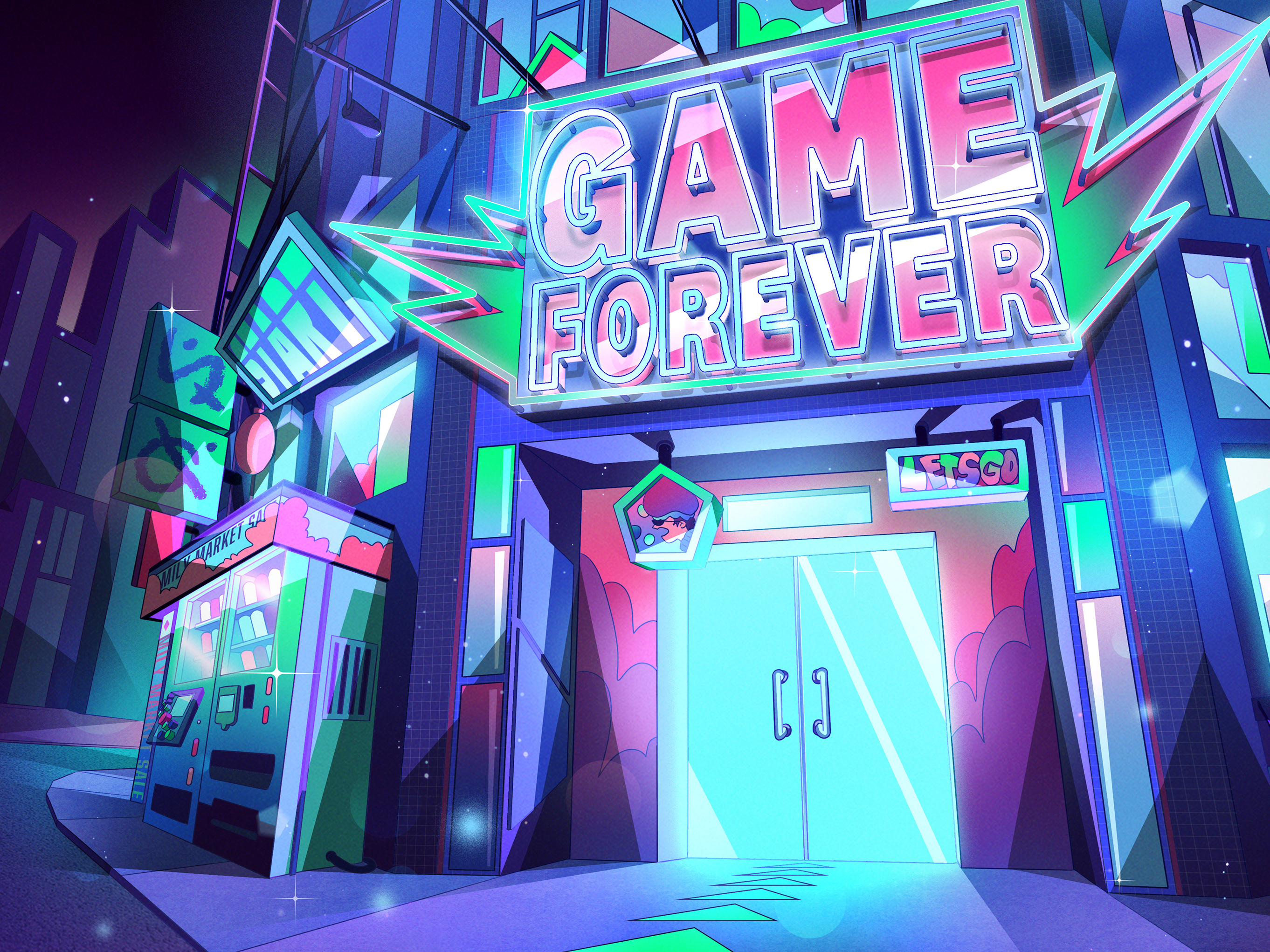
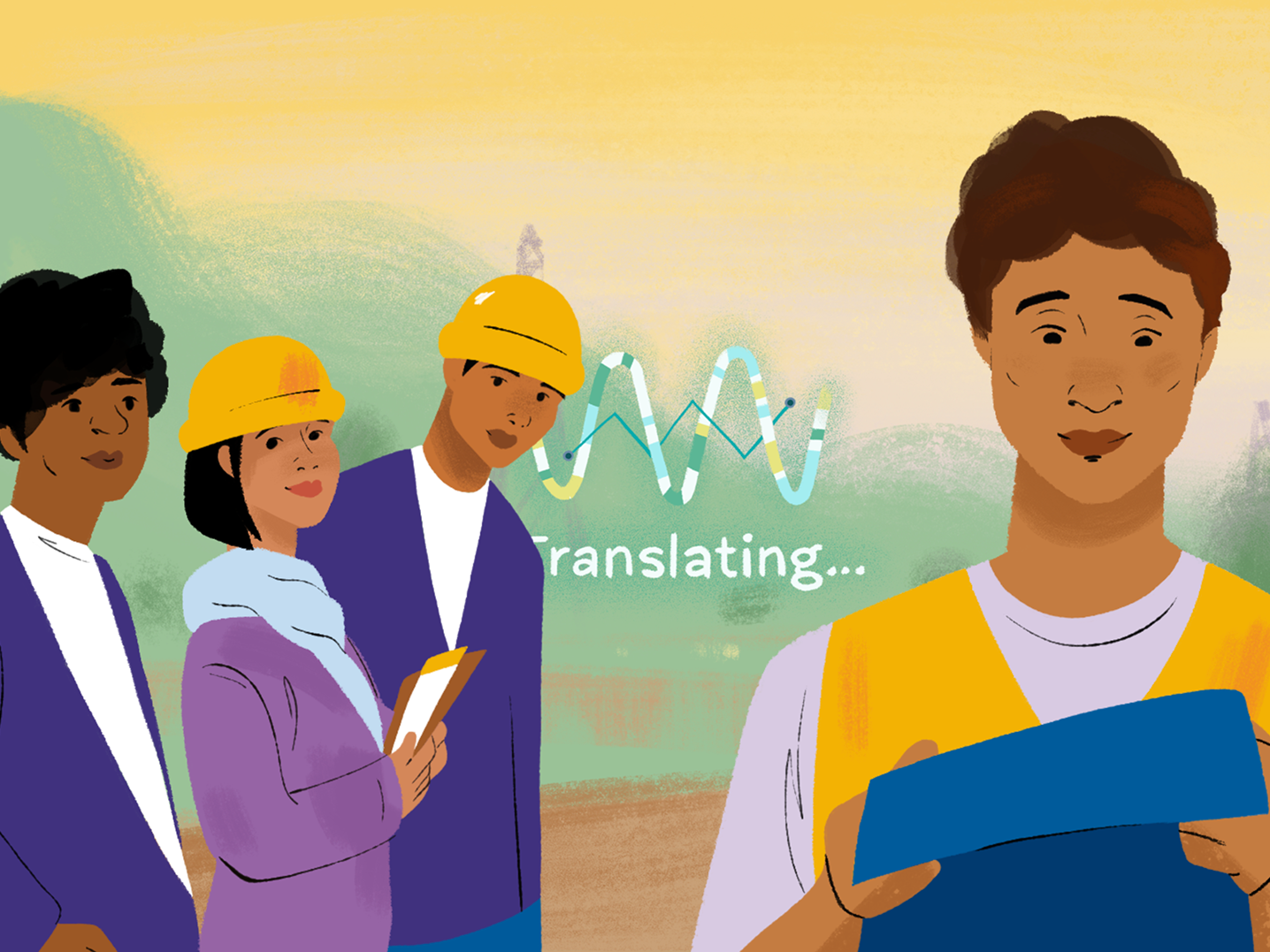
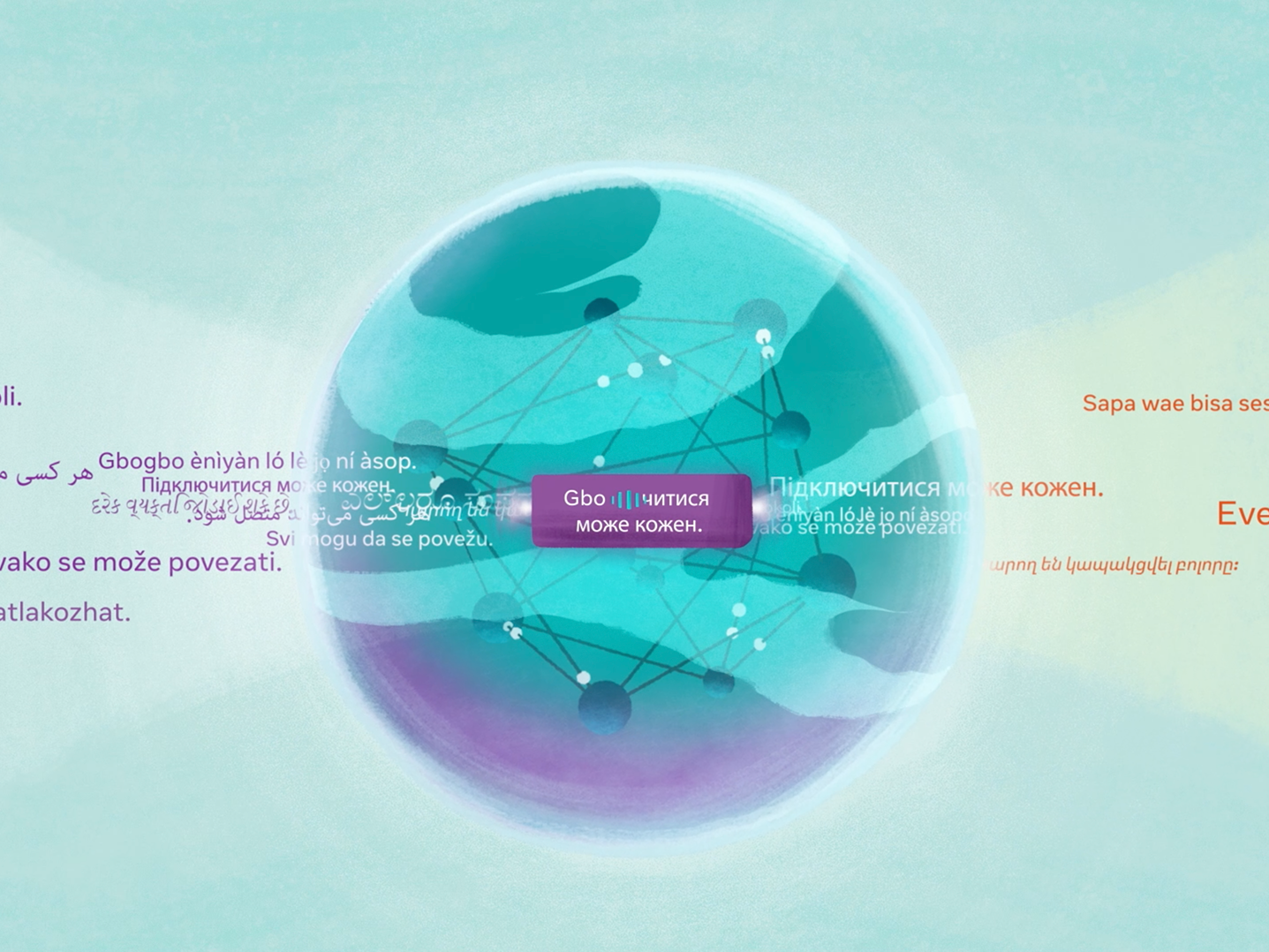
The Strategy: "Naive" as a De-escalation Tool To mitigate this intrusive feeling, I made a deliberate strategic choice to adopt a "Naive/Hand-drawn" aesthetic.
Visual De-escalation: By utilizing organic brushstrokes, soft color palettes, and unassuming character proportions, I stripped away the cold, mechanical nature of the hardware.
Framing the AI: This low-fidelity style successfully reframed the AI from a "cold observer" to a benign, helpful, and human-centric companion. It signaled safety and warmth, lowering the viewer’s psychological defenses and fostering trust.
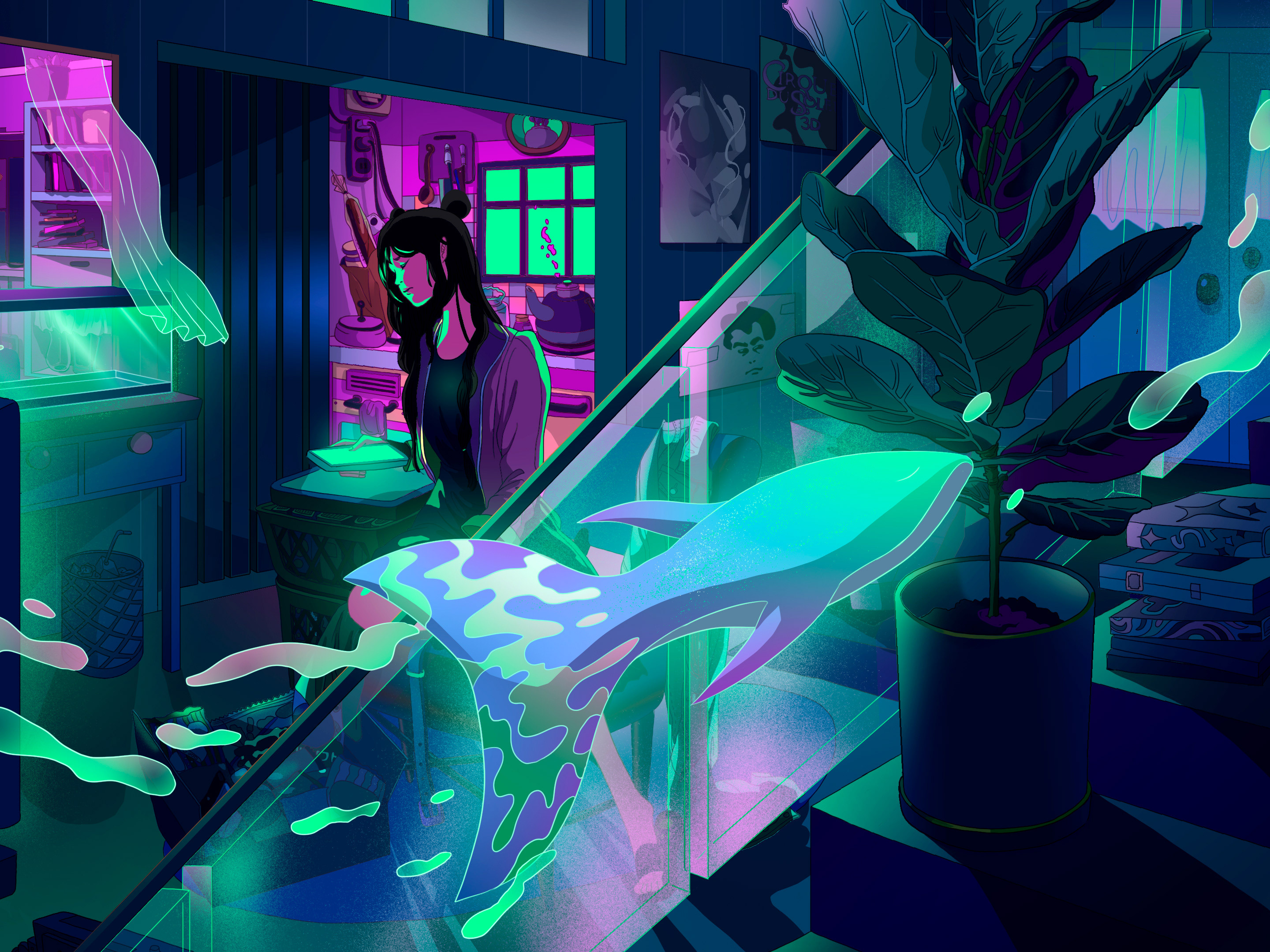
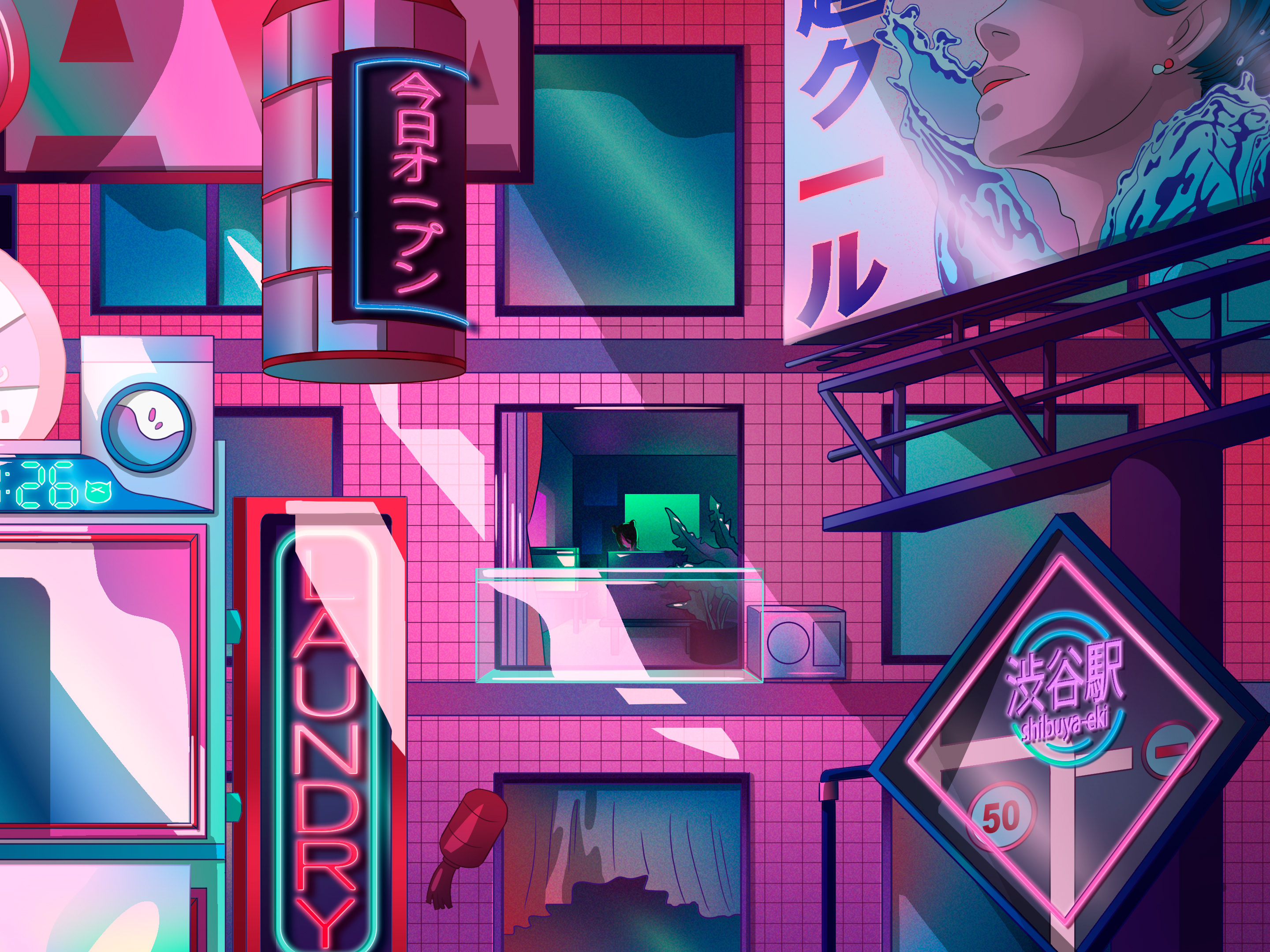
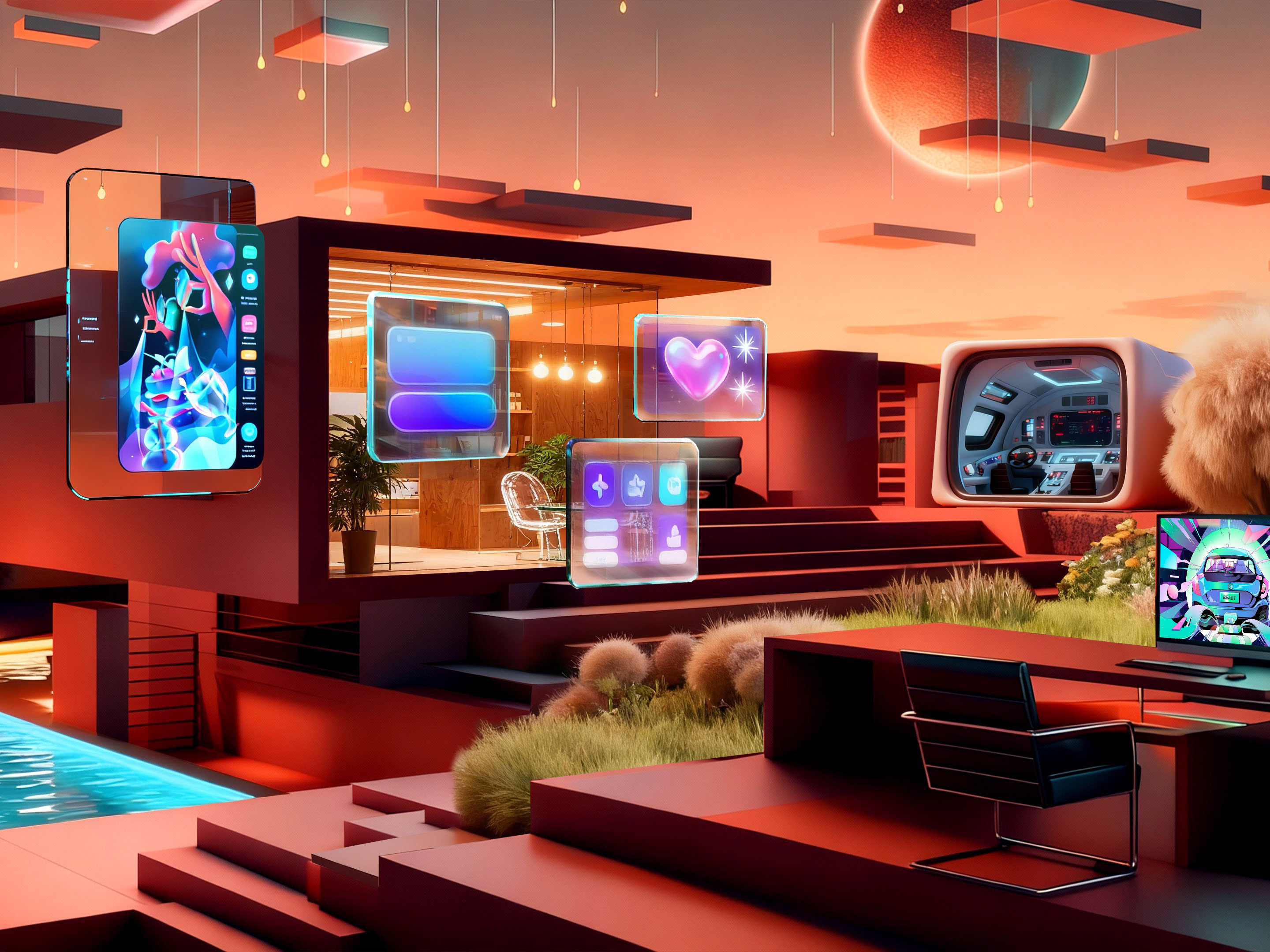
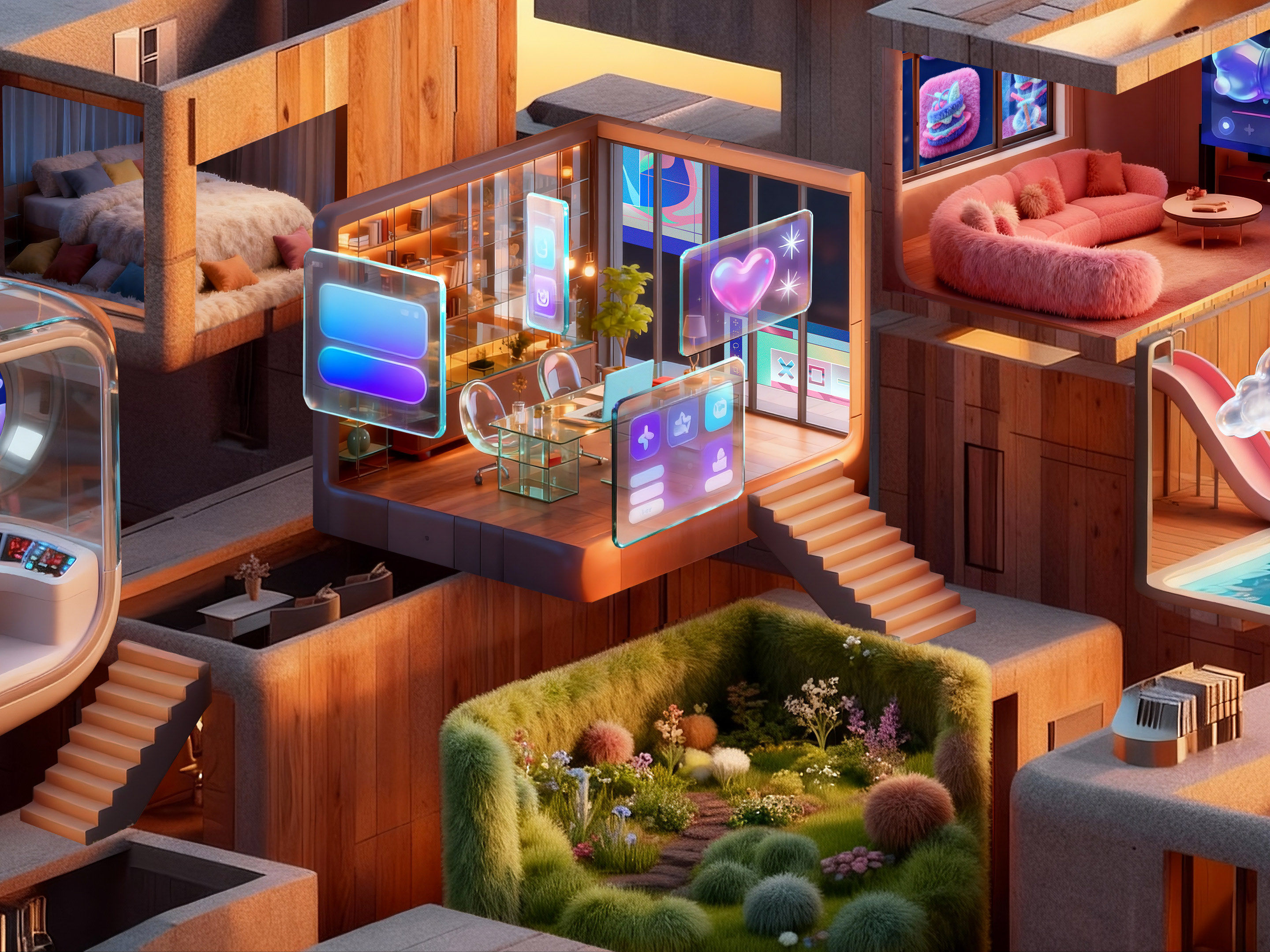
Evolution of the Narrative (2021 vs. Today) This approach reflected the specific industry context of 2021, where the priority was building trust and safety in emerging tech. In contrast to today’s (2025+) trend of Hyper-realism and Glassmorphism—which celebrate the power of AI—my work on Ego4D prioritized the human relationship with AI, proving that visual style can effectively bridge the gap between user fear and acceptance.
Visualizing the Abstract Concepts
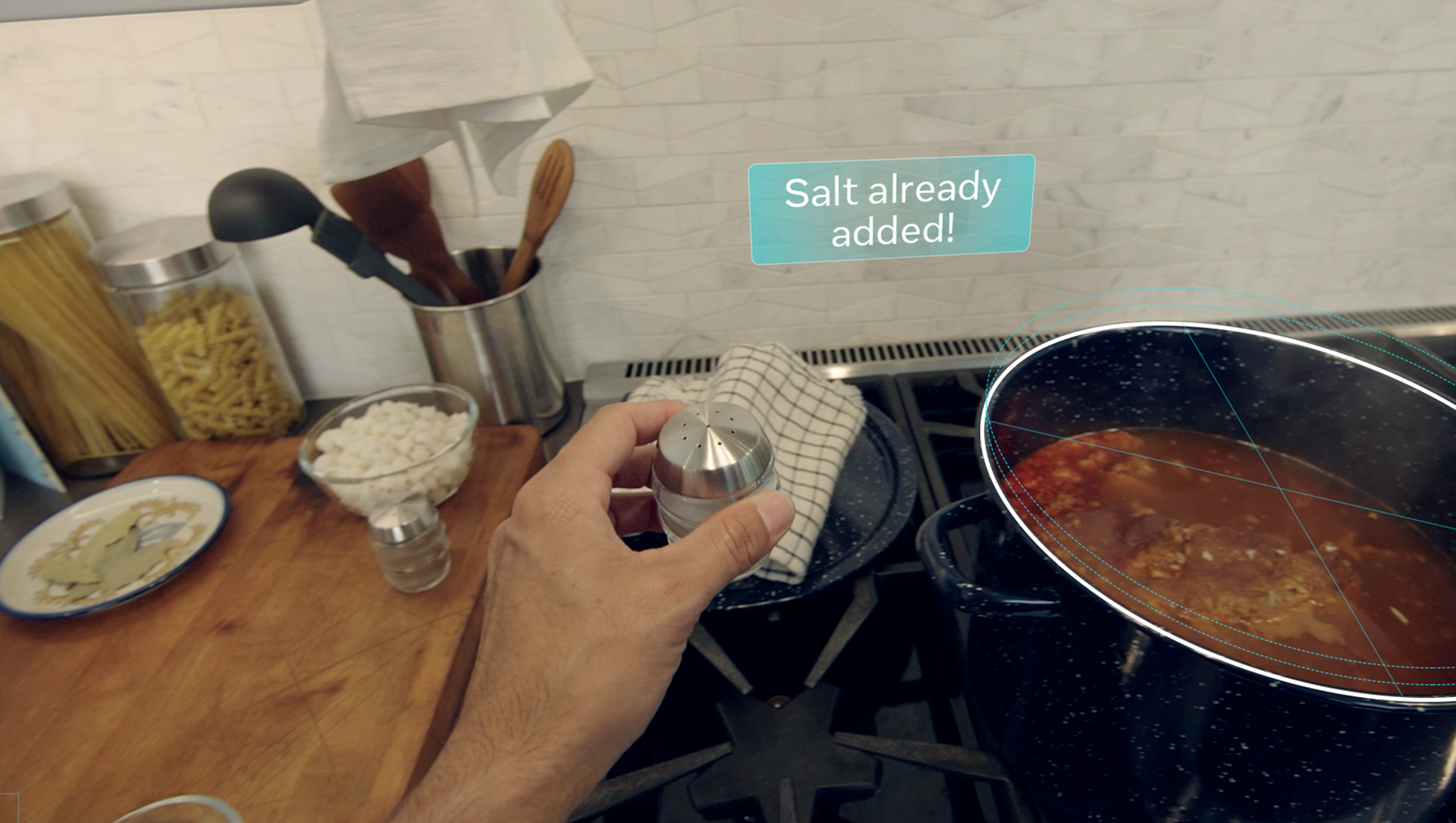
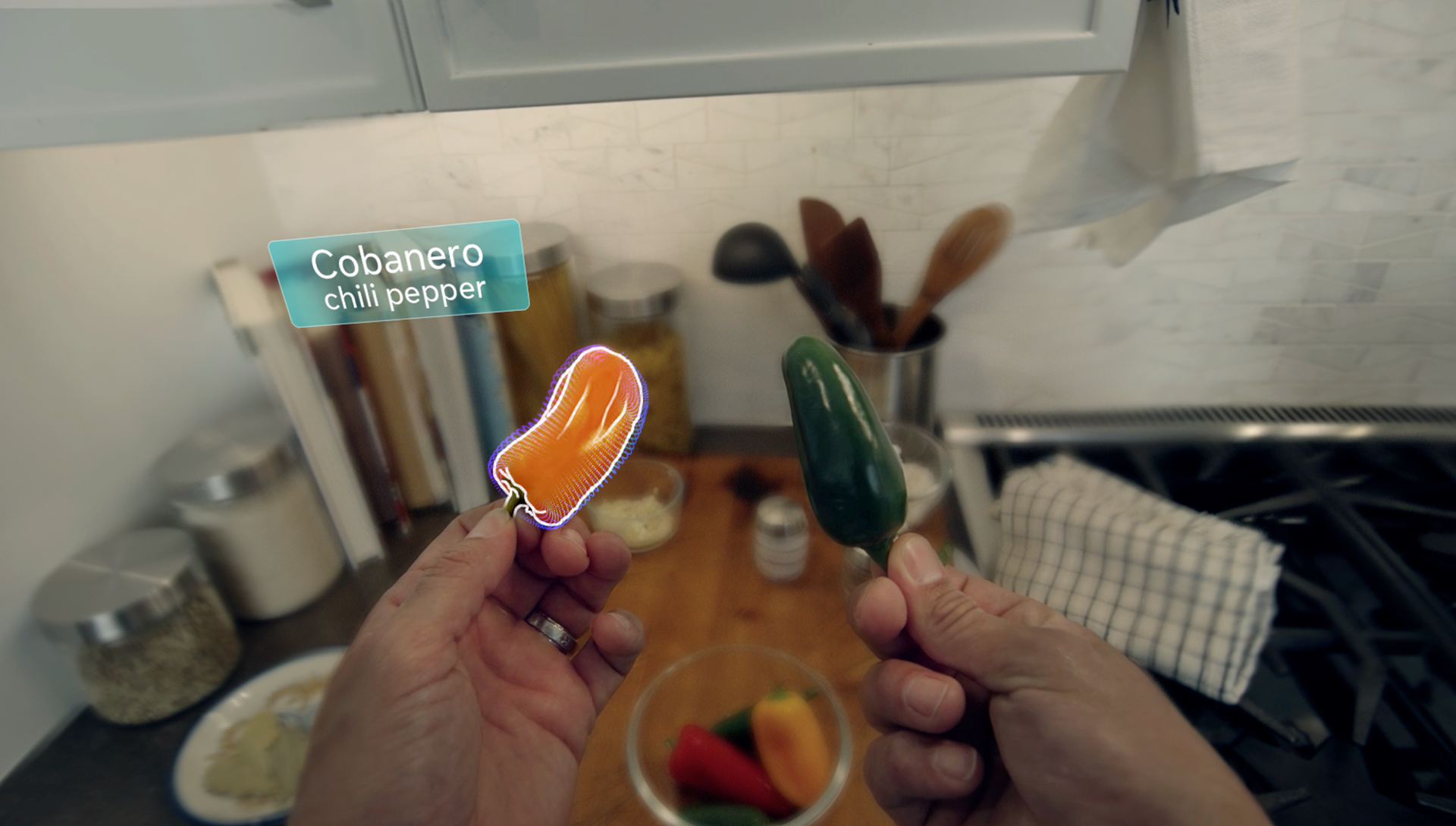
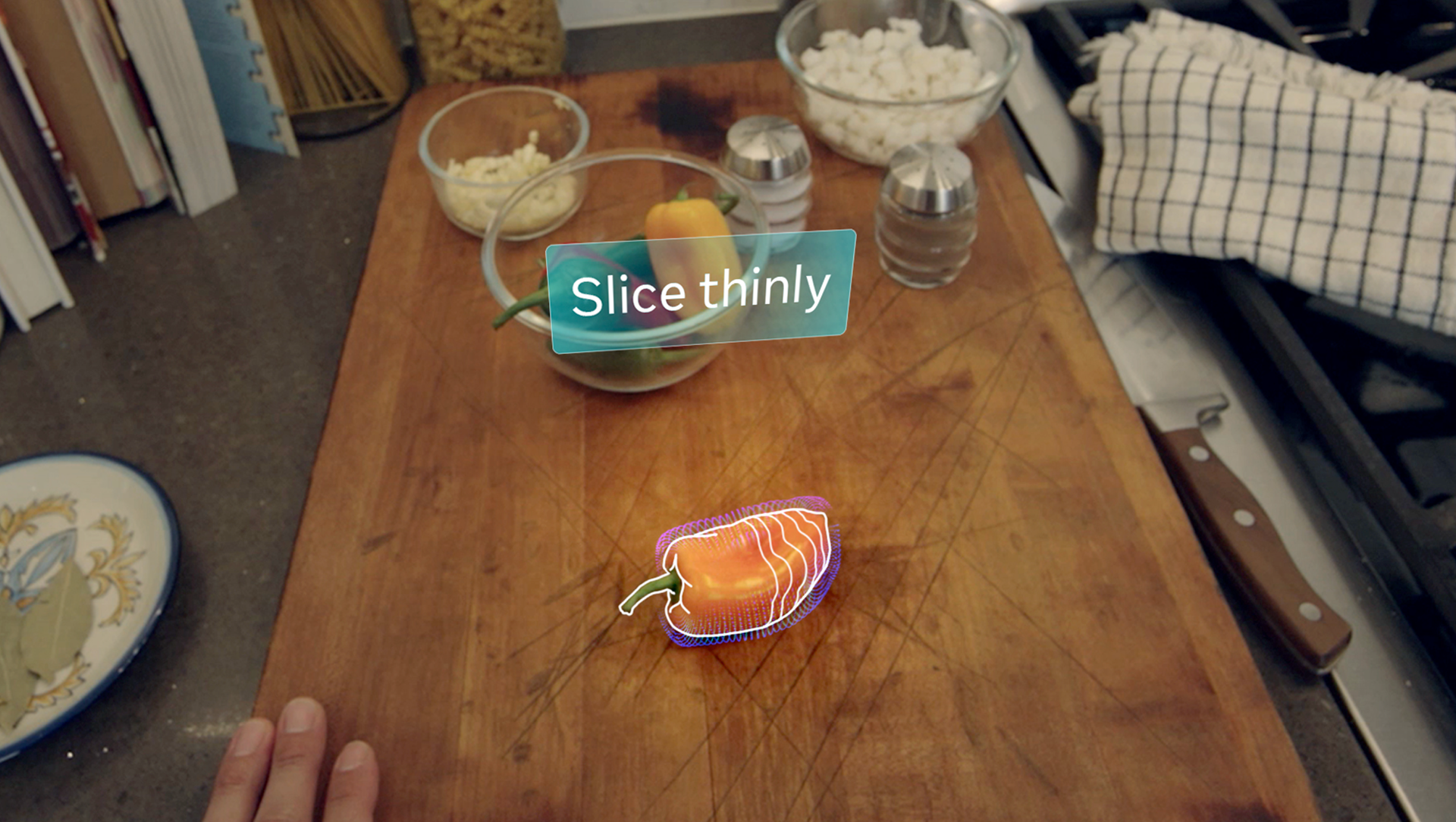
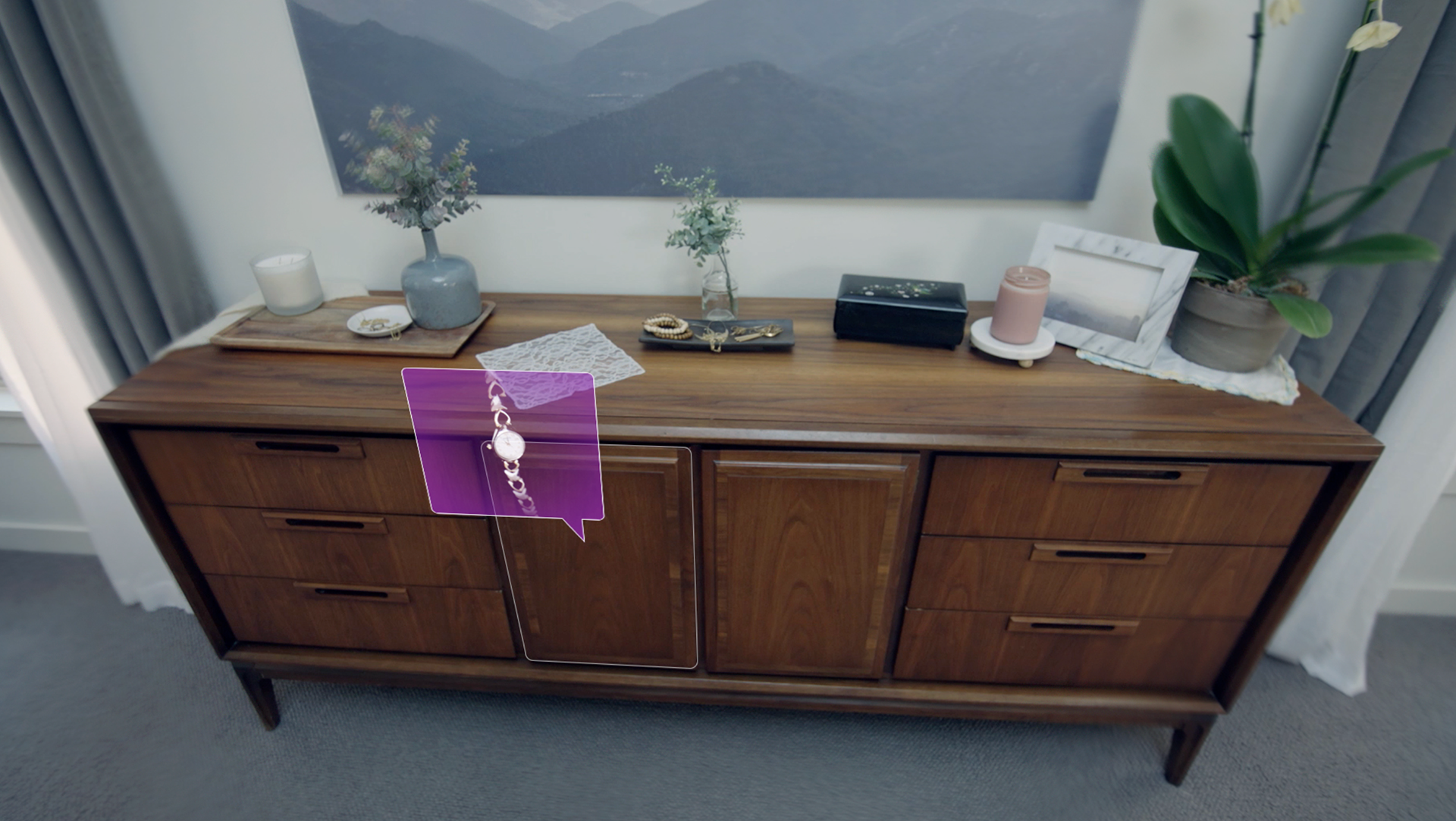
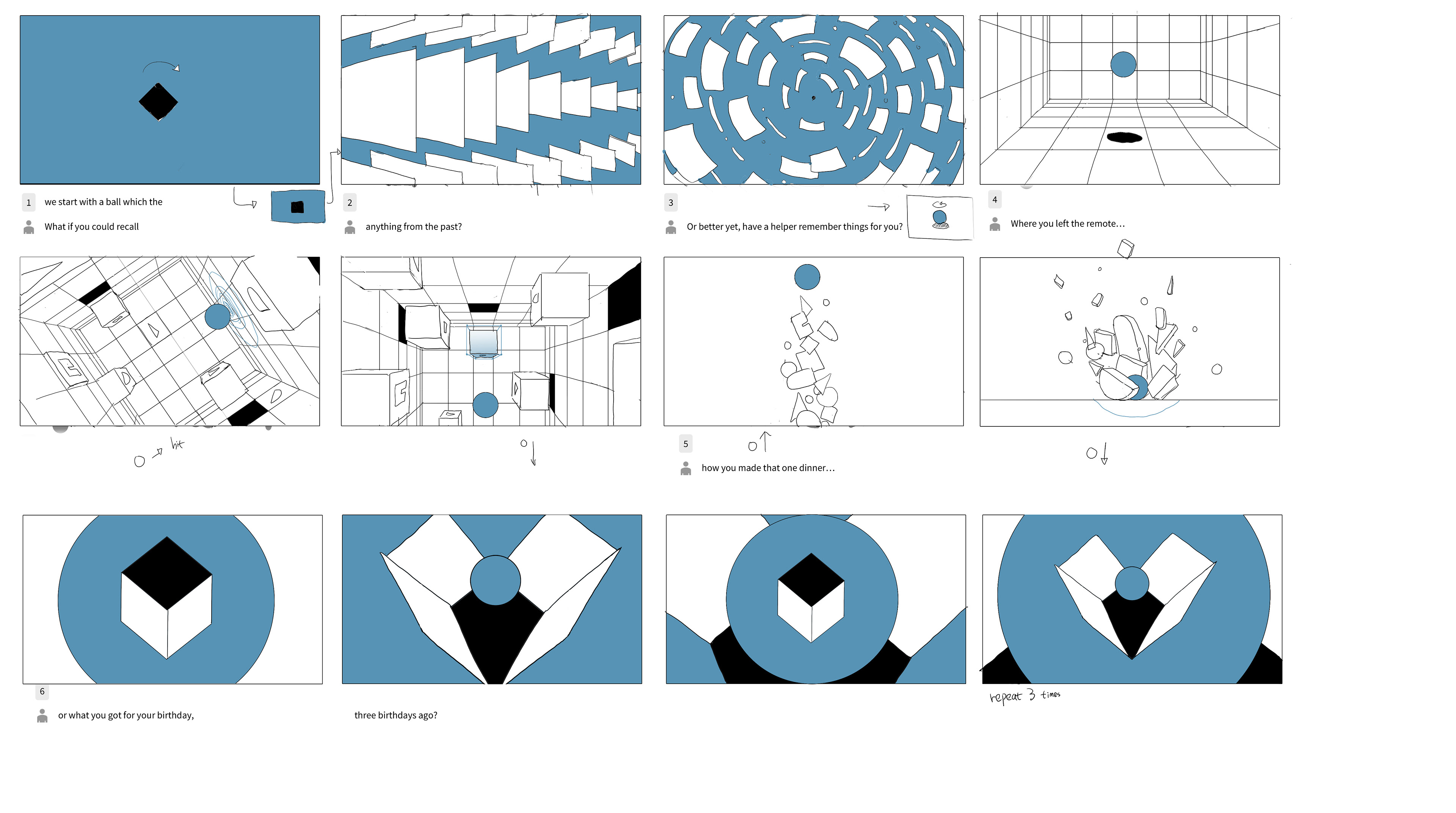
Because Ego4D deals with complex, abstract AI research concepts (like Episodic Memory and Forecasting), the storyboard played a crucial role in "translating" technology into relatable life scenarios.
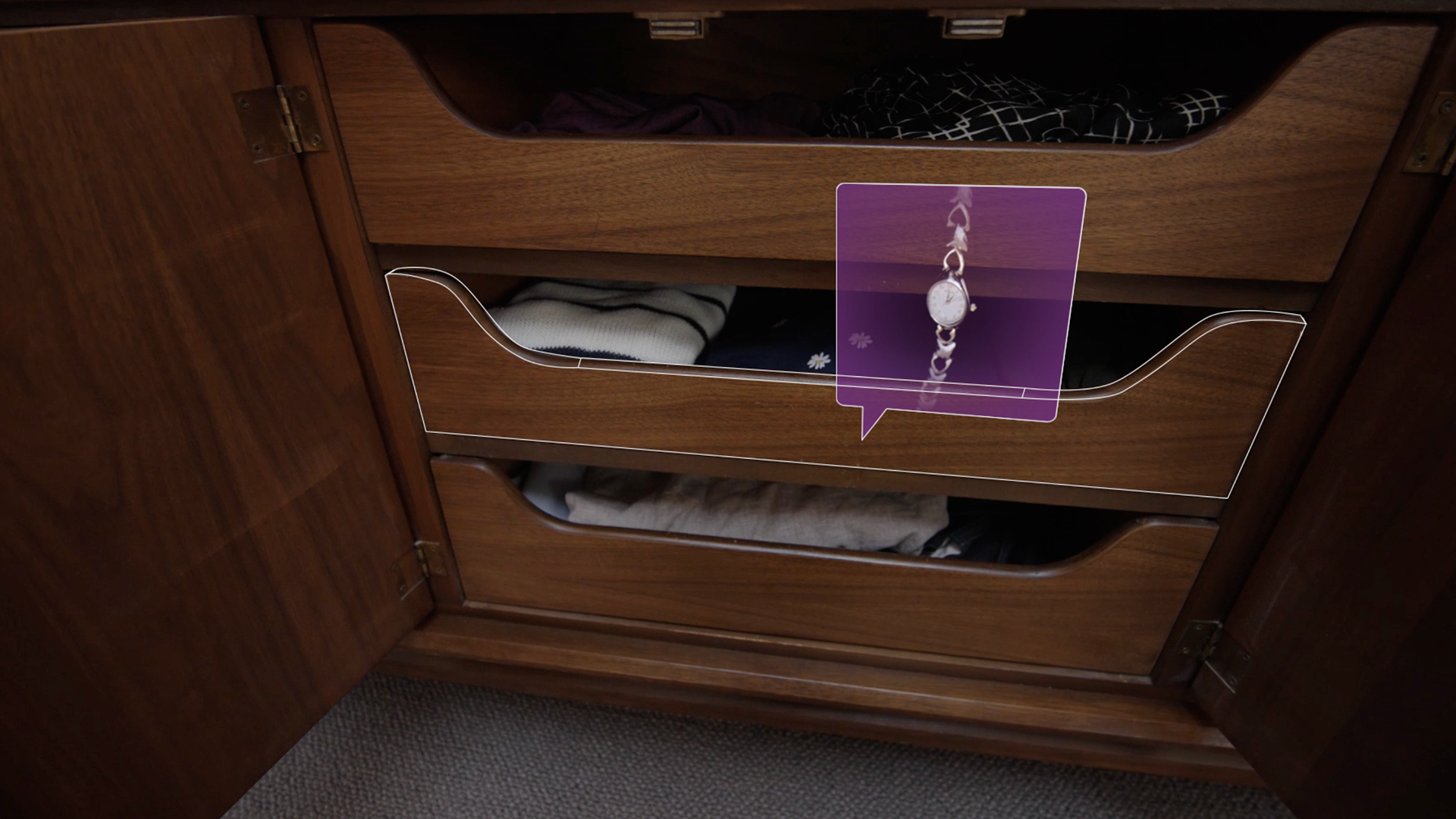
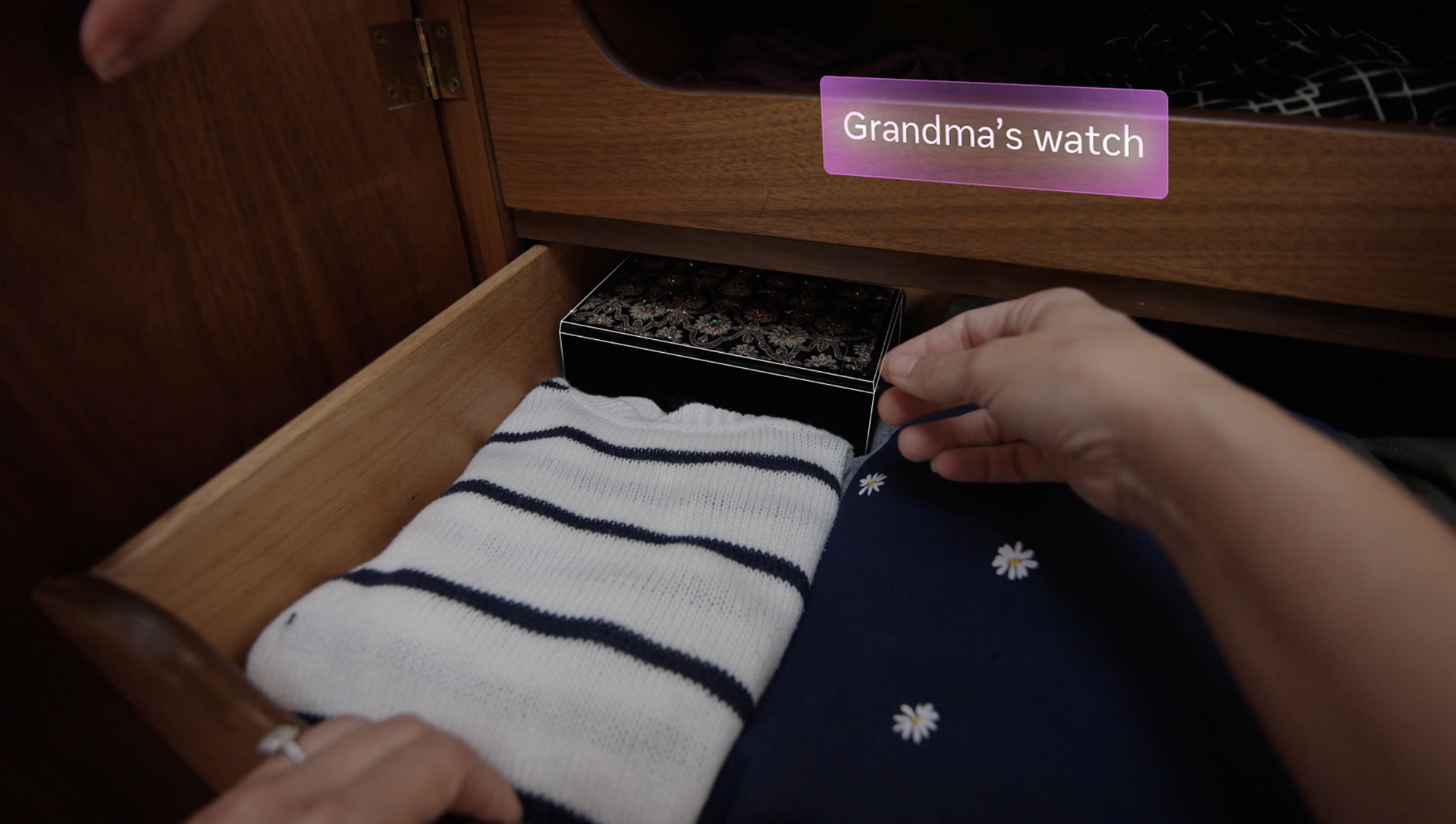
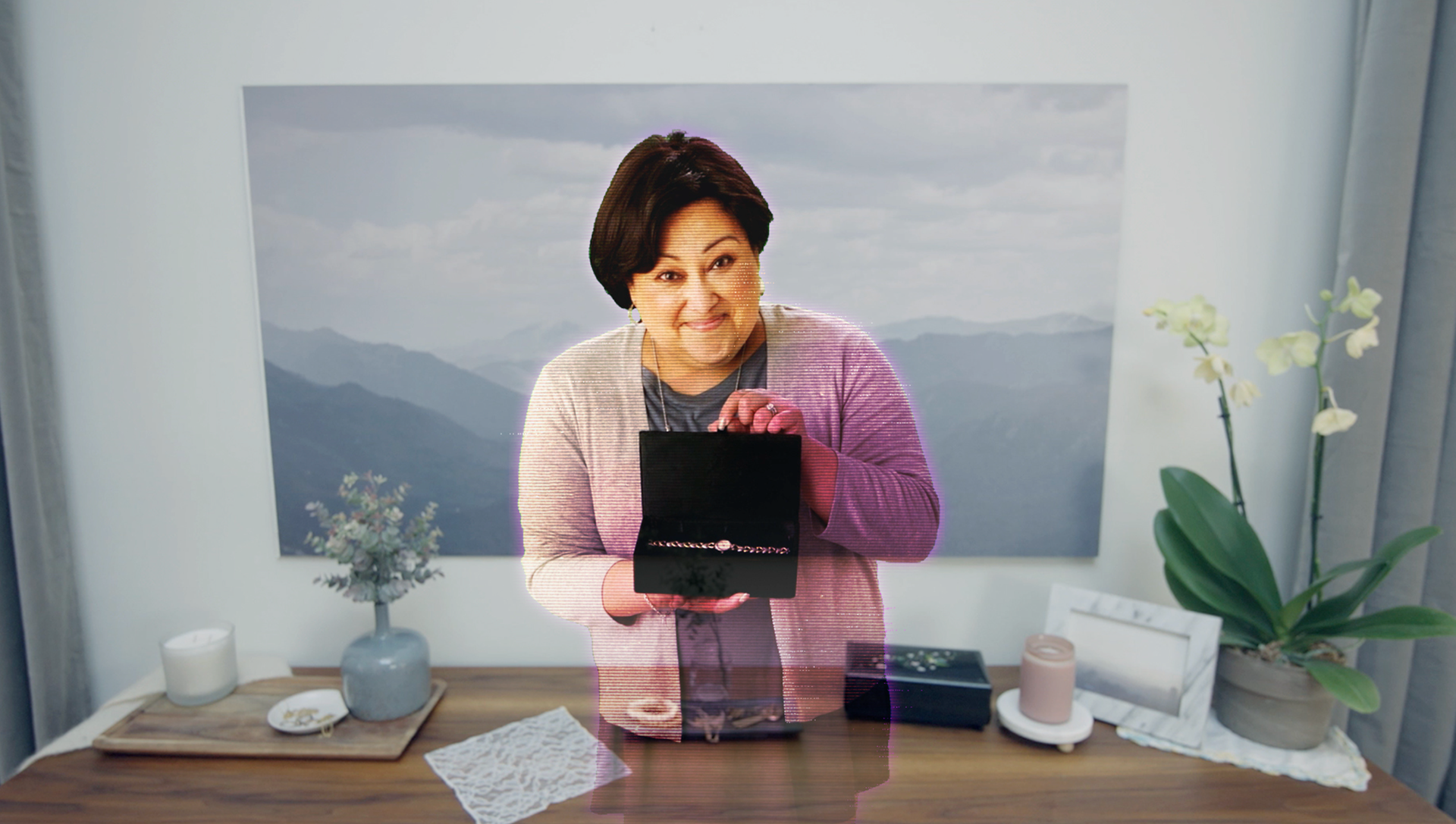
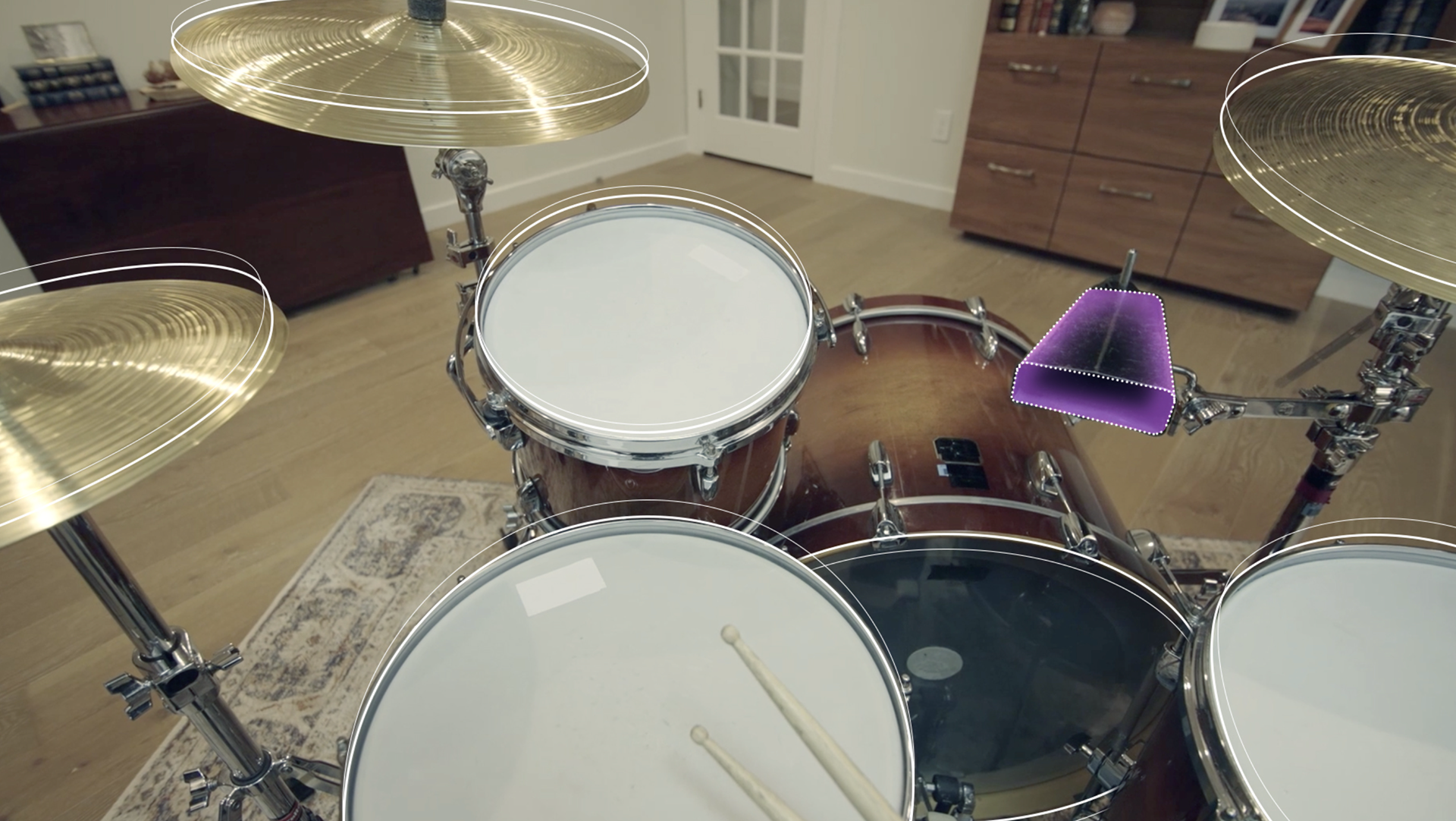
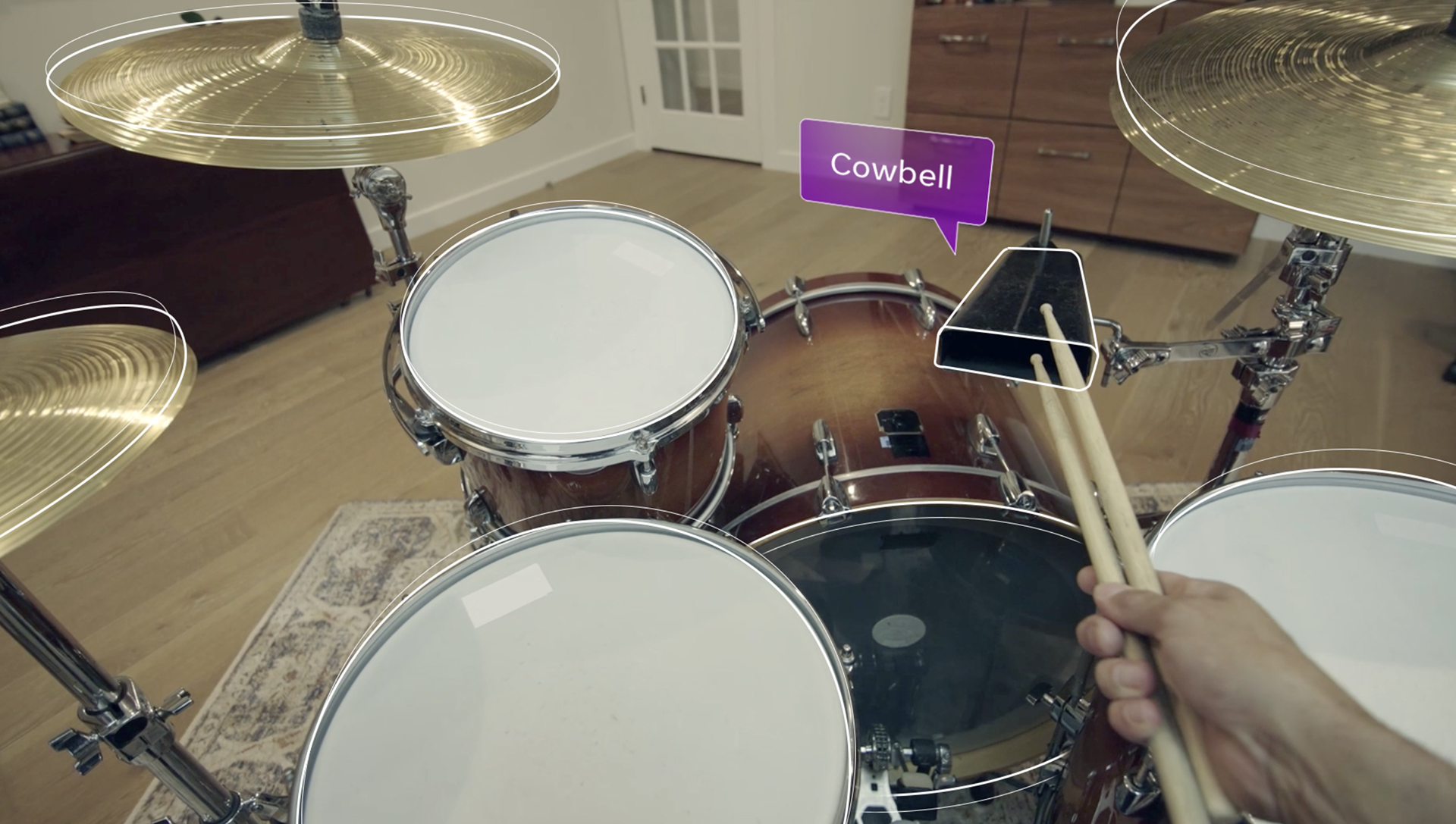
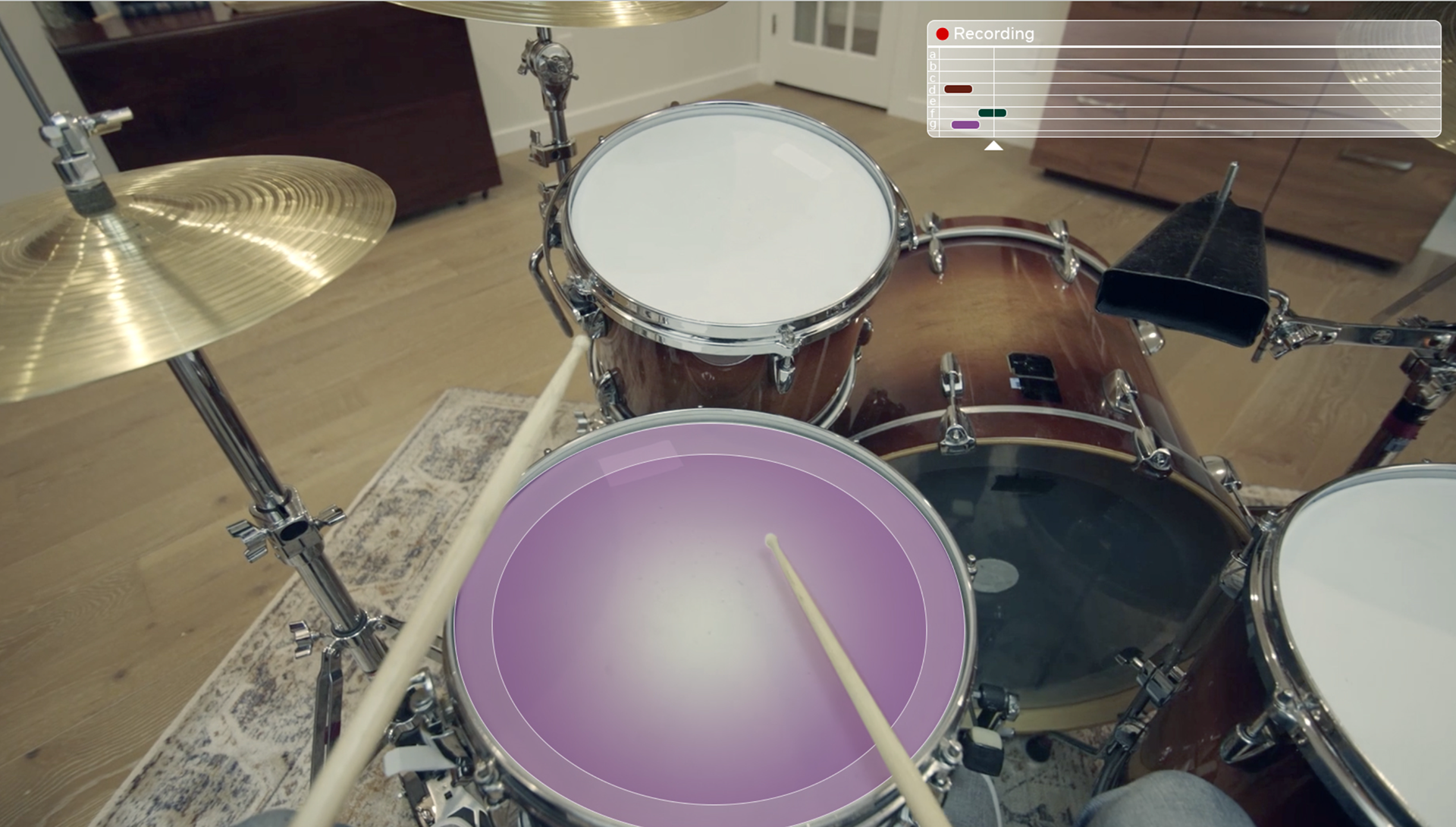
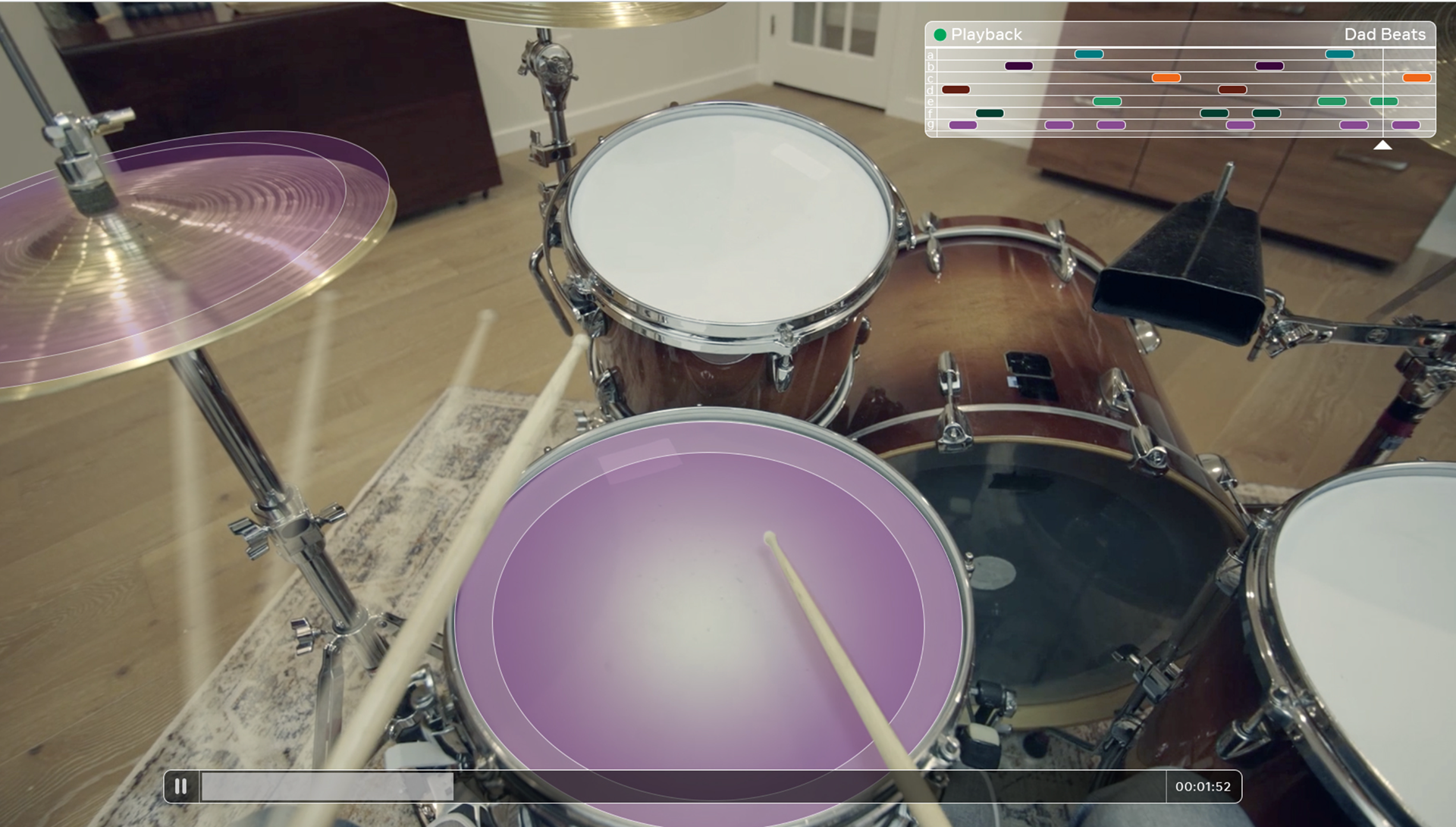
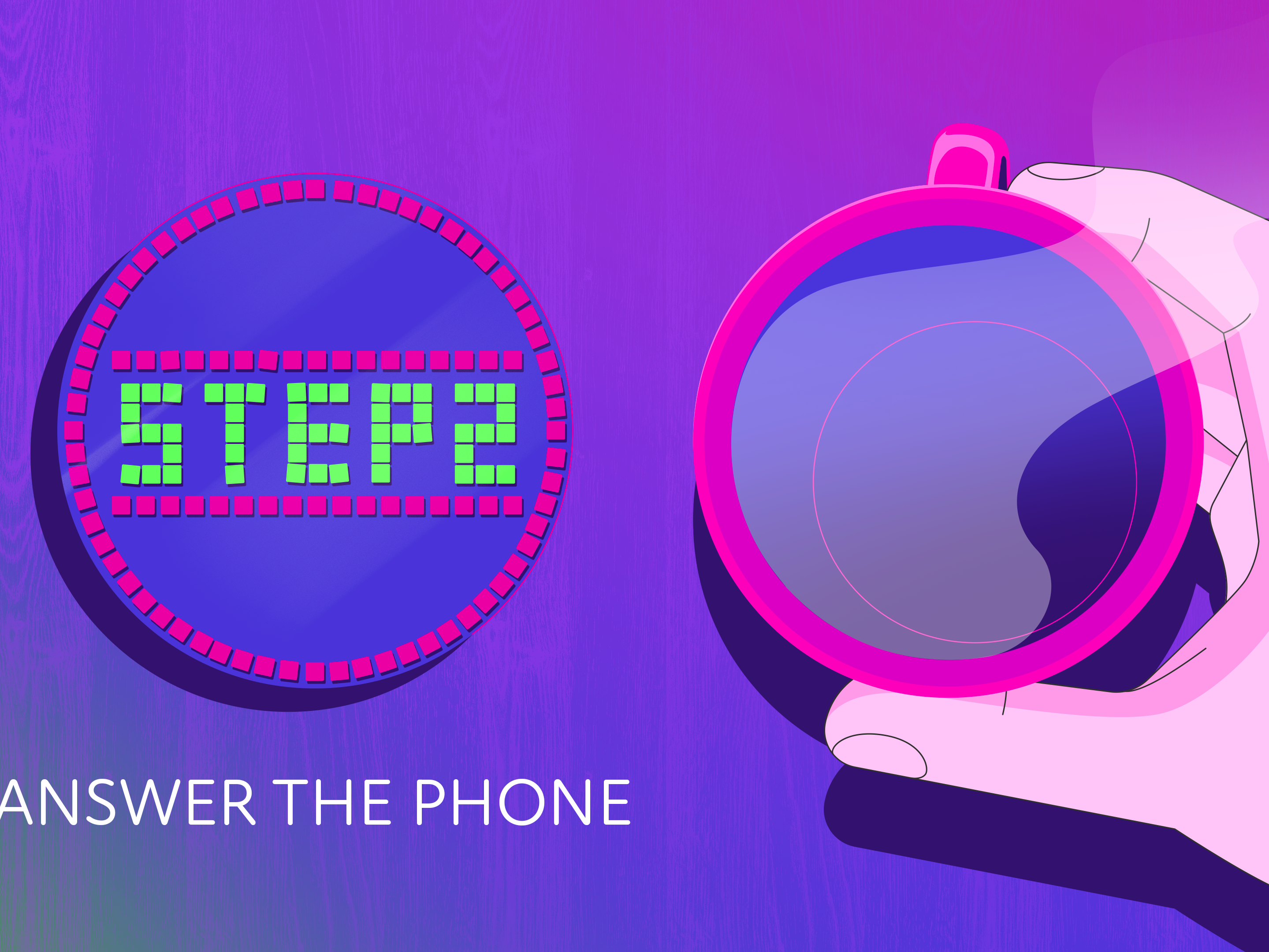
Function: I converted technical benchmarks into human stories—such as translating "Episodic Memory" into the universal experience of "searching for lost keys," or "Hand-Object Interaction" into a drum lesson.
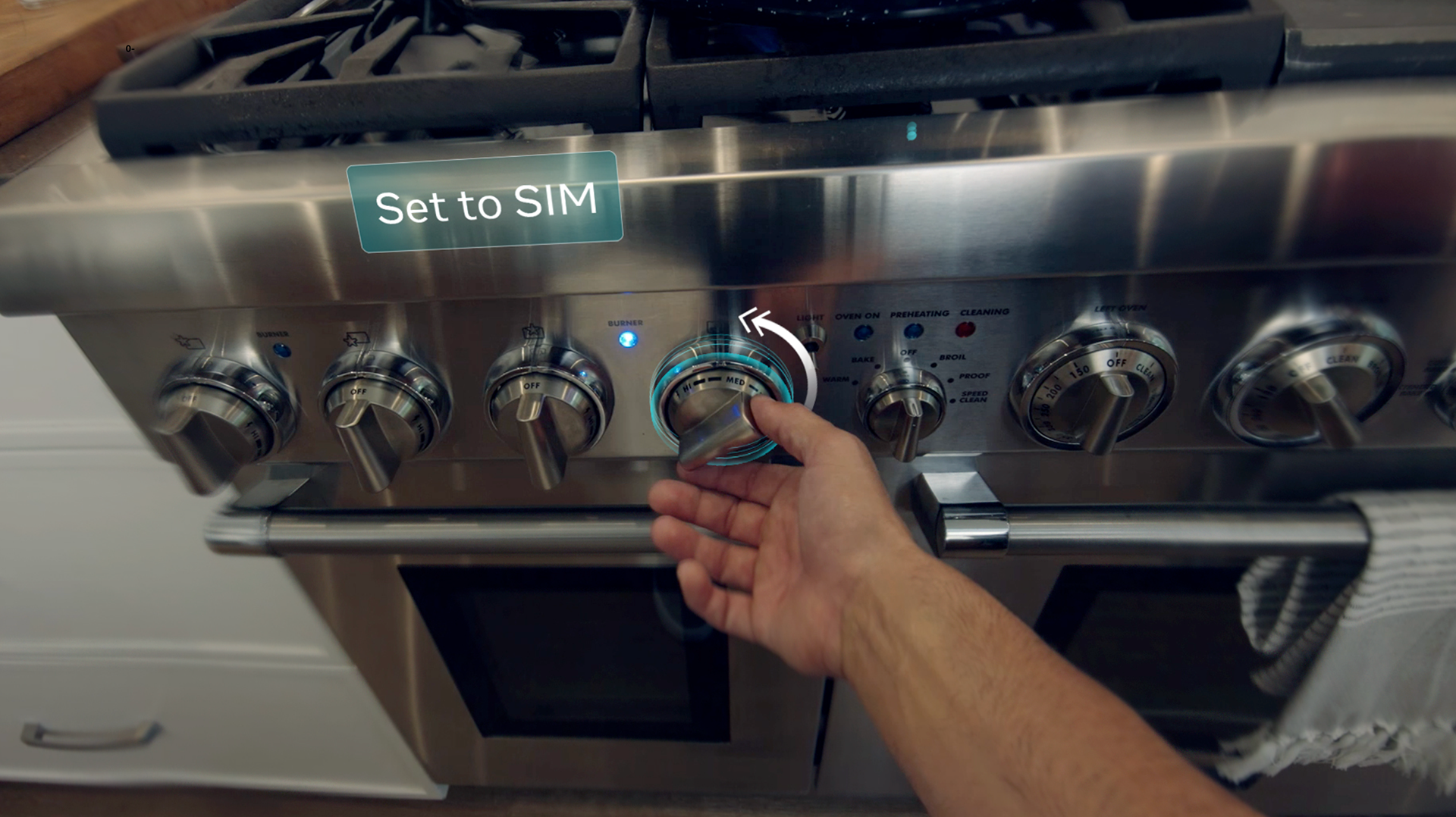
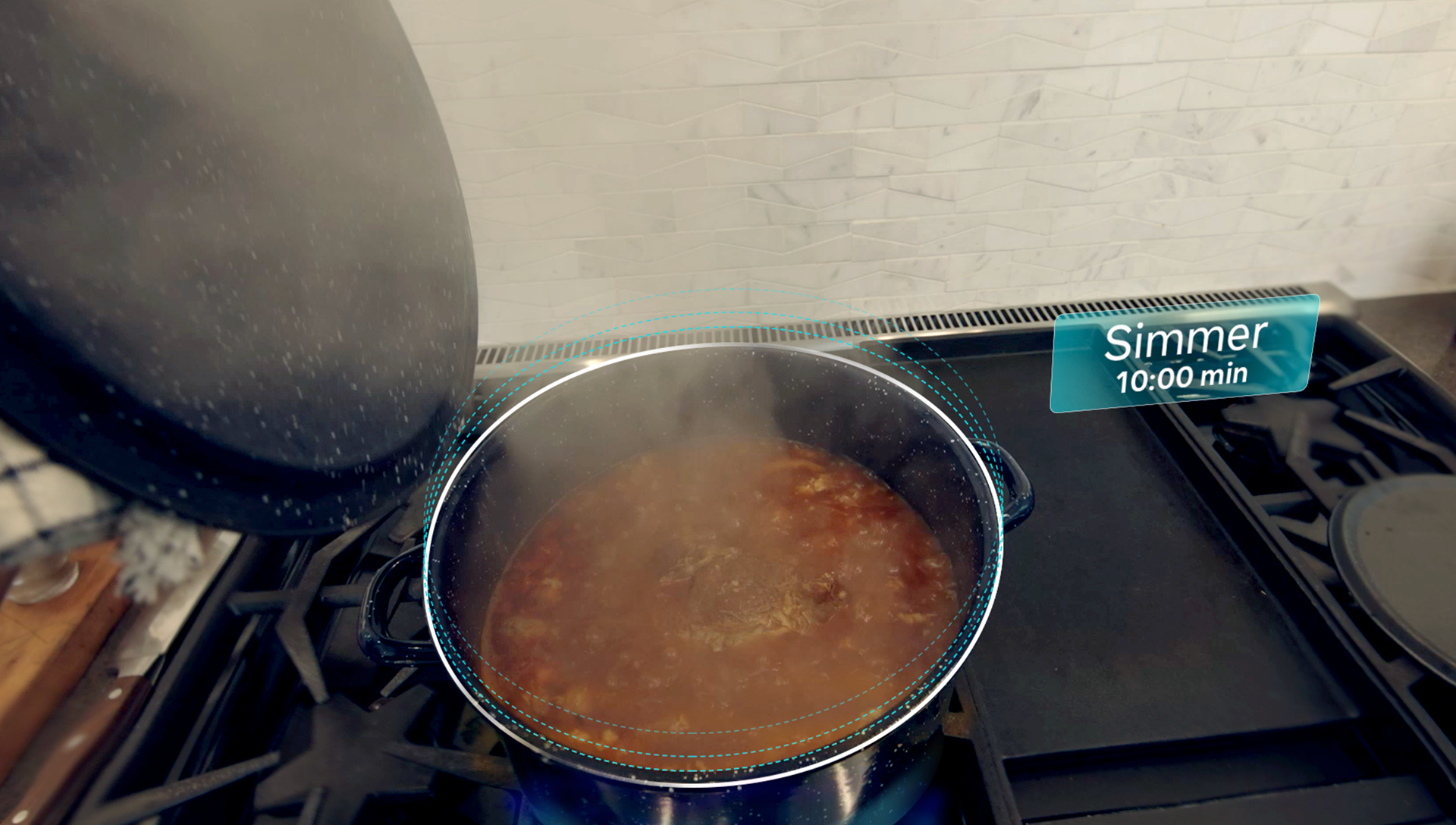
Narrative Planning: This section demonstrates how I planned the shot transitions and utilized the First-Person POV (Point of View) to simulate exactly what the AI sees, establishing the narrative rhythm of the animation.
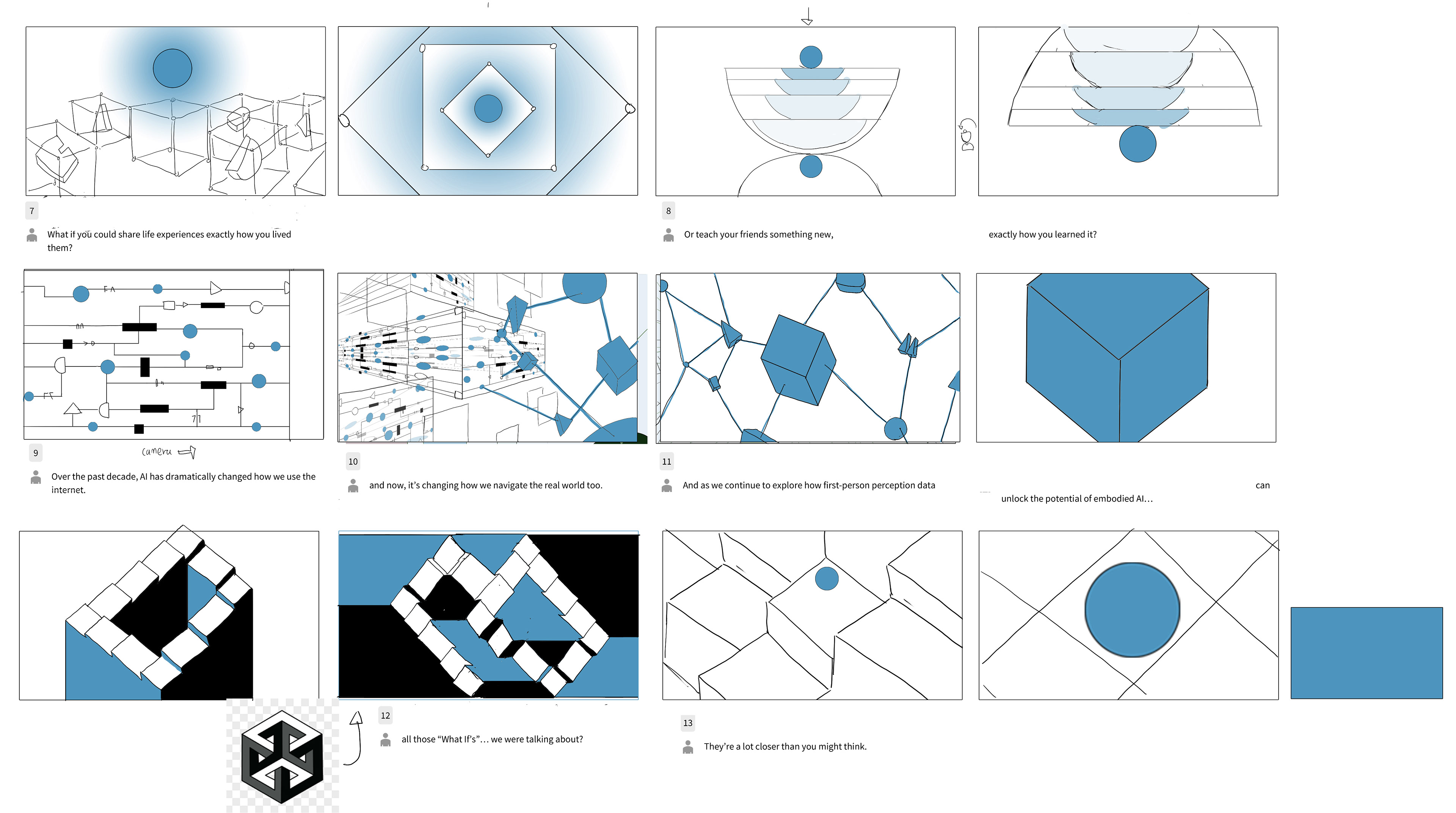
Humanizing Tech through Naive Art
Design Strategy: I deliberately adopted a "Naive/Hand-drawn" aesthetic to mitigate the intrusive feeling often associated with always-on cameras. By prioritizing organic brushstrokes, soft palettes, and non-threatening proportions, I strategically de-escalated the "surveillance" aspect of the technology. This visual language reframes the AI not as a cold observer, but as a benign, helpful, and human-centric companion, effectively lowering user defense mechanisms.