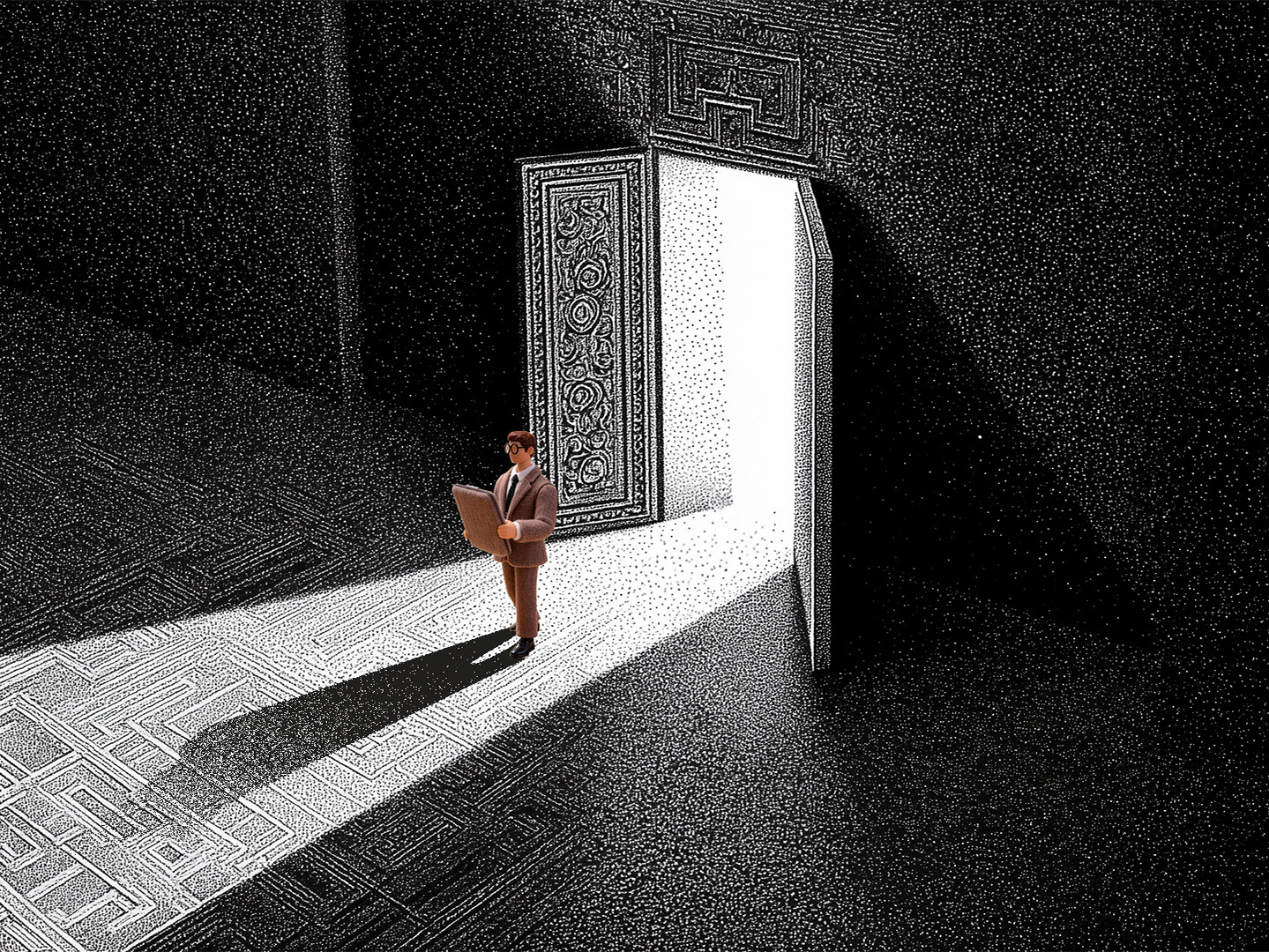
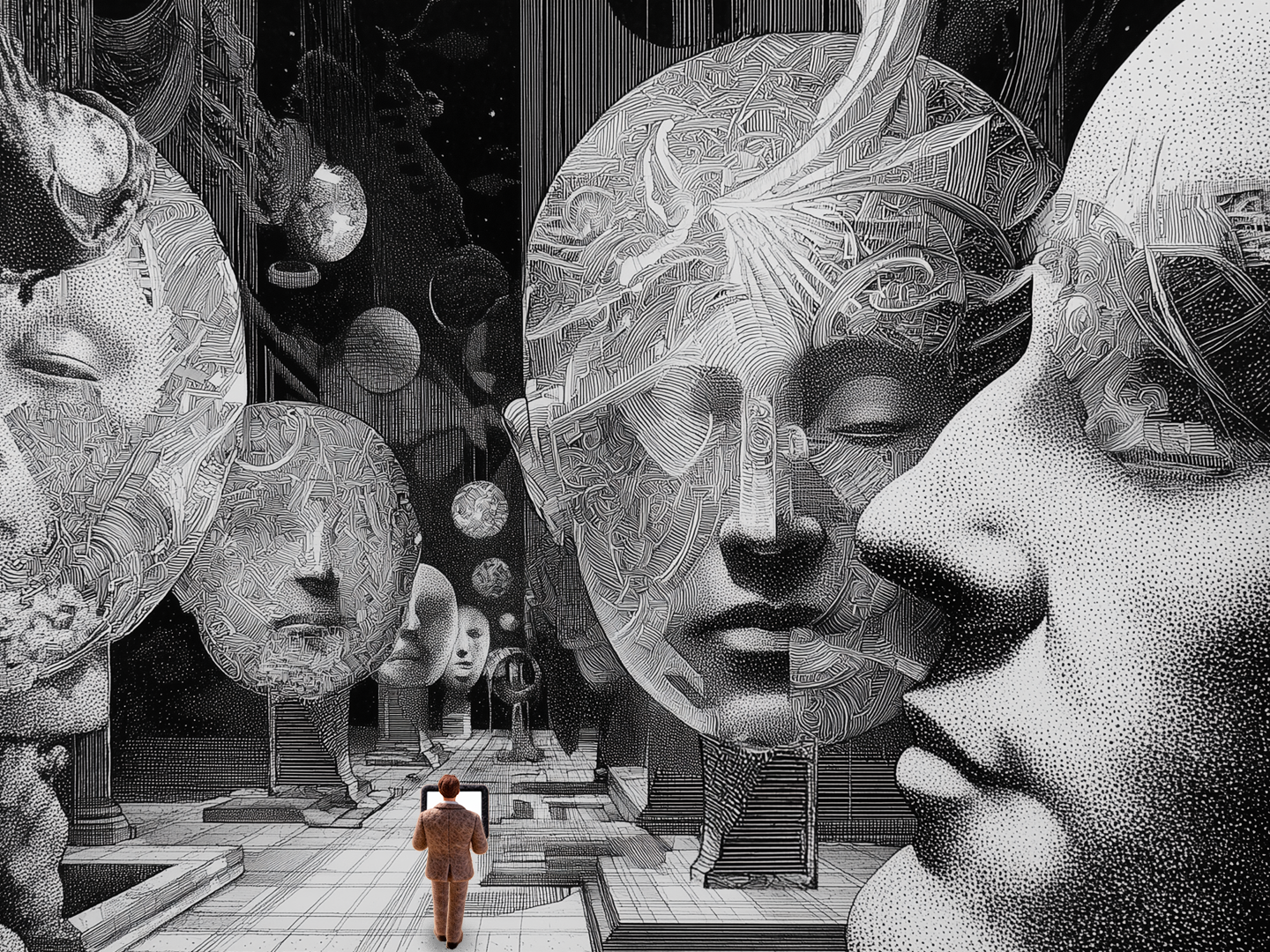
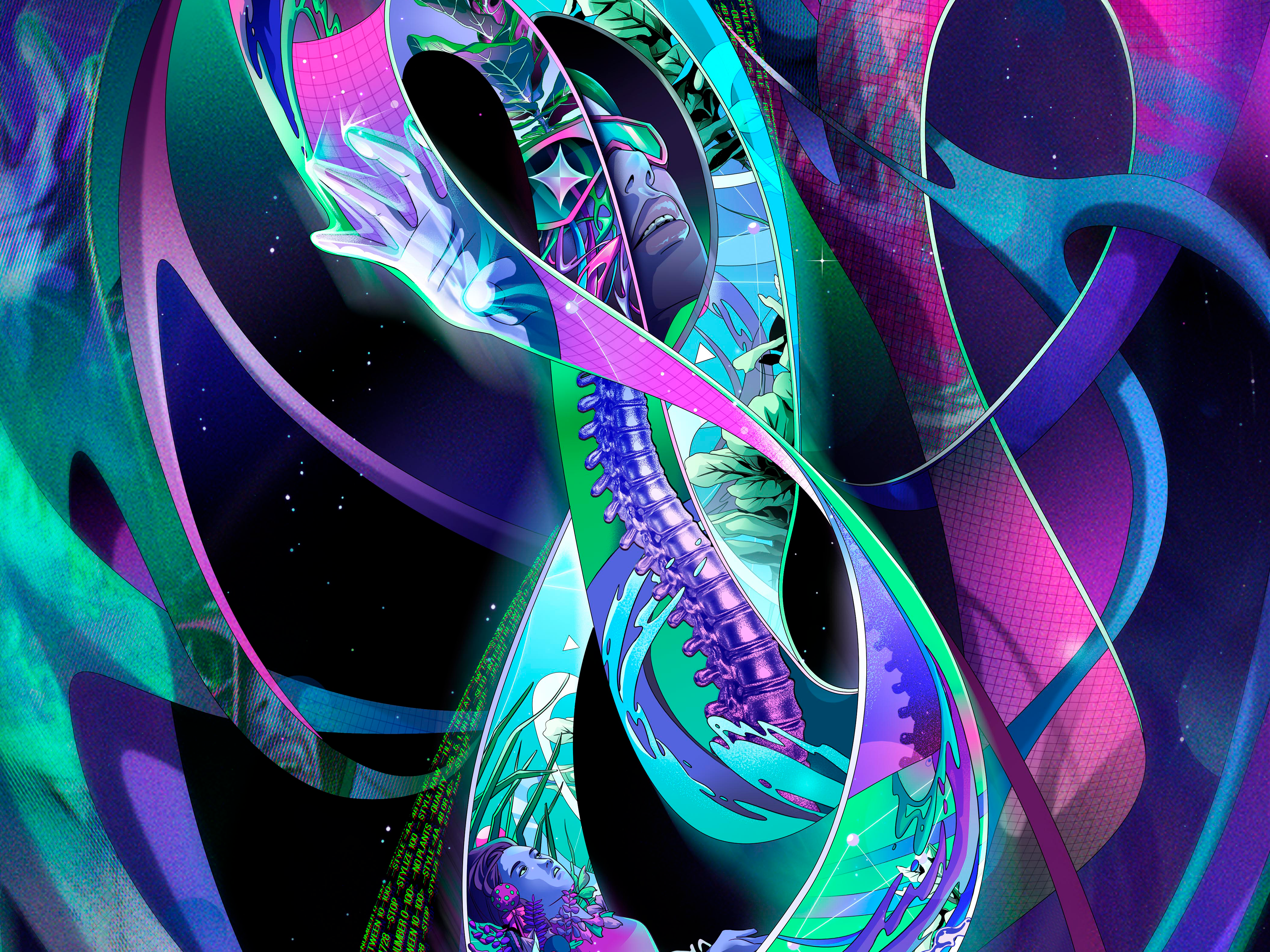
The Challenge: Can high-fidelity, studio-quality 3D visuals be created without opening 3D software? I set out to build a complex, isometric "neighborhood" aesthetic from scratch in under 4 hours.
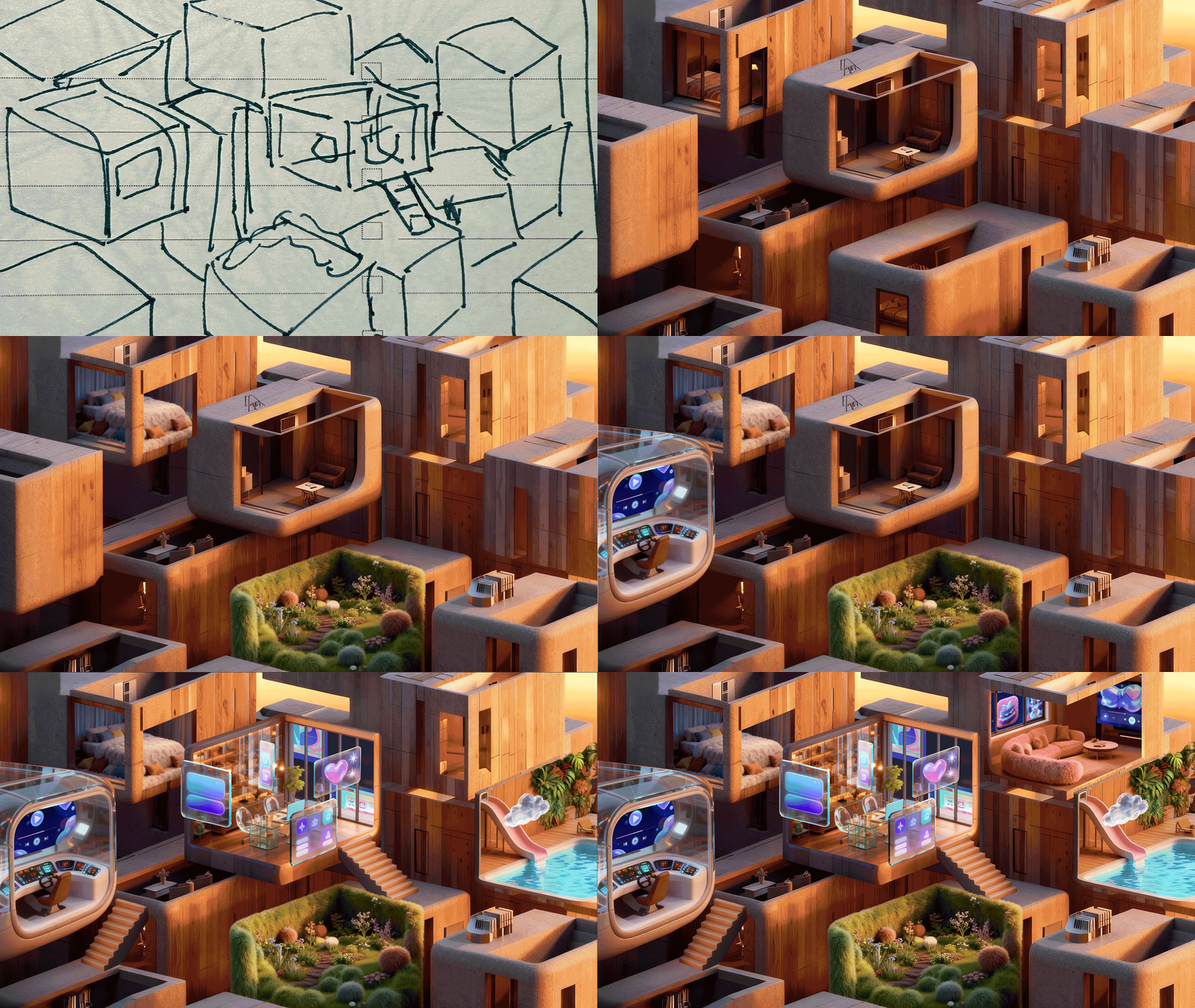
The Experiment: "Rooms" is an exploration of AI-augmented art direction. The goal was to bypass traditional modeling and rendering times while maintaining precise control over structure, lighting, and narrative details.
⚡ The Workflow:
1. Concept & Structure:
Each “room” functions as an abstract spatial scenario—a controlled environment where
form, light, scale, and material can be tested in isolation.
Architectural composition and camera logic
Material behavior (glass, metal, soft diffusion surfaces)
Atmospheric lighting and color temperature
Spatial depth and perceptual hierarchy
The goal is not photorealism, but coherent spatial logic and emotionally legible environments.
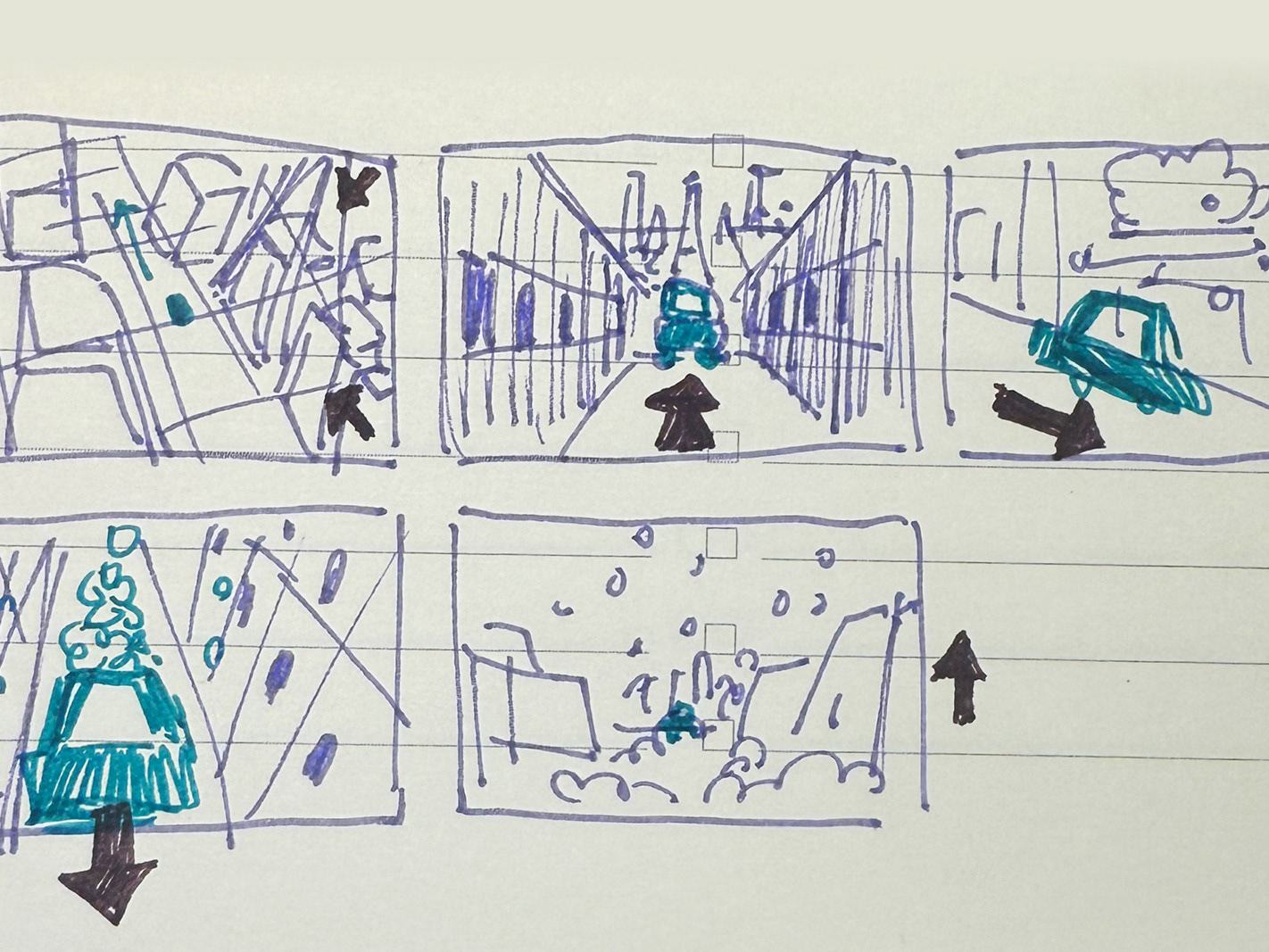
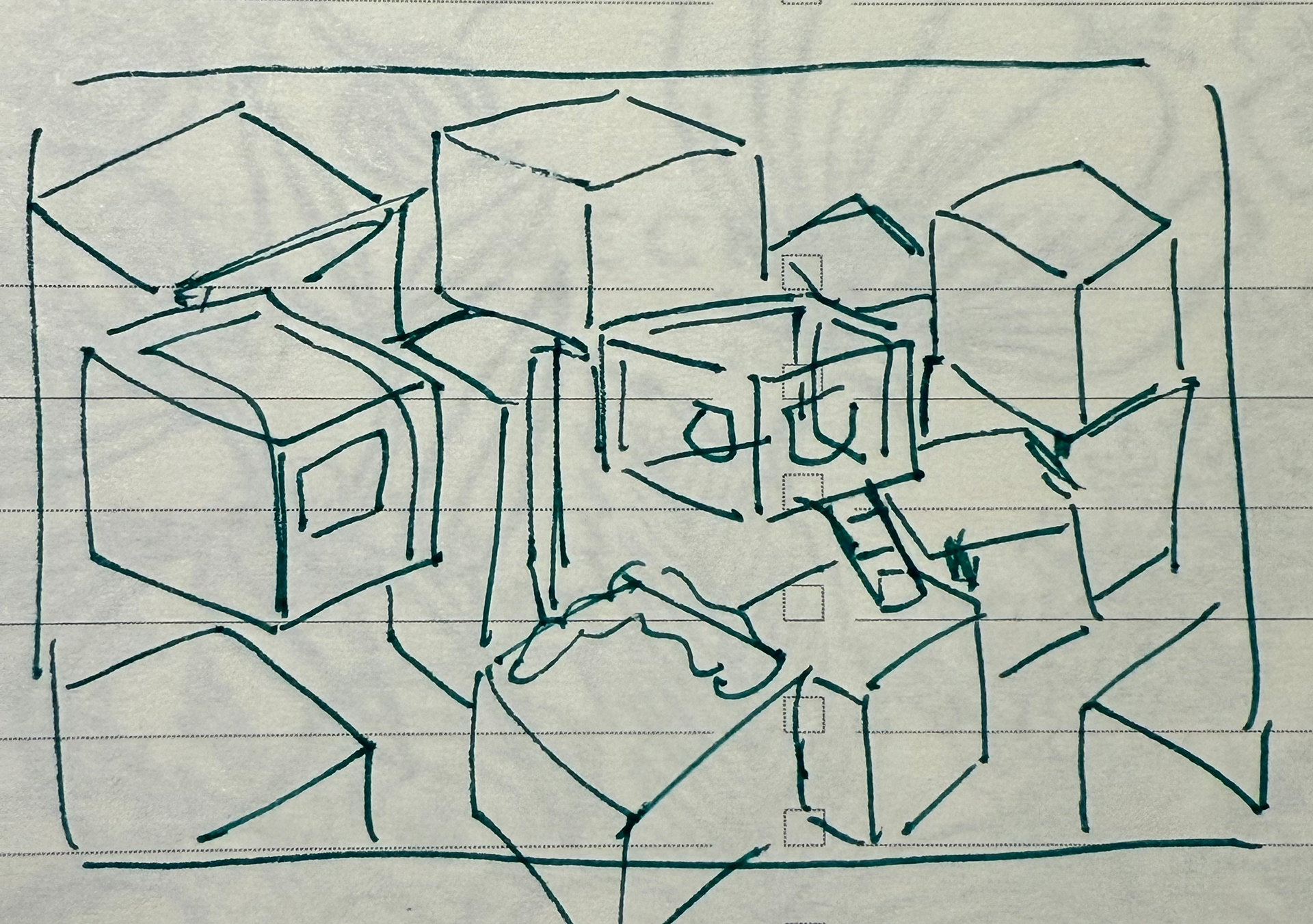
Instead of relying on existing renders, I started with loose napkin
sketches to define the composition and flow of the interconnected spaces.
This ensured the layout was original and intentional.
Napkin sketches:
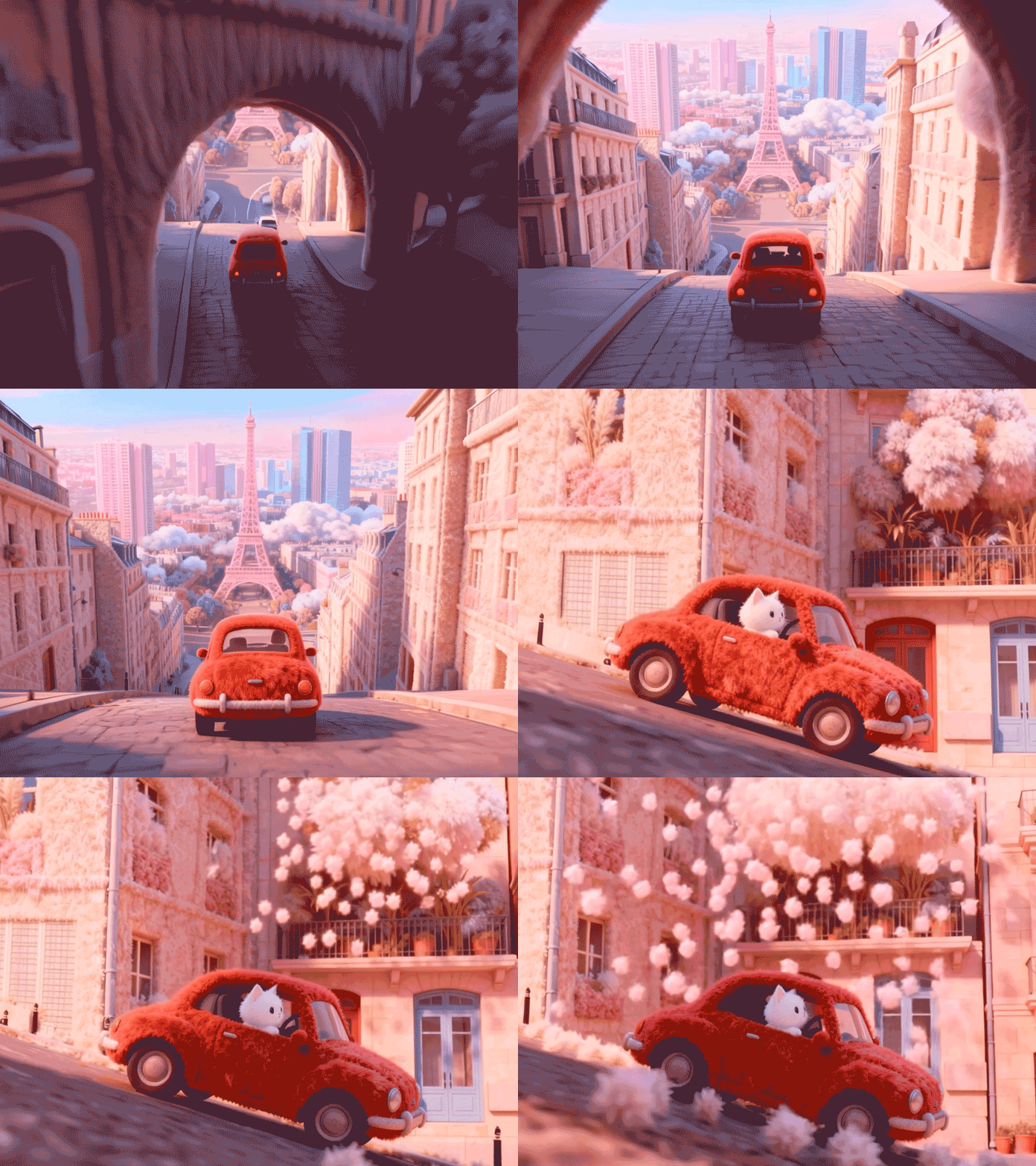
2. Base Gen: Midjourney for the foundation and lighting.
Give it to Midjourney with prompt
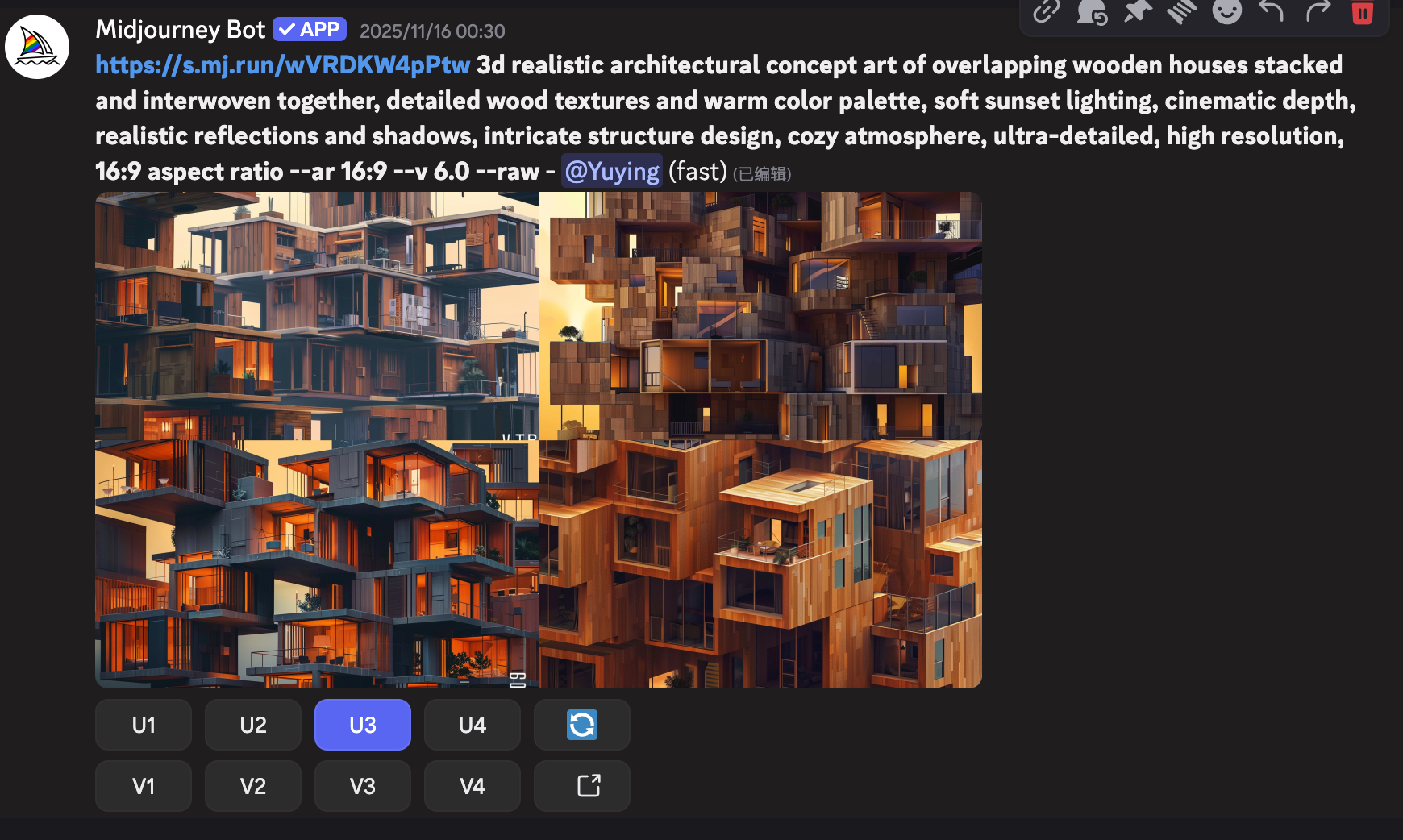
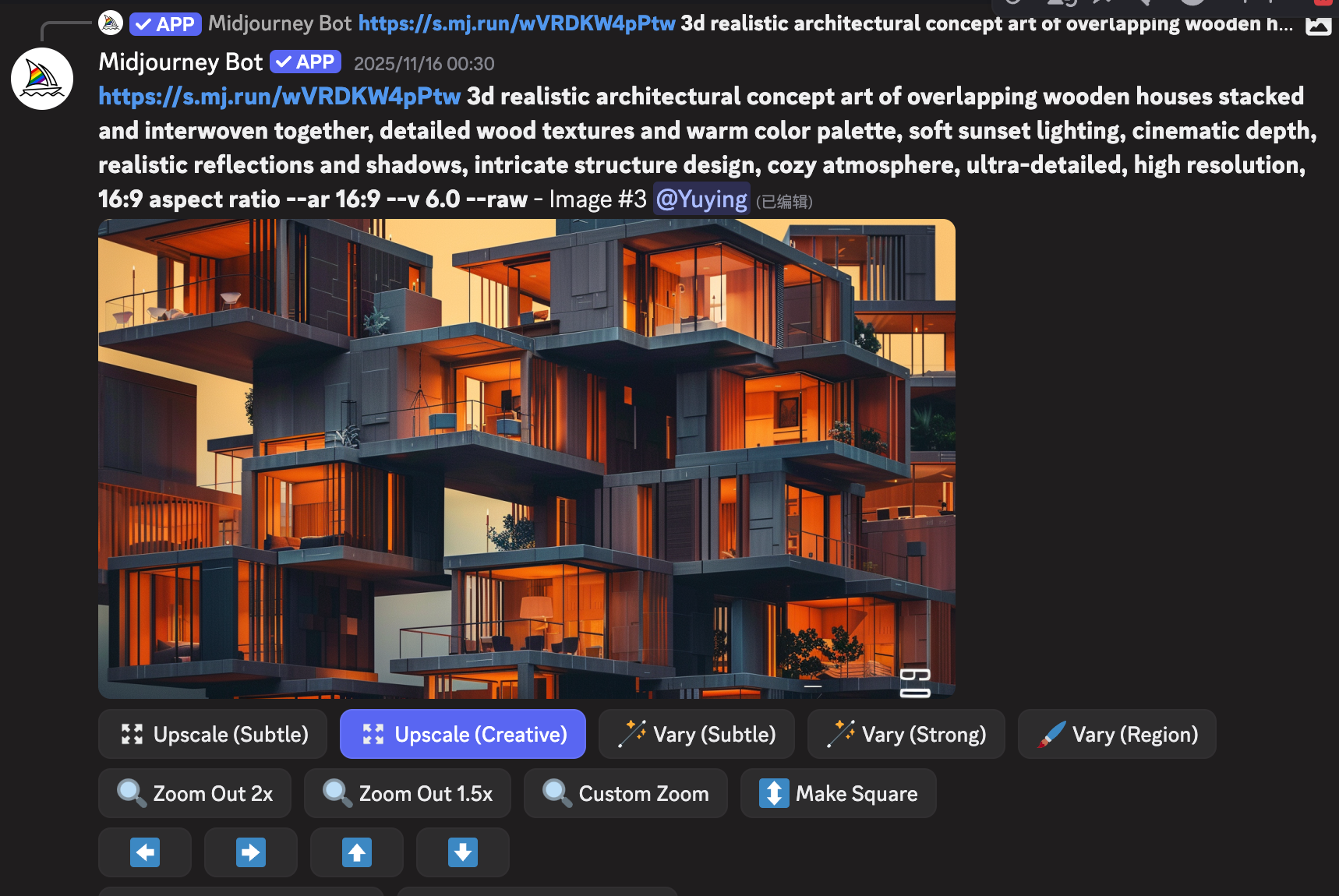
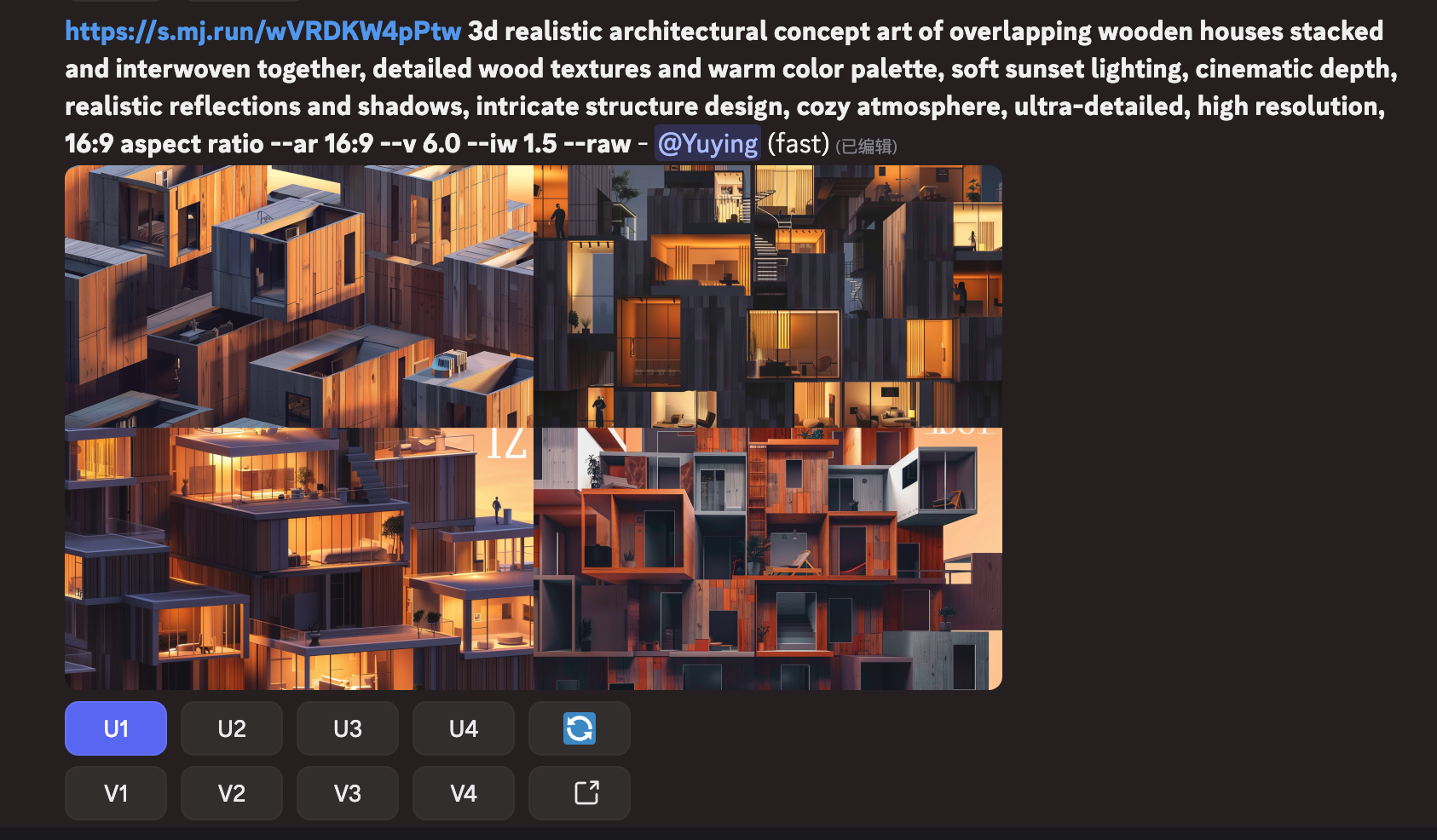
and....Get a good one!
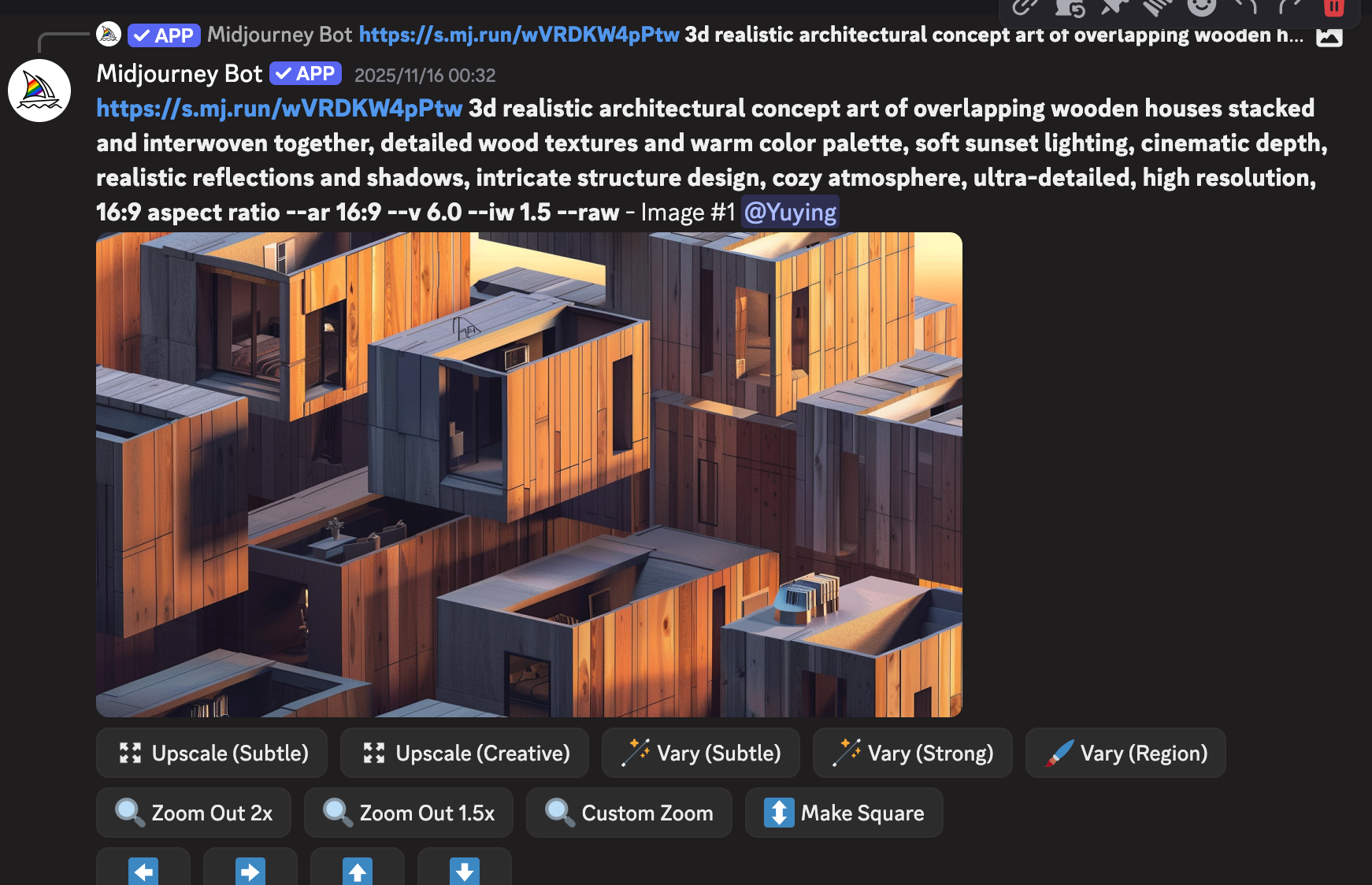
3. Refinement: Used Jimeng (即梦) for granular in-painting.
I manually selected and regenerated specific areas to fix AI hallucinations and perfect the details.
I utilized Jimeng (by ByteDance) for its superior processing of native Chinese prompts.
To maintain high fidelity, I adopted a modular approach: isolating and regenerating each room
individually. This avoided prompt overload and ensured precise control over every detail.
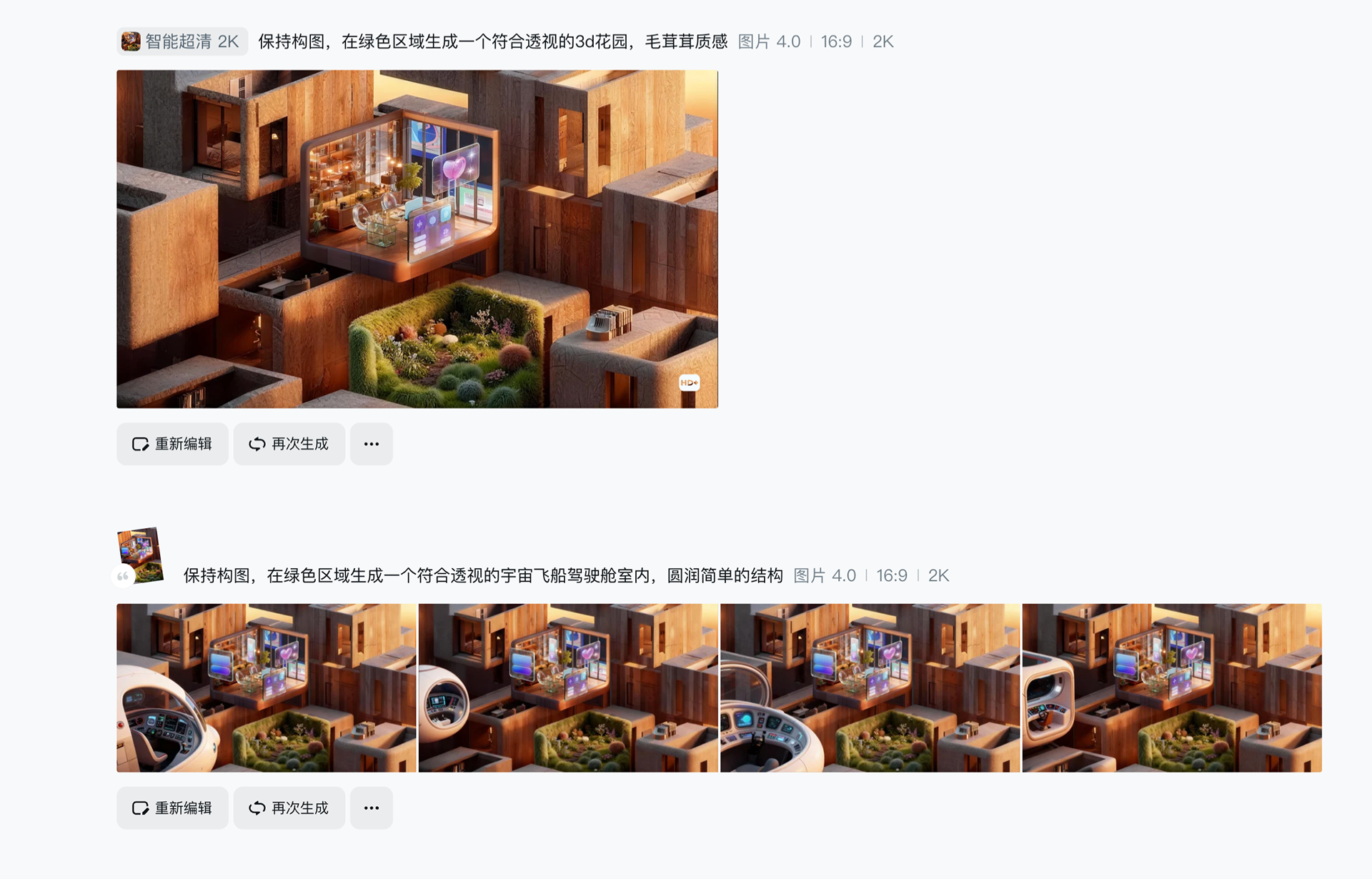
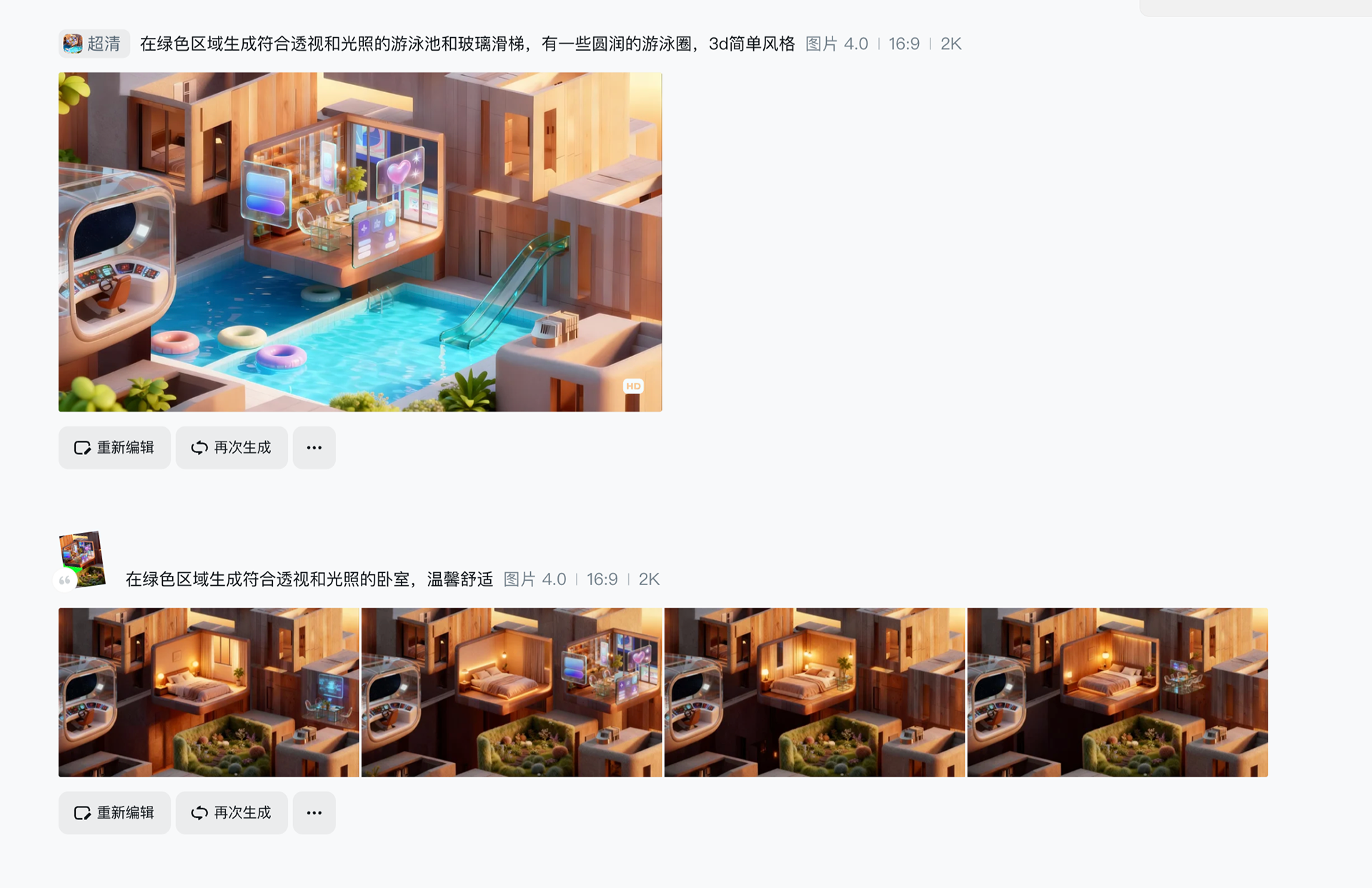
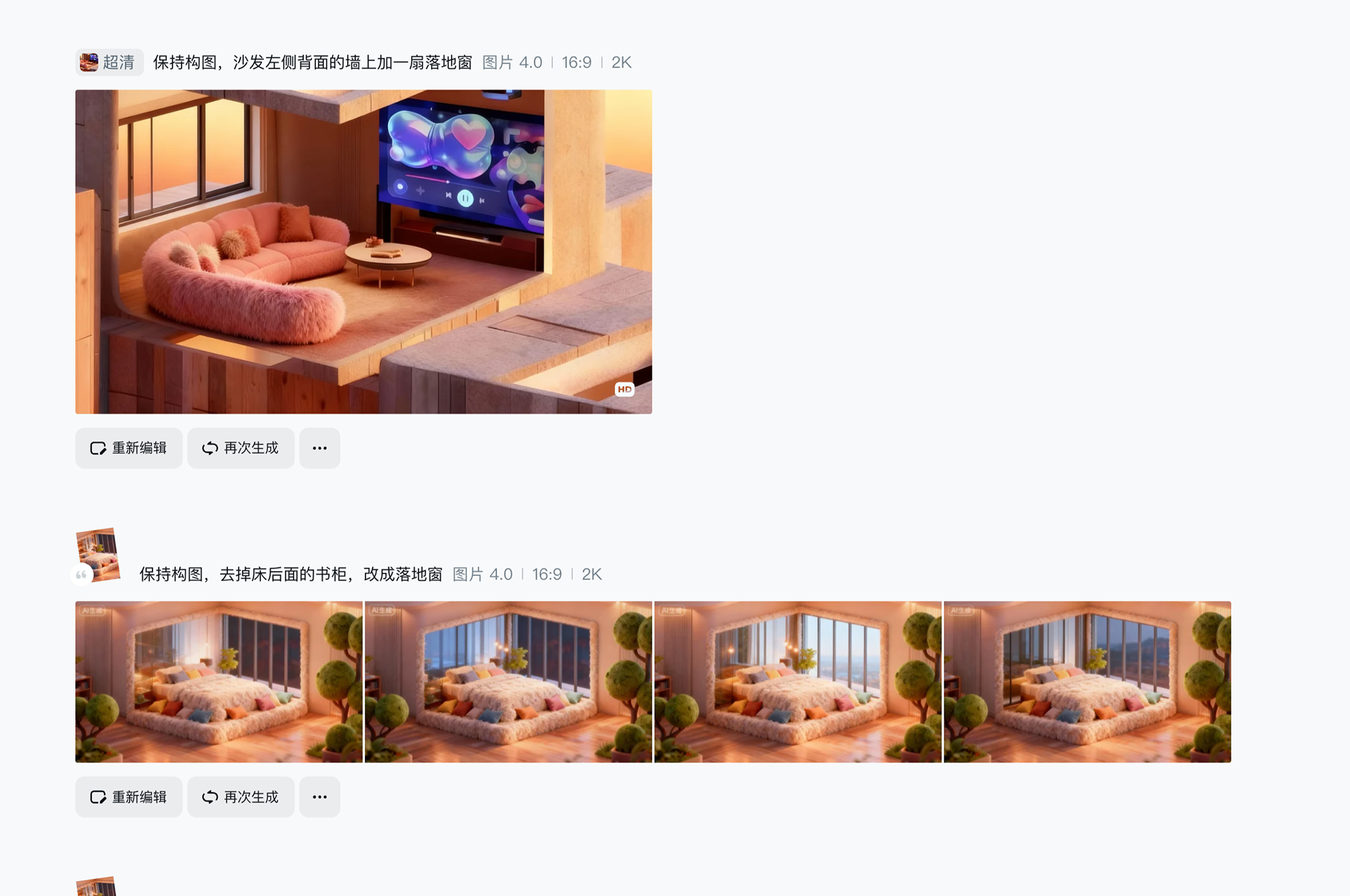
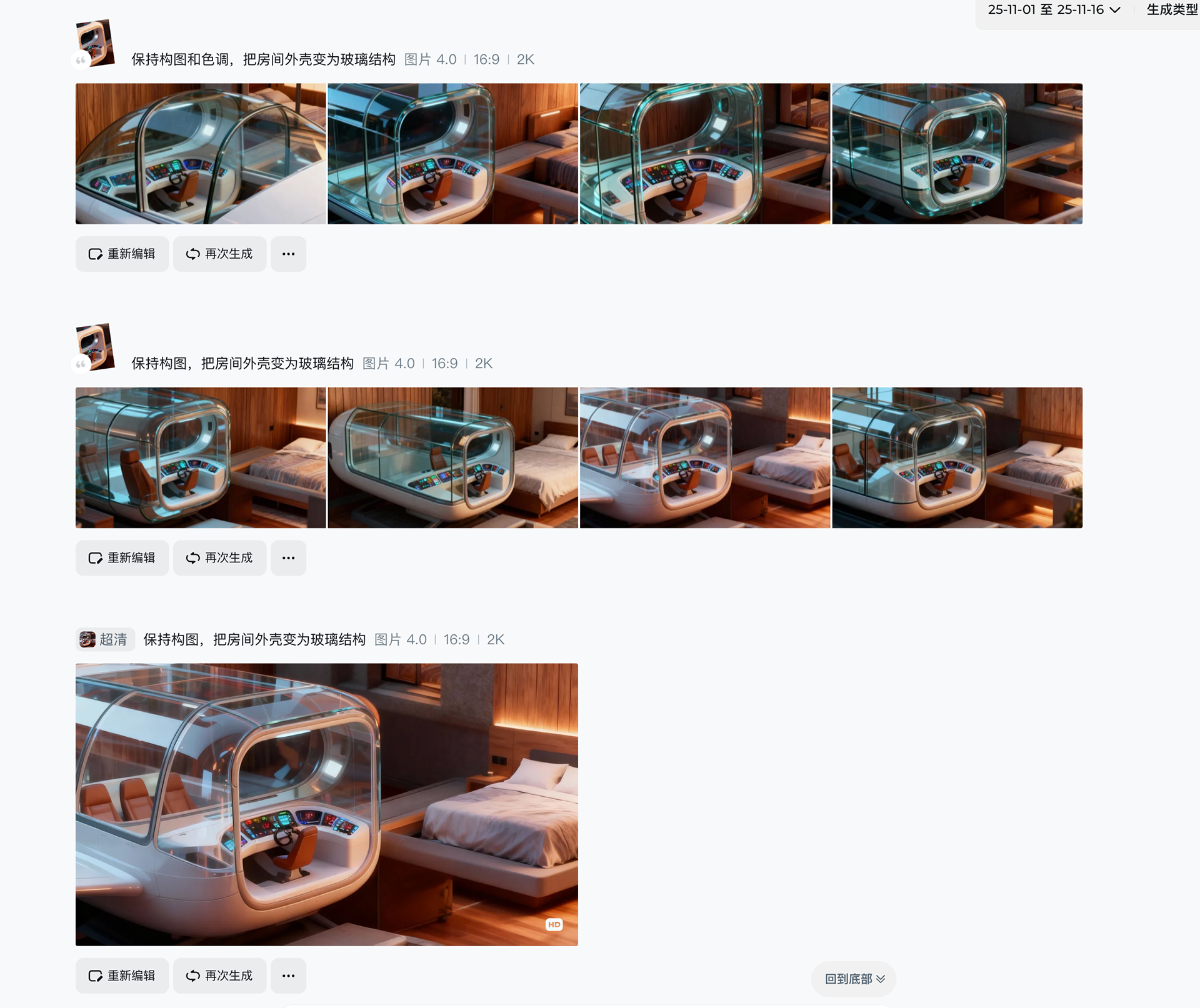
4. Polish: Photoshop for final color grading + adding my own icon designs.
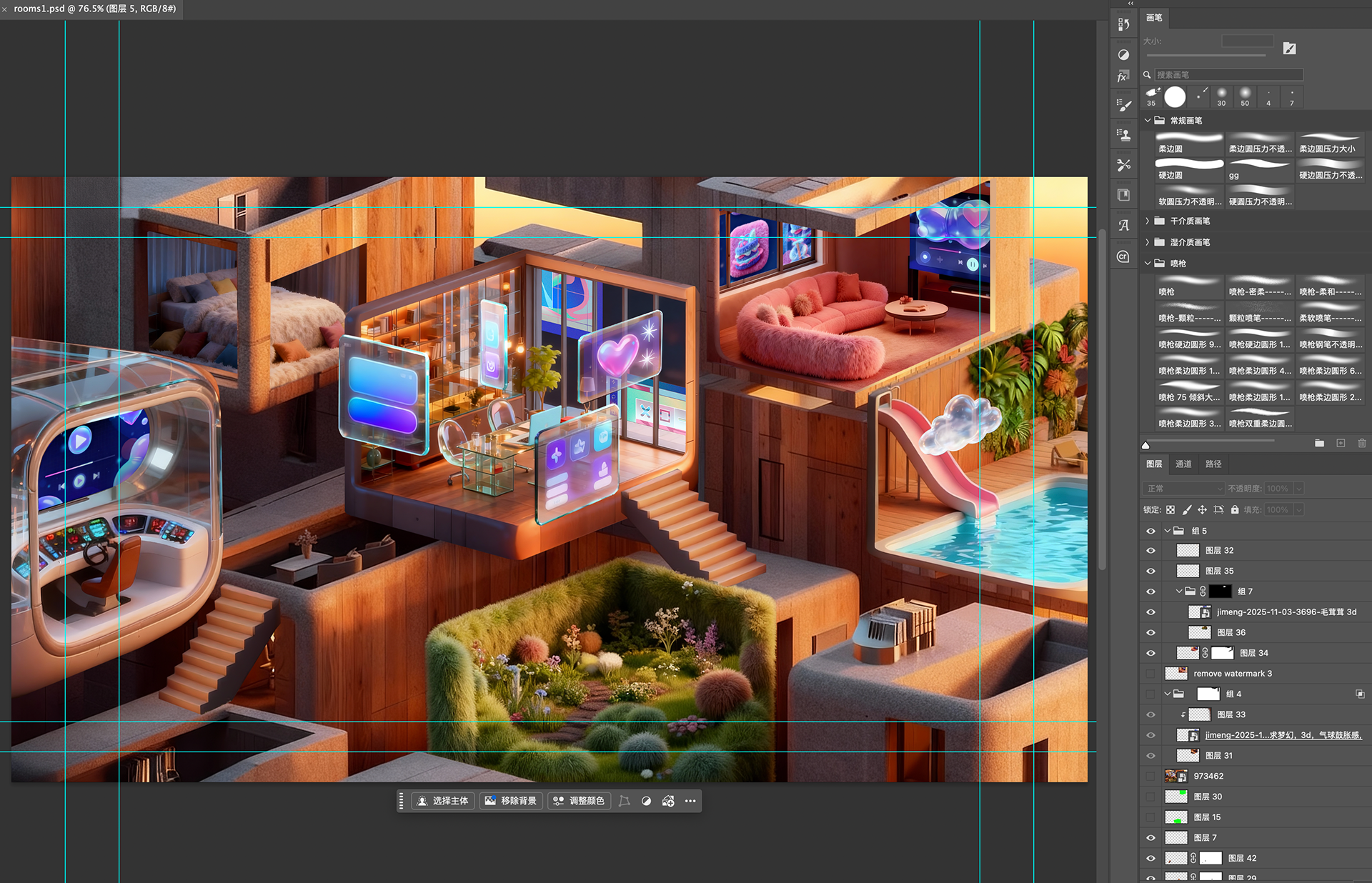
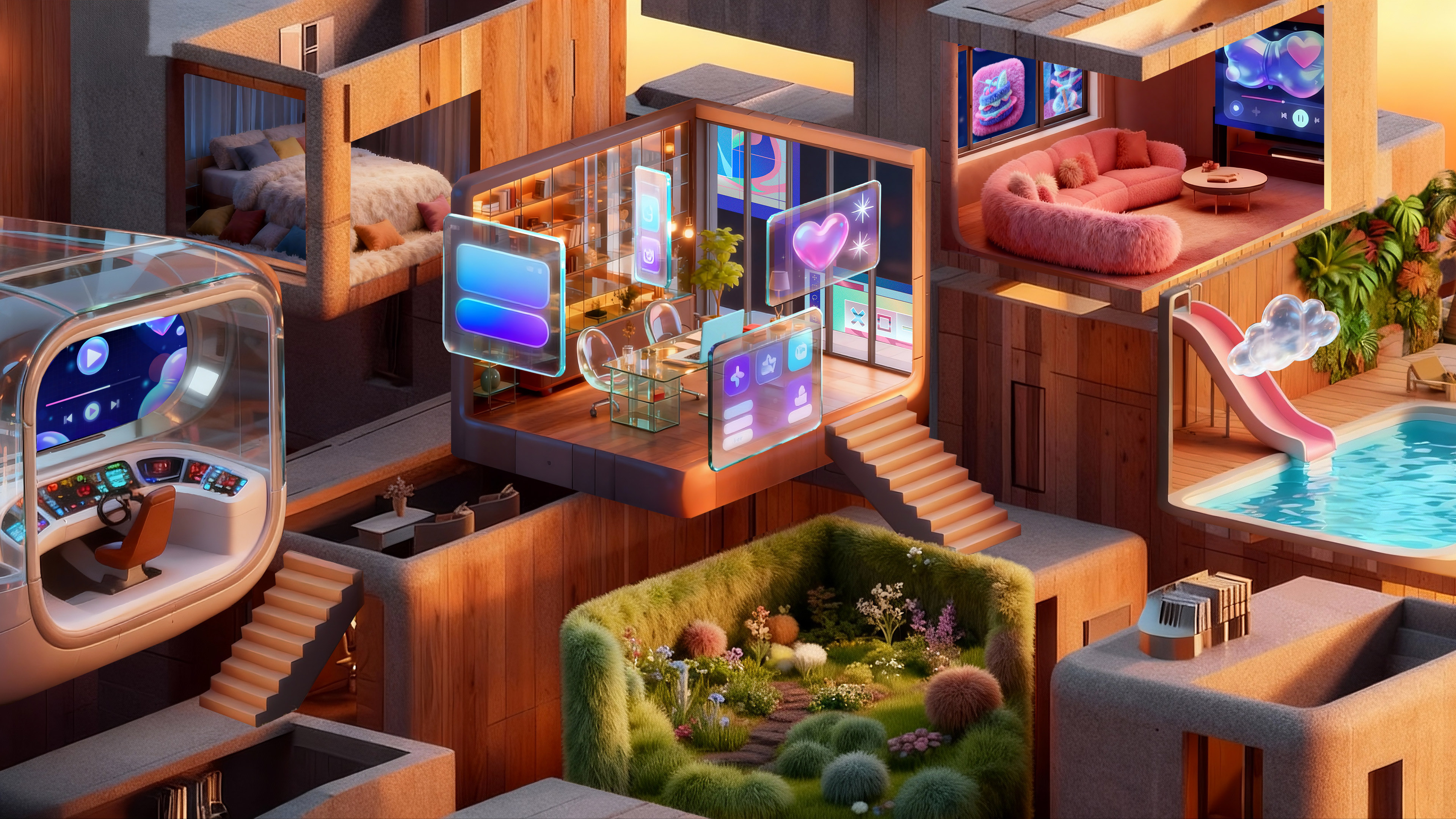
The Result: A high-fidelity 3D visual created purely from scratch in an afternoon.
It’s not just about prompting; it’s about Art Direction.
AI allows us to skip the modeling wait times and focus purely on visual storytelling.
Why AI-Augmented Workflows?
Mastering AI is about securing creative agency in the future of design. Often, the industry views AI as limited to static imagery or obvious stylistic mimicry. However, looking at the rapid evolution of AI video generation, the gap between "generated" and "hand-crafted" is closing fast. As a Motion Designer, I believe that as technology advances, our creative thinking must evolve with it. I am committed to staying at the forefront of this shift—moving beyond simple usage to true integration, ensuring my work remains innovative and resilient in a shifting market.